That deep and throbbing pain starting in your back teeth is usually the harbinger of much more than a simple toothache. Molar teeth, which bear the burden of the oral cavity and serve as the “chewing center,” are structures that are both more resistant to infections due to their multi-rooted structures and complex anatomies, and harder to treat when infected. As Clean Smiley Dental Clinic, we detail the topic of “Molar Abscess”—which instantly lowers the quality of life of our patients and causes sleepless nights—along with anatomical risks and modern rescue protocols.
What Exactly is a Molar Abscess?
A molar abscess is the body’s most severe reaction to a bacterial invasion. When bacteria breach the hard tissues of the tooth and reach the soft tissues, the body builds a defensive wall to contain this area. Dead cells, bacteria, and tissue fluids accumulating in this battlefield form a pus-filled pocket. In molar teeth, this situation appears in two different ways depending on the position of the tooth and the source of the infection, and both require urgent intervention.
Periapical Abscess: Infection at the Root Tip
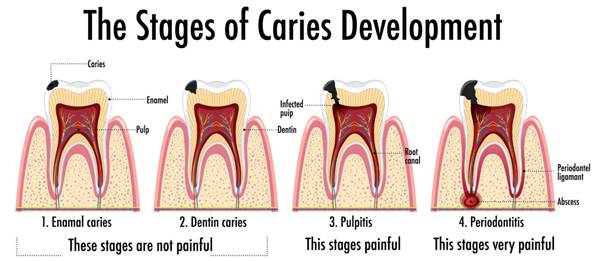
This type is usually the result of a deep, untreated cavity or a crack in the tooth enamel. Bacteria reach the living tissue (pulp) in the center of the tooth, infecting and killing the nerves. The infection progresses along the root canals and settles at the very tip of the tooth root, inside the jawbone. Since molar teeth have multiple roots, the infection can be seen at each root tip individually or as a large combined cyst. This is an insidious process that threatens the tooth’s support within the bone.
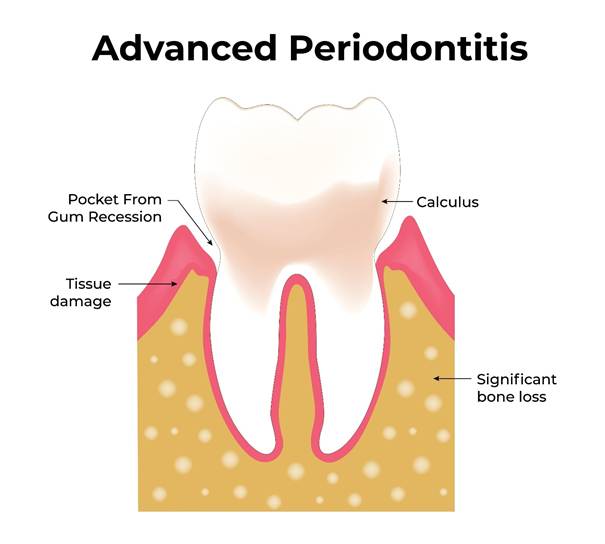
Periodontal Abscess: Infection in the Gum Pocket
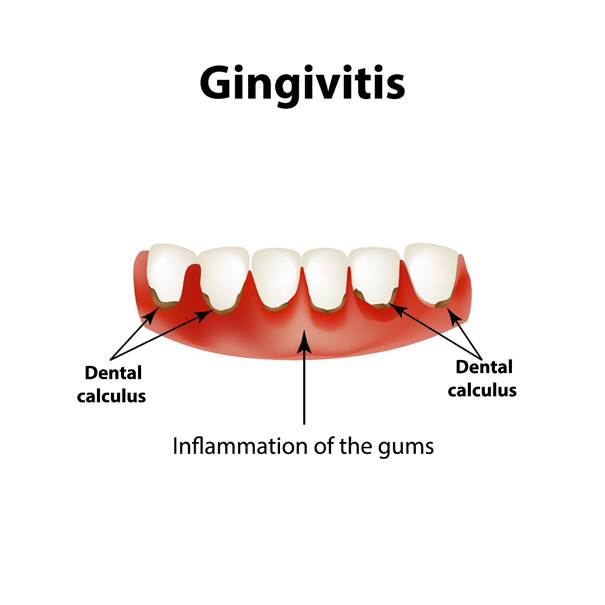
Here, the problem stems not from inside the tooth, but from the outside. In individuals with gum disease, deep pockets form between the tooth and the gum. Food debris and tartar accumulating in the back regions of molars, which are difficult to clean, get trapped in these pockets. When the mouth of the pocket closes for any reason, the bacteria inside multiply rapidly, creating a painful swelling on the side surface of the tooth, at the point where the roots fork (furcation).
Signs You Have an Infected Molar
Your body tells you that something is wrong with your back teeth with very clear signals. These symptoms can start with mild discomfort and rapidly reach an unbearable level.
The “Heartbeat” Pain: Constant Throbbing
The most characteristic symptom of an abscessed molar is that the pain has a rhythmic character. Our patients usually describe this as “My heart is beating inside my tooth.” As the pressure created by the infection increases, every beat in the blood vessels in that area is felt as a severe throbbing at the nerve endings. This pain is usually constant and intensifies when you lie down at night as blood pressure shifts toward the head area.
The Gum Pimple (Parulis)
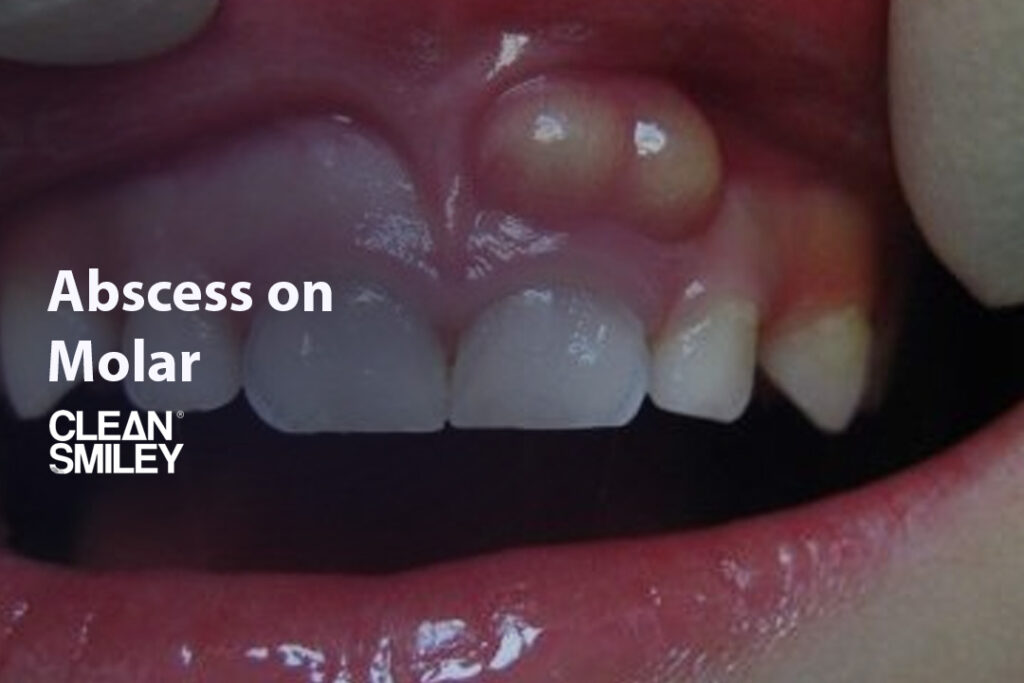
Sometimes you may notice a small, pimple-like bump with a red or yellow tip on your gum. This structure, medically named “Fistula” or “Parulis,” is the pressure inside the bone finding an exit route for itself. When this pimple bursts, a bad-tasting fluid flows into your mouth, and your pain is temporarily relieved because the internal pressure decreases. However, this is not a recovery; it is proof that the infection has become chronic and has perforated the bone to spill out.
Sensitivity to Pressure and Temperature
An infected molar becomes extremely sensitive to temperature changes and touch. When you drink hot soup or touch your teeth together, sharp pain like a lightning bolt can strike your brain. Especially during chewing, pressure on the root of the tooth compresses the inflamed tissue at the root tip, making eating impossible.
Why Molar Abscesses Are Unique (And Risky)
The anatomical location of molar teeth makes abscesses developing here riskier and more complex than in other teeth. While an infection in front teeth usually remains limited, molar abscesses tend to spread to neighboring anatomical spaces.
Upper Molars and the Maxillary Sinus Connection
The roots of the upper jaw molars are very close to the maxillary sinus cavity located behind the cheeks; in some people, the roots even extend into the sinus. Therefore, an abscess in upper molar teeth can easily jump to the sinus membrane, causing severe facial pain, postnasal drip, and headaches that are confused with “Sinusitis.” An untreated tooth abscess can turn into a chronic sinus infection.
Multi-Root Complexity in Lower Molars
Lower jaw molars are located in the area where bone density is highest and usually have a complex structure with two or three roots. These roots can sometimes be curved like hooks. When infection settles between or deep within these roots, cleaning it requires much more expertise and technology than a single-rooted front tooth. Additionally, proximity to the main nerve line passing through the lower jaw can create a risk of numbness in the lip (paresthesia) if the infection spreads.
Third Molar (Wisdom Tooth) Pericoronitis
The rearmost wisdom teeth often cannot fully erupt and remain covered by a gum hood called an “operculum.” Underneath this hood is a perfect shelter for bacteria. An abscess developing here (Pericoronitis) affects not only the tooth but also the chewing muscles, potentially rendering the patient unable to open their mouth (Trismus) and causing the infection to spread toward the throat.
Professional Treatment: How a Dentist Saves a Molar
At Clean Smiley Dental Clinic, our goal is to keep the tooth in the mouth whenever possible. The treatment protocol is determined according to the source and extent of the infection.
Incision and Drainage
The first and most urgent step is to relieve the patient from pain and reduce pressure. If the abscess has caused a distinct swelling in the gum, a small incision is made under sterile conditions to drain the pus. This procedure instantly relieves tension in the tissue and allows antibiotics to reach the area more easily. However, this is only symptomatic relief; the real treatment is drying out the source.
The Molar Root Canal Process
The gold standard for saving the tooth is Root Canal Treatment. In molar teeth, this procedure is performed with great meticulousness under a microscope. The infected nerve tissue and bacteria inside the tooth are completely cleaned, root canals are shaped and disinfected. To prevent the recurrence of infection, the canals are sealed tightly. With a filling or crown placed on top, the tooth returns to its function.
When Extraction is the Only Option
If the infection has melted the bone down to the point where the roots separate, if there is a vertical fracture in the tooth root, or if the tooth is too damaged to be restored, extraction may be inevitable. In this case, to prevent the infection from spreading within the bone, the tooth is extracted, the area is cleaned (curettage), and bone healing is awaited for a future implant.
Immediate Pain Relief & Home Care
There are some safe methods you can apply at home to manage pain during the time until your appointment.
The Saltwater & Baking Soda Rinse
A gargle prepared by adding a teaspoon of salt and half a teaspoon of baking soda to a glass of warm water makes the pH balance inside the mouth alkaline. Bacteria love acidic environments; this mixture slows down their reproduction. Additionally, the osmotic effect of saltwater helps reduce pressure by drawing out edema in the abscess area.
Sleeping Positions to Minimize Throbbing
Keeping your head higher than your body level while sleeping at night is vital. When you lie flat, blood pressure gathers in the head area, which increases the severity of throbbing. Sleeping with double pillows or in a semi-seated position reduces blood flow in the area, providing pain relief.
When to Go to the Emergency Room (Red Flags)
Molar abscesses should not be taken lightly. In some cases, the infection can cross tooth boundaries and create life-threatening danger.
Signs of Systemic Infection (Sepsis)
If your toothache is accompanied by high fever, chills, nausea, vomiting, or confusion, the infection may have entered the bloodstream (Sepsis). This is a serious picture requiring you to go to the emergency room of a fully equipped hospital before the dentist’s chair.
Difficulty Breathing or Swallowing (Ludwig’s Angina)
The most feared complication of lower jaw molar abscesses is “Ludwig’s Angina.” The infection can spread to the floor of the mouth and neck area, compressing the windpipe. If you feel your tongue does not fit in your mouth, if there is a hard swelling in your neck, or if you have difficulty swallowing or breathing, even seconds count; you must seek emergency medical help immediately.
Conclusion: Protecting Your Back Teeth
Back teeth are often neglected because they are “out of sight,” but a molar abscess is a reminder severe enough not to be “out of mind.” These teeth are the cornerstones of our chewing function. As Clean Smiley Dental Clinic, our recommendation is to protect these strong teeth with regular check-ups without waiting for pain. Remember, a molar tooth intervened upon early can continue to serve you for a lifetime.