Dental Implants in Antalya: Everything You Need to Know Before Your Trip
Dental implants in Antalya are one of the most sought-after procedures among international patients traveling to Turkey for dental care. Implants allow you to permanently replace missing teeth, and the cost in Antalya is 3 to 5 times lower than in the United States, the United Kingdom, or Canada , without compromising on quality. But before you book your flights, you need a clear understanding of who implants are for, what types are available, how the surgery works, and what risks to consider.
In this complete guide to dental implants in Antalya, we’ll walk you through every stage — from the initial consultation to the final result. Clean Smiley Turkey, led by Dr. Ertugrul Ozdemir and Dr. Mustafa Dogan Kucuk, places hundreds of implants each year for patients from the US, UK, Canada, Australia, and across Europe.
What Is a Dental Implant and How Does It Work?
A dental implant is a titanium post that is surgically placed into the jawbone where a tooth has been lost. Titanium has a unique property , biocompatibility: the body doesn’t reject it, and the bone tissue gradually fuses with the implant surface. This process is called osseointegration and takes between 2 and 6 months.
Once osseointegration is complete, an abutment (connector piece) is attached to the implant, followed by a crown that replicates a natural tooth in color, shape, and function. The end result is a tooth that looks, feels, and works just like a real one.
Advantages of Implants Over Other Methods
Unlike removable dentures and dental bridges, implants offer several key advantages:
- No damage to adjacent teeth — a bridge requires grinding down neighboring teeth for support, while an implant stands independently
- Prevents bone loss , after losing a tooth, the jawbone begins to resorb; an implant provides the stimulation needed to preserve bone volume
- Longevity — with proper care, implants last 15–25 years, and often a lifetime
- Comfort , no adhesives, no clasps, none of the inconveniences associated with removable dentures
- Natural appearance — a crown on an implant is indistinguishable from a natural tooth
Who Is a Good Candidate for Dental Implants?
Dental implants in Antalya are recommended in the following cases:
- Loss of one or more teeth due to trauma, decay, or gum disease
- Complete tooth loss (edentulism) , in this case, All-on-4 or All-on-6 protocols are used
- Inability or unwillingness to wear a removable denture
- Tooth destruction below the gum line, making crown restoration impossible
- Congenitally missing teeth
- Need for a fixed bridge supported by implants
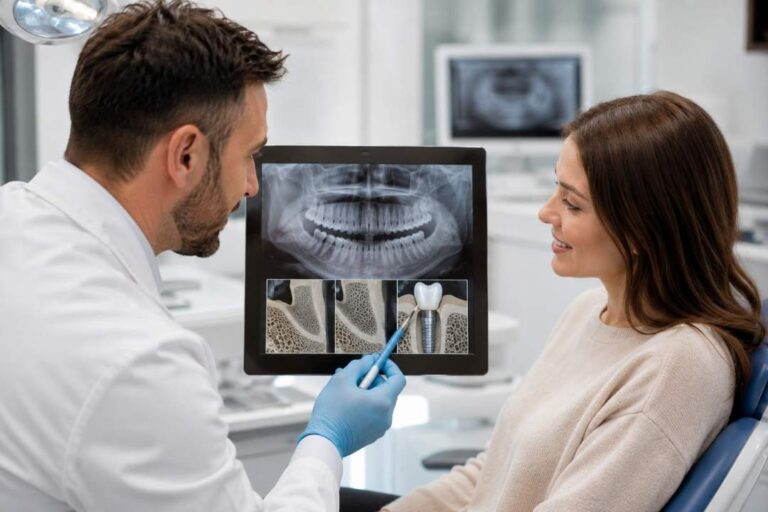
Important: The final decision on whether you’re suitable for implants is made by the dentist after reviewing a 3D scan (CBCT) and assessing your bone volume. At Clean Smiley Turkey, panoramic X-rays and CBCT scans are included in the cost of the initial consultation.
Contraindications for Dental Implants
Not every patient is a candidate for implants. There are absolute and relative contraindications.
Absolute Contraindications
- Uncontrolled diabetes (unstable blood sugar levels)
- Severe blood disorders (clotting abnormalities)
- Active cancer, especially following radiation therapy in the jaw area
- Severe psychiatric conditions
- Certain autoimmune diseases
Relative Contraindications (Temporary)
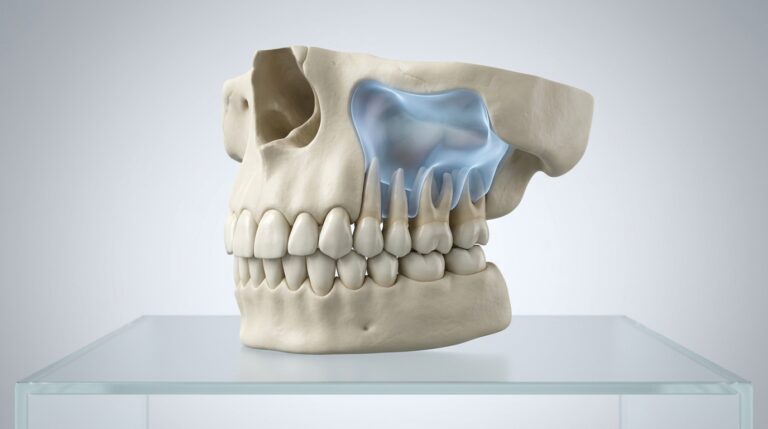
- Insufficient bone volume — resolved with bone grafting (sinus lift, augmentation)
- Smoking , increases the risk of implant failure but is not an absolute barrier; quitting at least 2 weeks before surgery is recommended
- Active gum disease — periodontal treatment must be completed before implant placement
- Pregnancy and breastfeeding
- Bisphosphonate use , requires individual assessment
- Bruxism (teeth grinding) — not a contraindication, but a night guard will be needed
Types of Dental Implants
The modern market offers dozens of implant brands. At Clean Smiley Turkey, we use only proven premium and mid-range systems with high success rates.
| Implant Brand | Country of Origin | Tier | Success Rate | Price in Antalya (per unit) |
|---|---|---|---|---|
| Straumann | Switzerland | Premium | 98.8% | with costs assessed individually |
| Nobel Biocare | Sweden/USA | Premium | 98.5% | with costs assessed individually |
| Osstem | South Korea | Mid-range | 97.8% | with costs assessed individually |
| Medentika | Germany | Mid-range | 97.5% | with costs assessed individually |
| Hiossen | USA/South Korea | Mid-range | 97.6% | with costs assessed individually |
The choice of brand depends on your clinical situation, tooth location, and budget. Dr. Ertugrul Ozdemir will recommend the best option for your specific case and explain the differences between systems in detail.
Types of Implants by Design
Beyond brands, implants also vary by structural design:
- Root-form (endosseous) — the most common type, mimicking a tooth root; placed directly into the bone
- Mini implants , smaller diameter (1.8–3.3 mm); used to stabilize removable dentures or in cases of limited bone volume
- Zygomatic (Zygoma) — elongated implants anchored in the cheekbone; used for severe upper jaw bone loss without the need for bone grafting
- Basal implants , placed in deeper bone layers; used in complex cases where conventional implant placement isn’t possible
The Implant Process: Step by Step
The dental implant process in Antalya can be divided into several key stages. In most cases, two visits to the clinic are required, separated by 3–6 months.
Stage 1: Diagnostics and Planning (Day 1)
During your first appointment:
- Complete oral examination
- Panoramic X-ray and/or CBCT (3D imaging)
- Assessment of bone volume and density
- Creation of a personalized treatment plan
- Discussion of implant brand, timeline, and cost
At Clean Smiley Turkey, you can receive a preliminary treatment plan before your trip — simply send a panoramic X-ray via WhatsApp.
Stage 2: Surgical Implant Placement (Day 2–3)
The surgery is performed under local anesthesia. Sedation (conscious sedation) is available upon request or when placing multiple implants. The surgical steps include:
- Anesthesia , numbing the treatment area
- Incision — opening the gum to access the bone (flap technique) or a small punch (flapless technique)
- Preparation of the implant site , precision drilling creates a channel in the bone matching the implant dimensions
- Implant placement — the titanium post is threaded into the prepared site
- Healing cap or gum former , placed depending on the protocol
- Suturing — closing the gum with stitches (flap technique)
A single implant placement takes 15–30 minutes. Multiple implants on one jaw take 1–2 hours.
Stage 3: Osseointegration (2–6 Months)
After placement, the healing process — osseointegration , begins. During this period, bone tissue gradually grows around the implant surface, securing it firmly. The timeline depends on several factors:
| Factor | Effect on Osseointegration Time |
|---|---|
| Location (upper/lower jaw) | Upper — 4–6 months, lower , 2–4 months |
| Bone quality | Dense bone — faster; soft bone , longer |
| Bone grafting | If performed — adds 2–3 months |
| Smoking | Slows the process, increases complication risk |
| Overall health | Chronic conditions may slow healing |
During osseointegration, you return home. The Clean Smiley Turkey team stays in touch and monitors healing remotely , you can send photos and X-rays via WhatsApp.
Stage 4: Abutment and Crown Placement (Second Visit)
Once the implant has fully integrated, you return to Antalya for 5–7 days. During this visit:
- Follow-up scan — confirming successful osseointegration
- Gum former placement (if not placed earlier) , shaping the soft tissue contour
- Impressions — for fabricating your custom crown
- Crown fitting and placement , the crown is secured onto the abutment
Crowns are made from zirconia or pressed E-max ceramic in the clinic’s own dental lab. Fabrication time: 3–5 business days.
Immediate Loading: Can You Get a Tooth in One Visit?
In some cases, immediate loading is possible — a temporary crown placed on the same day as surgery. This is known as immediate implant placement. It’s suitable when:
- Bone volume and density are sufficient for primary implant stability
- The implant is placed in the aesthetic zone (front teeth)
- There’s no infection at the extraction site
However, the temporary crown serves an aesthetic function and should not bear full chewing force. The permanent crown is placed after osseointegration is complete.
Recovery After Implant Surgery: Day by Day
Proper aftercare is the key to successful implant healing. Here’s what to expect:
Days 1–3: Acute Post-Operative Period
- Moderate swelling and discomfort , this is normal
- Slight bleeding in the first few hours
- Pain medication as prescribed (typically ibuprofen)
- Cold compress on the cheek (15 minutes on, 15 minutes off)
- Soft foods: yogurt, soup, mashed potatoes
- Avoid hot food and drinks
Days 4–7: Symptoms Subside
- Swelling begins to decrease
- Pain significantly reduces
- Transition to semi-soft foods
- Gentle brushing with a soft toothbrush (avoid the surgical area)
- Antiseptic rinse as prescribed
Days 7–14: Soft Tissue Healing
- Suture removal (if non-dissolvable sutures were used)
- Return to a normal diet (avoid hard foods on the implant side)
- Moderate physical activity can resume
Months 1–6: Osseointegration
- Normal daily life
- Thorough oral hygiene
- No smoking (recommended)
- Follow-up X-ray at 3 months (can be done with your local dentist)
Risks and Potential Complications
Dental implant placement is a surgical procedure, and like any surgery, it carries certain risks. However, with proper planning and execution by an experienced surgeon, complications are rare.
Early Complications (First Weeks)
- Swelling and bruising , a normal body response, resolves in 5–10 days
- Infection — extremely rare when sterility protocols and antibiotics are followed
- Nerve damage , possible with lower jaw implants; presents as numbness in the lip or chin; virtually eliminated with proper CBCT-guided planning
- Sinus perforation — with upper jaw implants; prevented by sinus lifting when necessary
Late Complications
- Implant failure , occurs in 1–3% of cases; can be caused by infection, overloading, smoking, or systemic disease
- Peri-implantitis — inflammation of the tissues around the implant, most commonly due to poor oral hygiene
- Abutment or crown fracture , extremely rare; related to excessive force or bruxism
The numbers: According to international studies, implant success rates are 95–98% at 10 years. At Clean Smiley Turkey, this figure reaches 98.2% thanks to 3D planning, surgical guides, and premium materials.
Implant Success Factors
Several factors that influence implant success are within your control:
| Factor | Impact on Success | Recommendation |
|---|---|---|
| Smoking | Reduces success by 5–10% | Quit at least 2 weeks before and 2 months after surgery |
| Oral hygiene | Critically important | Brush twice daily + water flosser |
| Diabetes management | Uncontrolled = high risk | HbA1c below 7% before surgery |
| Surgeon experience | Key factor | Choose a clinic with a proven track record |
| Implant quality | Premium brands = higher success | Straumann, Nobel — 98.5%+ |
Dental Implant Costs in Antalya
One of the biggest advantages of dental implants in Antalya is the affordable pricing while maintaining world-class quality. The implant price at Clean Smiley Turkey includes:
- Implant of your chosen brand
- Abutment
- Surgical placement
- Anesthesia
- Follow-up X-rays
- Post-operative medication
The crown is paid separately and placed during the second visit.
| Procedure | Price in Antalya (USD) | Price in the US (USD) | Price in the UK (GBP/USD) |
|---|---|---|---|
| Osstem implant + placement | determined individually | determined individually | determined individually |
| Straumann implant + placement | determined individually | determined individually | determined individually |
| Zirconia crown on implant | determined individually | determined individually | determined individually |
| Sinus lift (open) | determined individually | determined individually | determined individually |
| Bone grafting | determined individually | determined individually | determined individually |
Caring for Your Implants: How to Maximize Their Lifespan
While an implant itself can’t get cavities, the tissues around it need careful maintenance. Peri-implantitis , inflammation around the implant — is the leading cause of long-term implant loss.
Daily Care
- Brush twice a day with a soft or medium toothbrush
- Use dental floss or interdental brushes around the implant
- A water flosser is essential for cleaning hard-to-reach areas around implants
- Alcohol-free antibacterial mouthwash
Professional Care
- Professional cleaning at your dentist every 6 months
- Annual follow-up X-ray
- Check the gum condition around the implant
- If you have bruxism , wear a night guard
Tip from Dr. Mustafa Dogan Kucuk: “Invest in a water flosser — it’s the single best thing you can do for your implants’ longevity. Flossing and irrigating around the implant reduces the risk of peri-implantitis by 60%.”
Why Choose Clean Smiley Turkey for Dental Implants
Choosing a clinic for implant treatment is a significant decision. Here’s what sets Clean Smiley Turkey apart:
- Experienced team: Dr. Ertugrul Ozdemir and Dr. Mustafa Dogan Kucuk have performed over 5,000 successful implant procedures
- 3D planning: every implant is planned using digital technology for maximum precision
- In-house lab: crowns are fabricated on-site, reducing turnaround time and ensuring quality control
- Transparent pricing: you’ll know the exact cost before treatment begins, with no hidden fees
- Warranty: 5 to 10 years depending on the implant brand
- English-speaking support: a dedicated coordinator guides you through every step
- Transfers and accommodation: complimentary airport transfers and hotel booking assistance
Frequently Asked Questions
Does getting an implant hurt?
No , the procedure is performed under local anesthesia, so you won’t feel pain. After surgery, mild discomfort is normal and easily managed with over-the-counter painkillers like ibuprofen. Most patients say the procedure was easier than they expected.
How long does the entire implant process take?
The full process takes 3 to 8 months: the first visit (3–5 days) for implant placement, then 2–6 months for healing, and a second visit (5–7 days) for crown placement. With immediate loading, a temporary crown is placed on the same day as surgery.
Can I get an implant if the tooth was extracted a long time ago?
Yes, but if a tooth has been missing for a long time, bone grafting may be needed since the bone gradually resorbs without stimulation. Dr. Ertugrul Ozdemir will assess your bone volume via CBCT and recommend the best solution — sinus lift, augmentation, or zygomatic implants.
Which implant is better , Straumann or Osstem?
Both brands have excellent success rates (97–99%). Straumann is a premium brand with a longer research history and wider product range. Osstem is a reliable Korean brand with outstanding value for money. For the front teeth, we recommend Straumann; for molars, Osstem is an excellent choice.
Are there age restrictions for dental implants?
Implants are not recommended before age 18, while jaw growth is still ongoing. There is no upper age limit — implants are successfully placed in patients aged 70+ with good overall health.
What happens if an implant fails?
Failure occurs in 1–3% of cases. The implant is removed (a simpler procedure than placement), the bone heals for 2–3 months, and a new implant is placed. Clean Smiley Turkey provides a warranty , repeat placement in case of failure is free of charge.
Can I fly right after getting dental implants?
Yes — flying is safe 24 hours after implant placement. If a sinus lift was performed, we recommend waiting 48–72 hours. During the flight, avoid hot drinks and take pain medication if needed.
How many implants can be placed in one visit?
Technically, up to 10–12 implants in a single session. However, for a large number of implants, it may be recommended to treat one jaw at a time. For complete tooth loss, the optimal solution is All-on-4 or All-on-6 (4–6 implants per jaw).
Will the implant need to be replaced at some point?
The titanium implant itself is designed for lifelong use. The crown may need replacement after 10–15 years due to normal wear, but the implant , with proper care — lasts a lifetime.
You May Also Like
- E-max Veneers in Antalya: Step-by-Step Guide
- All-on-4 in Antalya: From First Visit to New Smile
- Gum Treatment in Antalya: Periodontics, Recession & Recovery
- How Many Days Do You Need in Antalya for Dental Treatment?
Book Your Free Consultation
Considering dental implants in Antalya? Send a panoramic X-ray via WhatsApp, and the Clean Smiley Turkey team will prepare a preliminary treatment plan with an exact cost breakdown within 24 hours. The consultation is free and comes with zero obligation.
Message Us on WhatsApp | cleansmileyturkey.com