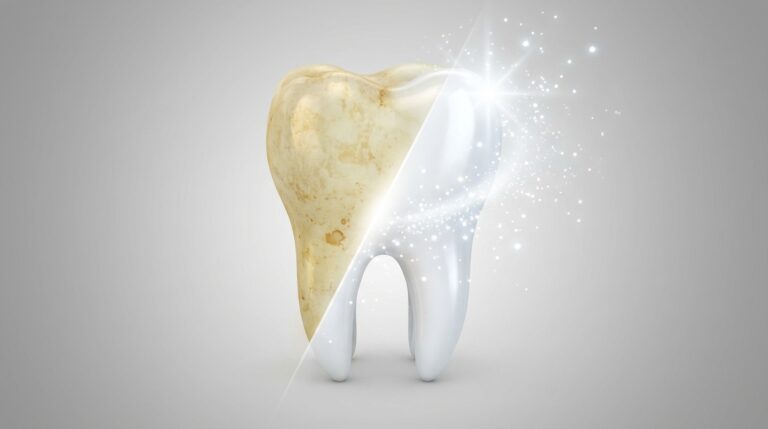
Dental scaling — the deep cleaning procedure where built-up tartar and plaque are removed from above and below the gum line — is one of the most quietly common dental treatments in the world. Almost every patient who has ever had a thorough check-up has had some version of it. And yet the reviews online swing wildly. “It was nothing.” “It was the worst hour of my life.” “I bled for a day.” “I felt instantly cleaner.” Both extremes are real, and the difference between them is usually the starting condition rather than the procedure itself.
What follows is what patients in our chair at Clean Smiley Turkey tell us once the appointment is over and the gum tissue has settled. No marketing tone — just patterns from real follow-up conversations. If you have an appointment booked, or you have been told you need scaling for the first time, this is meant to give you a clearer picture than the forum reviews will.
The single biggest factor in scaling reviews
Almost every “I felt nothing” review and almost every “it was awful” review can be explained by the same variable: how long it had been since the last cleaning, and how much tartar had built up below the gum line.
A patient who comes in for a routine six-month cleaning experiences a quiet, slightly noisy, mostly comfortable session. The instruments do their work without much drama. A patient who has not had a professional cleaning in five years and has visible tartar at the gum line has a different appointment. The procedure is longer, the gum tissue is more inflamed at the start, and the experience reads as more intense.
Most “scaling was awful” reviews online are the second category. Most “scaling was easy” reviews are the first. The procedure itself is similar — the starting condition determines the experience.
What dental scaling actually does
Scaling is the mechanical removal of hardened deposits (tartar or calculus) and soft plaque from the tooth surfaces, including the parts of the tooth that sit just below the gum line. Two main types of tools are used: hand instruments (small curved scalers) and ultrasonic scalers that use high-frequency vibration with a water spray.
In healthy patients with mild build-up, scaling is a single appointment. In patients with periodontal disease or significant tartar, scaling may be combined with root planing — a deeper cleaning of the root surfaces below the gum line — and spread across two or more visits, often with local anaesthesia.
The goal is to remove what brushing and flossing cannot reach. Tartar at the gum line acts like a daily irritant to the gum tissue and a scaffold for more bacteria. Removing it allows the gum to settle back down and stop the slow drift into periodontal disease.
What patients describe during the procedure
The most common sensations reported in our follow-up conversations:
- A high-pitched sound from the ultrasonic scaler. Patients describe it as a small whirring or buzzing. Not painful, but unfamiliar at first.
- Water spray during cleaning. The ultrasonic tool sprays water, which is suctioned away in the same motion. Some patients describe an “underwater” feeling for parts of the appointment.
- Mild scraping sensation with hand instruments. Most often felt as a small tugging at the gum line rather than a sharp pain.
- Brief sharp moments at specific tartar deposits. When a stubborn piece of tartar comes free, there can be a quick “ping” feeling. These pass instantly.
- Some bleeding at the gum line. Especially in patients with gum inflammation at the start of the appointment. This is normal during the procedure and settles within hours.
For routine patients without significant gum inflammation, scaling takes 30 to 60 minutes and rarely needs anaesthesia. For deeper cleaning sessions involving root planing, local anaesthesia is offered and the experience is closer to “numb pressure with some sound” rather than any distinct sensation.
The post-procedure window patients actually describe
Most patients tell us at the next-day phone check-in some version of “my teeth feel different — smoother.” That smoothness is the gum line without its tartar coating, the first time in months or years for some patients. It is one of the most consistent observations in our feedback.
Less consistent but worth knowing about:
- Temporary sensitivity to cold and hot for the first 24-72 hours. The tooth surfaces that were under tartar are now exposed to temperature and air. Sensitivity toothpaste used for a week usually settles this.
- Mild gum tenderness for a day or two. Especially after deep cleaning. Settles on its own with gentle hygiene.
- Spaces that feel “bigger” between teeth. Not because the teeth moved — because the tartar that filled the small gaps is gone. This is reassuring rather than a problem.
- Slight gum recession appearing visible. If recession was already present, it was hidden under tartar. After scaling it is visible — but this was always the underlying state, not a new effect.
The patients who tell us their experience was “surprisingly easy” are mostly the ones who had been keeping up with home care. The patients who describe the recovery as harder than expected are usually the ones returning for cleaning after a long gap.
Bleeding and gum tenderness: when to be concerned
Some bleeding during scaling is expected — particularly in gums that have been inflamed for a while. The bleeding stops on its own within hours. The signs that suggest something needs to be checked rather than left:
- Heavy bleeding that does not slow down 4-6 hours after the appointment.
- Sharp pain that increases day by day instead of settling.
- Pus or a bad taste from a specific tooth area, suggesting an infection rather than normal post-cleaning inflammation.
- Significant gum swelling 2-3 days after the appointment.
None of these are typical. The vast majority of patients describe the post-scaling period as “tender, then fine” within 48 to 72 hours.
Honest patient feedback at the next visit
At the follow-up visit, the most common feedback we hear:
“I should have come back sooner.” This is the most consistent. Patients who waited years between cleanings almost universally tell us they wish they had not. The longer the gap, the more uncomfortable the catch-up session.
“My breath is better.” Bacteria living in tartar at the gum line produce smells. Removing the tartar removes the source. Patients with chronic mild bad breath often describe a clear improvement after a thorough cleaning.
“I am brushing differently now.” Many patients tell us they noticed during the cleaning where they were missing — usually the inside surfaces of the lower front teeth and the back of the upper molars. The cleaning serves as a small lesson in technique.
“My gum colour looks healthier.” Inflamed gums look dark red and puffy. Healthy gums look pink and firm. The visible difference at the two-week post-scaling appointment is one of the most rewarding parts of the conversation.
How often do patients say they need scaling?
The general recommendation is once every six to twelve months for healthy adults. Patients with a history of periodontal disease usually benefit from three-to-four-month intervals. Patients with implants or extensive restorative work follow customised schedules that sit somewhere between these.
The honest reality from our follow-ups is that most patients fall behind the recommended interval, then catch up with a heavier session. The smoother long-term experience comes from staying on the routine schedule, even when the teeth feel fine. Tartar starts building again within weeks of cleaning. By six months there is enough to be worth removing professionally.
What international patients in Antalya tell us about scaling
For many international patients, scaling is part of a wider treatment plan — often the first appointment before veneers, implants or a full smile makeover. The reviews from this group share a few patterns.
The first is timing. A pre-treatment scaling appointment changes the rest of the plan. Inflamed gums affect impression accuracy, shade matching and surgical healing. Patients who arrived with significant tartar and had it removed at the start describe the rest of the trip as smoother than expected.
The second is the role of scaling in maintenance after a Hollywood Smile or implant case. International patients usually return to Antalya for major work and arrange routine scaling closer to home. Knowing this from the start helps the long-term care plan.
The third is the climate. Patients who had scaling early in their trip and then spent days walking gently in Antalya reported faster gum settling than they had expected — partly the mild weather, partly the lack of stress during the trip.
What patients wish they had been told before scaling
“I wish I had known how normal mild bleeding is during the appointment.” Bleeding is one of the most worrying-looking parts of scaling for first-time patients. Understanding that it settles within hours removes most of the worry.
“I wish I had stayed off cold drinks for the first 24 hours.” Temporary sensitivity catches patients off guard. A simple adjustment for one or two days makes the recovery comfortable.
“I wish I had been told sensitivity toothpaste would help.” Used for a week after scaling, especially in patients who had heavier cleaning, sensitivity toothpaste reduces the cold/hot reaction noticeably.
“I wish I had not skipped my cleanings for so long.” The single most common retrospective comment.
How we plan scaling in our clinic
Our approach starts with an oral exam to assess gum health, tartar levels, and any underlying periodontal status. For routine cleaning, the appointment is a single session of 30-60 minutes. For deeper cleaning involving root planing, the plan splits into two or more visits, sometimes with local anaesthesia, and is paired with a written home-care plan. After cleaning, we walk through what was found, what was removed, and what the next interval should look like for your specific gum health.
For patients with severe gum recession or active periodontal disease, scaling is the first step of a wider treatment plan that may include further periodontal care. Our overview of gum disease stages covers when scaling is enough on its own and when it is part of a longer plan.
If you have been told you need a deep cleaning and want a second opinion on the plan, or if you are weighing pre-treatment scaling before a larger smile plan, you can reach us through the contact form or WhatsApp. We will look at the case and walk through realistic options before any appointment is booked.
Frequently asked questions about dental scaling reviews
Is dental scaling painful?
For most patients with routine maintenance, scaling is uncomfortable rather than painful — high-pitched sound, mild scraping at the gum line, occasional brief sharper moments at stubborn tartar. Patients with significant tartar build-up or active gum inflammation often have local anaesthesia offered, which makes the experience numb pressure rather than pain.
How long does dental scaling take?
A routine scaling session is 30 to 60 minutes for one visit. Deeper cleaning combined with root planing is often spread across two or more visits, sometimes split by quadrant, and each visit runs 45 to 90 minutes depending on the amount of work needed.
Why are my teeth sensitive after scaling?
Tooth surfaces that were covered by tartar are now exposed to temperature and air, which can cause temporary cold and hot sensitivity for 24-72 hours. Using a sensitivity toothpaste for a week after the appointment usually settles this.
Is bleeding after scaling normal?
Mild bleeding during the procedure is common, especially in gums that were inflamed at the start. It stops on its own within hours. Heavy bleeding that does not slow down after 4-6 hours, sharp pain that increases day by day, or pus from a specific area should be checked rather than left.
How often should I have dental scaling?
Once every six to twelve months for healthy adults. Patients with periodontal disease history benefit from three-to-four-month intervals. Patients with implants or extensive restorative work follow a customised schedule. The interval is decided based on gum health and risk factors, not a fixed rule.
Can I have dental scaling before veneers or implants?
Yes — and it is often recommended. A pre-treatment scaling appointment removes inflammation that would otherwise affect impression accuracy, shade matching and surgical healing. International patients often have scaling as the first appointment of a wider treatment plan in Antalya.