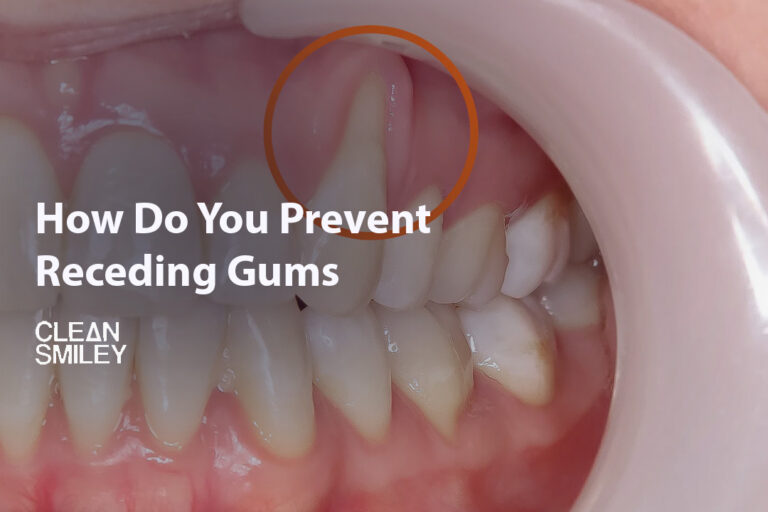
That small spot of blood you see in the sink while brushing in the morning, or the ache you feel while flossing, are “emergency” signals sent by your body. Known medically as Gingivitis, gum inflammation is the quietest yet most common enemy of oral health. Because it often progresses without pain, it is frequently neglected by patients; however, this silence is akin to the calm before the storm. As Clean Smiley Dental Clinic, we explain everything you need to know, backed by scientific treatment protocols, to regain your gum health and reverse this process before permanent damage occurs.
Is Gingivitis Reversible? Understanding the Window of Opportunity
This is the question our patients ask most frequently, and the answer is the most promising one: “Is there a way back?” The answer is a resounding yes. Gingivitis is the earliest and mildest stage of gum disease. At this stage, the infection has not yet damaged the bone tissue and ligaments surrounding the teeth. This represents a critical “window of opportunity” for you.
If the correct intervention is made at this stage, the gums can return to 100% of their former health—that tight and pink appearance. However, if these warnings are ignored, the condition evolves into an irreversible process called “Periodontitis,” which results in bone loss. In short, taking action now means saving your teeth.
Professional Gingivitis Treatments: The Clinical Gold Standard
While home care is of vital importance, it is physically impossible for you to brush away plaque that has turned into tartar (calculus). This is where professional clinical interventions come into play.
Professional Scaling
Known as tartar cleaning, “Scaling” is the first and most important step of the treatment. Bacterial plaque, which hardens into stone with minerals from your saliva, settles below the gumline and creates a source of infection that a toothbrush cannot reach. Our physicians use ultrasonic devices and special hand tools to vibrate these hardened layers off the tooth surface. This procedure does not harm the tooth enamel; on the contrary, it allows the gums to breathe and dries out the source of the infection.
Root Planing
If the inflammation has descended into the depths of the gum pocket, surface cleaning alone is not enough. In the procedure we call “Root Planing,” the surfaces of the tooth roots are smoothed. Rough surfaces provide a perfect ground for bacteria to cling to; by making these surfaces smooth as glass, we make it difficult for bacteria to recolonize. Additionally, this process ensures that the gum tissues attach tightly back onto the cleaned root surface.
Antimicrobial Rinses
Following mechanical cleaning, it is necessary to chemically reduce the bacterial load in the mouth. Your dentist may generally recommend prescription mouthwashes containing chlorhexidine. These rinses are much stronger than the mouthwashes found on market shelves and accelerate the healing process by breaking down the cell walls of bacteria. However, since long-term use of these products can cause staining on teeth, they must be used under physician supervision and only for the specified duration.
The Ultimate At-Home Protocol for Gum Recovery
Clinical treatment is 50% of the work; the remaining 50% depends on your discipline at home. To start the healing process, you need to replace your ordinary habits with a professional protocol.
The Modified Bass Brushing Technique
Brushing teeth is not just about scrubbing them. The gold standard in gum treatment is the “Modified Bass Technique.” In this method, the brush is placed at a 45-degree angle to the line where the tooth meets the gum. The tips of the bristles should gently enter the gum pocket. Then, without lifting the brush, you need to sweep the plaque away from that area using small vibrating motions. While hard horizontal movements further traumatize the gums, these gentle vibrations initiate healing.
Interdental Cleaning: Floss vs. Water Flossers
A toothbrush can reach only 60% of the tooth surfaces in the mouth. The remaining 40%—the spaces between teeth—is where gingivitis begins. Classic dental floss is mechanically the most effective method for cleaning tight contact points between teeth. However, for those who struggle with floss, or for those with implants or bridges, “Water Flossers” are an excellent alternative. Spraying a mixture of pressurized water and air, these devices massage and clean food particles and plaque from gum pockets. Whichever you choose, interdental cleaning once a day is not optional; it is mandatory.
Therapeutic Ingredients to Look For
The content of the toothpaste you use should support the treatment. Pastes containing “Stannous Fluoride” have a superior ability to prevent plaque formation by disrupting the metabolism of bacteria. Additionally, formulas containing triclosan or zinc citrate help reduce gum inflammation. Instead of products focused solely on “whitening,” turning to therapeutic products focused on “gum care” is more beneficial during this process.
The Healing Timeline: What to Expect in 14 Days
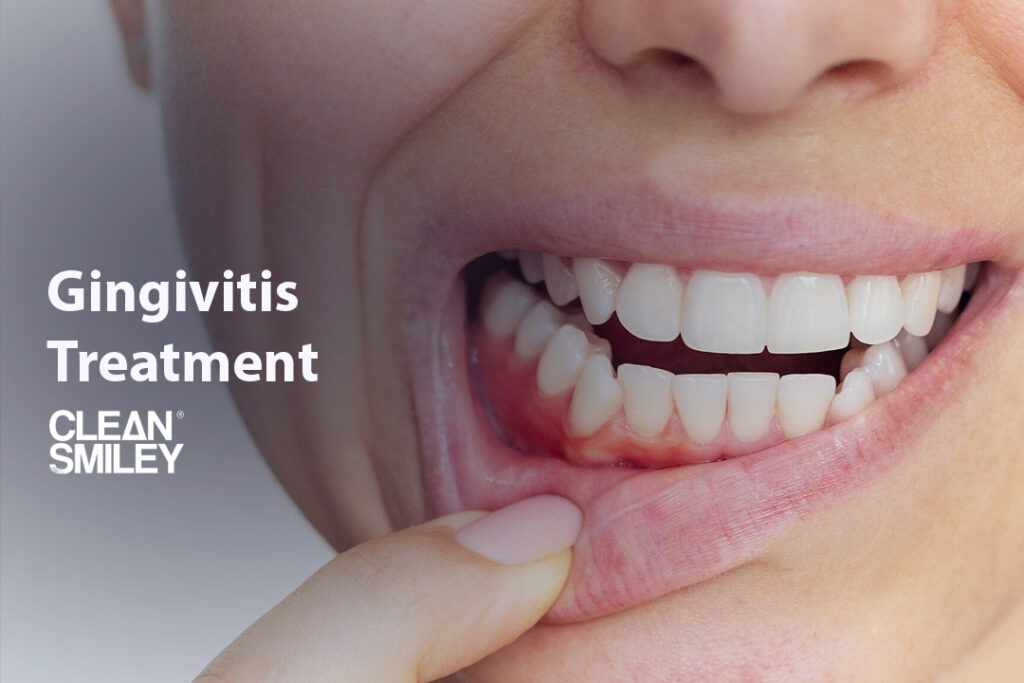
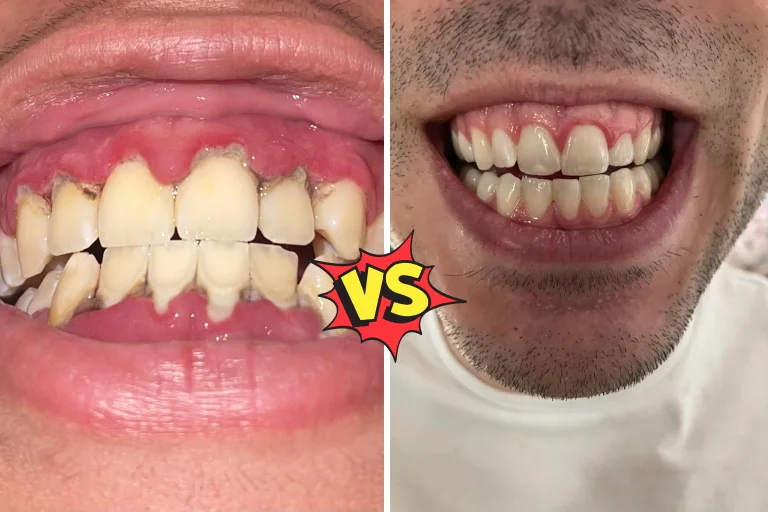
Knowing how your body will react when you start treatment increases your motivation. Do not be alarmed if bleeding continues during brushing and flossing for the first 3-4 days; this is the process of the body expelling the infection. Around the 7th day, you will notice that the edematous and swollen look of the gums goes down and redness begins to decrease. If you apply the protocol completely, by the end of the 14th day, your gums will return to that healthy, pale pink color, bleeding will stop completely, and the gums will tightly embrace the teeth.
Natural Remedies: Scientific Fact vs. Internet Myth
Not every herbal remedy circulating on the internet is safe for gums. As Clean Smiley, we recommend only supportive methods with a scientific basis.
Saltwater Rinses for Acute Inflammation
Saltwater rinsing is the simplest solution used for centuries and has scientific validity. Saltwater creates a “hypertonic” environment, drawing excess fluid out of the edematous gum tissue via osmosis and reducing swelling. It also has mild antiseptic properties. A rinse made by adding half a teaspoon of salt to a glass of warm water relieves your gums during periods of acute flare-ups.
Oil Pulling and Herbal Gels
The process of “Oil Pulling” with coconut oil or sesame oil may help reduce plaque formation, but it can never replace mechanical brushing and scaling. Likewise, gels containing aloe vera or turmeric can support tissue healing with their anti-inflammatory effects. You should view these methods not as the main treatment, but as a “support force” assisting your treatment.
Lifestyle Factors That Accelerate Healing
Oral health is not independent of general body health. Your healing speed is directly related to your lifestyle.
Vitamin C and Gum Tissue Integrity
The main building block of gums is collagen. Vitamin C is the fundamental fuel for collagen production in the body. Vitamin C deficiency causes weakening of gum ligaments and susceptibility to bleeding. Consuming foods rich in Vitamin C, such as citrus fruits, kiwi, strawberries, or peppers during the treatment process maximizes the gum tissue’s capacity to repair itself.
Smoking Cessation and Blood Flow
Smoking is the biggest obstacle to gingivitis treatment. Nicotine reduces blood flow to the gums by constricting the vessels (vasoconstriction). This situation creates two dangers: First, because there is no bleeding, the patient thinks their gums are healthy; second, the oxygen and defense cells required for healing cannot reach the tissue. Quitting smoking, or at least reducing it during the treatment process, multiplies the chance of success.
Conclusion: Transitioning from Treatment to Prevention
Gingivitis treatment is not a destination, but a new beginning. Returning to old habits after your gums have healed causes the infection to recur. Our goal is not just to treat the disease, but to equip you with a protection shield so you never need these treatments again.
Healthy, pink, and non-bleeding gums are the foundation of not only a beautiful smile but also a healthy body. A check-up session with our expert physicians at Clean Smiley Dental Clinic can be the first step in solidifying this foundation.