How Do You Prevent Receding Gums? This is a critical question for anyone looking to maintain a healthy smile, as gum recession is often a gradual process that can lead to significant tooth sensitivity and structural damage if left unchecked. While genetics and age play a role, the most effective defense relies on a combination of gentle brushing techniques, consistent oral hygiene, and regular professional cleanings. By understanding the triggers you can take proactive steps to halt the retreat of your gum line and preserve the foundation of your teeth for years to come.
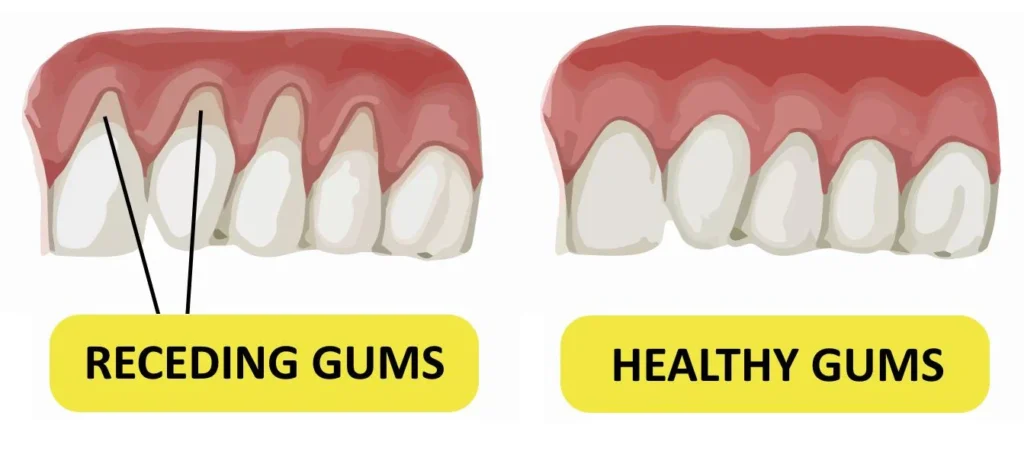
Why Gums Recede: The Mechanics of Tissue Loss
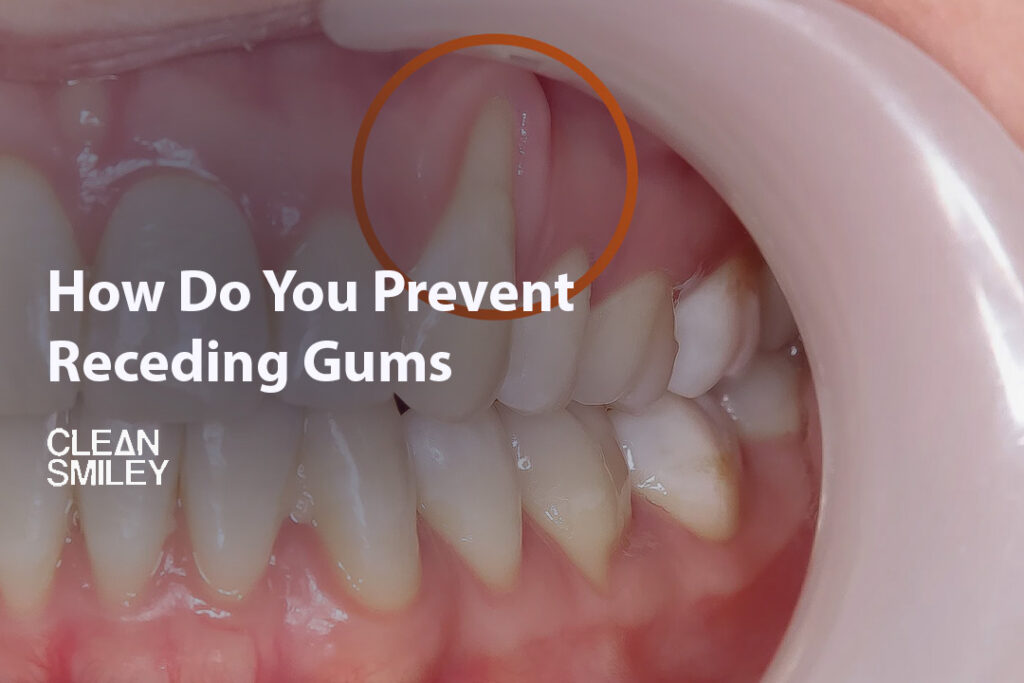
Gum recession begins with damage to the thin connective tissue fibers that attach the gum to the tooth. This damage can be mechanical, bacterial, or structural in origin. Once gum tissue has receded, it does not grow back on its own; therefore, prevention is far more critical than treatment. According to the American Academy of Periodontology), approximately half of adults experience some level of gum disease.
Aggressive Brushing: The #1 Avoidable Cause
If you think the harder you brush your teeth the cleaner they will be, unfortunately you are doing the exact opposite. Applying excessive pressure with hard-bristled brushes physically wears down gum tissue and causes it to recede over time. This condition is called “traumatic gum recession.” Hard-bristled toothbrushes in particular can cause serious damage in people with thin gum tissue. The solution is simple: choose a soft-bristled brush and keep the pressure to a minimum.
Periodontal Disease: The Silent Infection
Gum disease is one of the most common causes of gum recession. Bacterial colonies formed as a result of plaque buildup first cause gum inflammation, and if left untreated, progress into periodontitis. Periodontitis can lead to gum recession and even tooth loss by destroying the gum and underlying bone. Regular professional dental cleaning is one of the most effective ways to prevent this process. To maintain your gum health and for early diagnosis, you can explore our professional dental treatments.
The “Gentle-First” Brushing Revolution
Modern dentistry has completely moved away from the “harder = cleaner” mentality. The accepted approach today is gentle but effective brushing techniques. This revolution encompasses both the tools used and the technique.
Switching to AI-Pressure Sensor Toothbrushes
New generation electric toothbrushes warn you when you brush too hard thanks to built-in pressure sensors. Some models use AI-powered mapping to ensure you clean every area of your mouth evenly. Oral-B and Philips Sonicare are among the brands that have popularized this technology. Switching to a pressure-sensor toothbrush is an important step in preventing gum recession, especially for those with a hard brushing habit.
The 45-Degree Technique (Stillman/Bass Method)
The Bass technique involves placing the toothbrush at a 45-degree angle to the gum line and brushing with short vibrating motions. This method allows the bristles to enter the gum pocket and effectively remove plaque.
The Stillman technique, on the other hand, recommends making a sweeping motion from the gum toward the tooth at a similar angle. The key point in both methods is to never make a horizontal back-and-forth sawing motion. These techniques are also critically important for ensuring the longevity of aesthetic treatments such as Hollywood Smile.
Beyond Brushing: Addressing Under-the-Radar Risks
Although brushing habits and gum disease are the best-known causes, there are many “hidden” risk factors that can lead to gum recession.
Teeth Grinding (Bruxism) and “Abfraction”
Teeth clenching and grinding (bruxism) usually occurs unconsciously during sleep at night. This excessive force accelerates gum recession by causing notches called “abfraction” in the cervical area of teeth. Stress, sleep apnea, and malocclusion are the main triggers of bruxism. Using a night guard (splint) can significantly reduce this damage. Dental Crowns and similar restorative treatments can protect teeth damaged by bruxism.
The Role of Misalignment (Crowding)
Crooked or misaligned teeth make it difficult to reach certain areas during brushing and cause disproportionate force to be applied to specific teeth. Gum recession is more frequently observed in outwardly positioned teeth due to their thin bone structure. Orthodontic treatment can eliminate this risk by bringing teeth into proper alignment. Emax Veneers or Composite Bonding can provide both aesthetic and functional improvements.
Oral Piercings and Friction Trauma
Tongue or lip piercings cause chronic trauma by constantly rubbing against the gum tissue. The gums on the inner surface of the lower front teeth are the area most affected by tongue piercings. Research shows that the rate of gum recession is significantly higher in individuals with tongue piercings. If you do not want to remove your piercing, it is recommended that you at least opt for models with plastic balls.
Nourishing Your Gums
Gum health is directly related not only to mechanical care but also to nutrition. Nutrients that nourish your gums support tissue regeneration and reduce inflammation.
Vitamin C and Collagen Synthesis
Vitamin C is a fundamental building block of collagen synthesis, and gum tissue is largely composed of collagen. Vitamin C deficiency can lead to bleeding, swelling, and recession of the gums; historically, this condition is known as “scurvy.” It is recommended that you consume at least 75-90 mg of vitamin C daily. Citrus fruits, red peppers, strawberries, and broccoli are excellent sources. National Institutes of Health provides comprehensive information on this topic.
Oral Probiotics for Microbiome Balance
The oral microbiome consists of hundreds of different bacterial species, and disruption of this balance paves the way for gum disease. Oral probiotics, particularly strains such as Lactobacillus reuteri and Streptococcus salivarius, can help suppress harmful bacteria and reduce gum inflammation. Probiotic lozenges or special mouth rinses can be used for this purpose. A healthy oral microbiome also contributes to maintaining the results of cosmetic procedures such as Teeth Whitening.
Professional Preventive Treatments
No matter how good home care is, professional intervention is indispensable in preventing gum recession. Regular dental checkups make it possible to detect and address problems at an early stage.
Scaling and Root Planing (Deep Cleaning)
Scaling and root planing cleans the plaque and tartar accumulated in gum pockets, allowing the gum to reattach to the tooth. This procedure is one of the most effective treatment methods in the early and moderate stages of periodontal disease. It is usually performed under local anesthesia and may require multiple sessions. Dental Implants or All on 4, it is of great importance not to neglect this basic care before needing advanced treatments.
Desensitizing Varnishes and Sealants
When gum recession begins, the exposed tooth roots cause extreme sensitivity. Desensitizing varnishes (fluoride varnishes, calcium phosphate-containing products) and dental sealants protect the exposed root surfaces, reducing both sensitivity and the risk of decay. These applications can be performed by your dentist during regular checkups. For a comprehensive evaluation, you can request a free quote to learn about your treatment options.
Conclusion: Consistency Over Intensity
Preventing gum recession is not about one big move but about the consistency of small daily habits. Gentle brushing with a soft brush, regular flossing, balanced nutrition, and professional dental cleaning at least twice a year — these simple but consistent steps can keep your gums healthy for years. Remember: in gum health, it is consistency, not intensity, that wins.
For professional support regarding your gum health and smile aesthetics, contact Clean Smiley Turkey and meet our expert team in Antalya.