Root canal treatment is a procedure that many patients fear the most, yet it has become extremely routine and painless in modern dentistry. When you decide to undergo treatment, one of the first questions that comes to mind is probably “how long will it take?” The answer varies depending on the type of tooth being treated, the severity of the infection, and the technology used.
The Quick Answer: Average Timeframes
The duration of root canal treatment is directly related to the tooth’s position in the mouth and the number of root canals. As the tooth is positioned further back, the number of roots increases and the procedure becomes more complex. You can find the general framework below.
Front Teeth (Incisors & Canines): 45–60 Minutes
Front teeth (incisors and canines) typically have a single root canal, which makes the treatment quite quick and straightforward. Since the dentist can easily access the root canal, the cleaning and shaping process takes a short time. It is completed in a single session within 45 to 60 minutes. To preserve the aesthetic appearance after root canal treatment on front teeth, restorative options such as Emax Veneers or Composite Bonding can be considered.
Premolars: 60 Minutes
Premolars typically have one or two root canals. In two-canal premolars, the procedure takes slightly longer because each canal must be cleaned and shaped separately. The average treatment duration is approximately 60 minutes, but this may be extended if the canal anatomy is complex.
Molars: 90 Minutes to 2 Hours
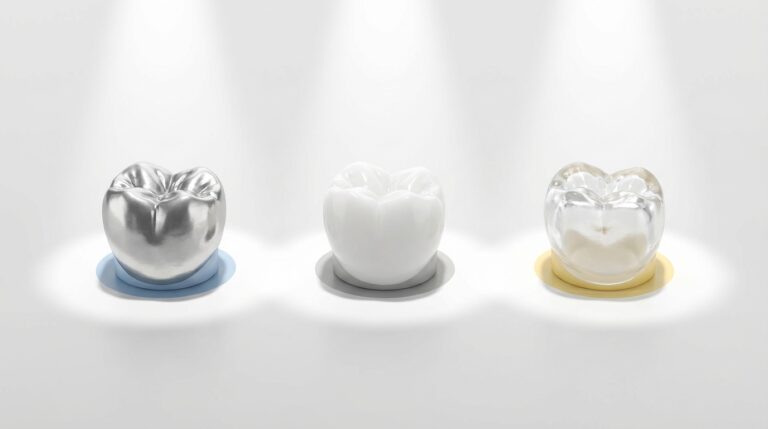
Molars are the tooth group where root canal treatment takes the longest. Upper molars typically have three root canals, while lower molars can have two to four. In some cases, additional canals or curved root structures make the treatment even more complex. Molar root canal treatment takes an average of 90 minutes to 2 hours and may sometimes require two sessions. To strengthen molar teeth after treatment, Dental Crowns are frequently recommended.

Step-by-Step Breakdown of Your Appointment
The total duration of root canal treatment consists of four interconnected main phases. Knowing how long each phase takes will help you better estimate the time you will spend in the chair.
Phase 1: Numbing & Isolation (15 Minutes)
In the first phase, the dentist applies local anesthesia to the tooth being treated and the surrounding tissues. A few minutes are allowed for the anesthesia to take full effect. Then, a latex or silicone barrier called a “rubber dam” is placed to isolate the treated tooth from the oral environment. This isolation prevents bacteria from contaminating the treatment area and keeps saliva from affecting the working field. This phase takes approximately 15 minutes.
Phase 2: Access & Canal Mapping (20 Minutes)
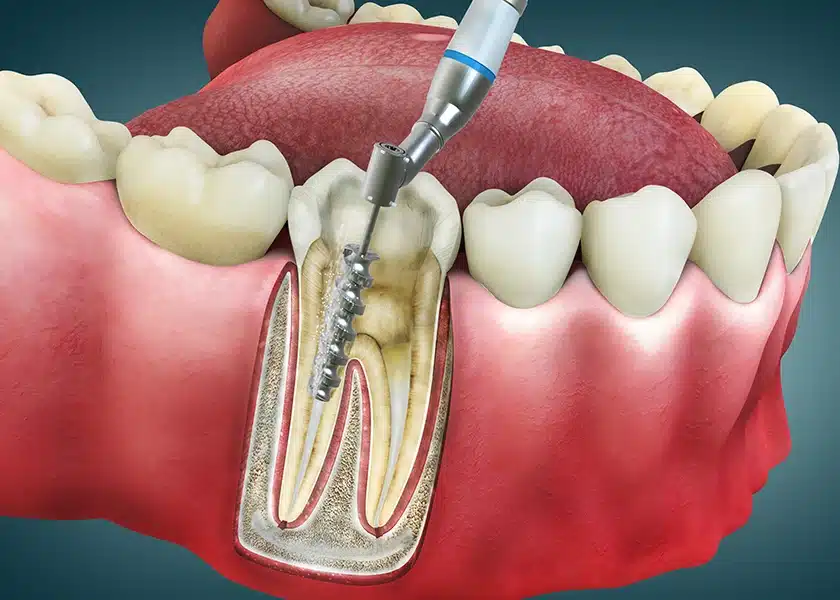
The dentist creates a small opening through the top of the tooth (crown) to access the root canals. Then, using special instruments and electronic apex locator devices, the number, length, and shape of the canals are mapped. In modern clinics, digital X-rays or CBCT (Cone Beam Computed Tomography) imaging is used to create a three-dimensional map of the canals. This phase takes approximately 20 minutes.
Phase 3: Cleaning & Shaping (30–60 Minutes)
This is the longest and most critical phase of the treatment. The dentist carefully cleans and shapes each root canal using thin nickel-titanium files. Infected pulp tissue, bacteria, and debris are removed. At the same time, the canal walls are smoothed to ensure the filling material fits properly. Between each canal, irrigation solutions such as sodium hypochlorite or EDTA are used for flushing. This phase varies between 30 to 60 minutes depending on the number of roots and canal anatomy.
Phase 4: Sealing & Temporary Filling (15 Minutes)
Once the canals are completely cleaned and shaped, they are filled with a biocompatible rubber material called “gutta-percha” and the canal openings are sealed with a special sealant. A temporary filling is placed on top. A separate appointment is scheduled for the permanent restoration (usually a crown). This final phase takes approximately 15 minutes. To learn about permanent restoration options, you can visit our treatments page.
Why Your Root Canal Might Need Two Visits
In some cases, root canal treatment cannot be completed in a single session. This does not mean the treatment has failed; on the contrary, it is an indication of a careful and controlled approach.
Managing Severe Abscesses & Persistent Drainage
In cases of severe abscess, there may be an intense accumulation of infection around the tooth root. During the first session, the dentist cleans the canals and covers the tooth with a temporary dressing to allow the infection to drain. Antibacterial medications such as calcium hydroxide are placed inside the canals, and the infection is expected to come under control. For more detailed information about dental abscess treatment, you can check out our Abscess on Molar article.
The Benefit of “Cooling Down” the Infection
The two-session approach allows the body’s natural healing process time for the infection to be completely cleared. Generally, one to three weeks are waited between the first and second sessions. During this period, the antibacterial dressing continues to work inside the canals and the infection load is significantly reduced. American Association of Endodontists data indicates that two-session treatment increases the success rate, especially in cases of necrotic pulp and periapical lesions.
What’s Speeding Up the Procedure?
Technological advances have radically improved the duration and comfort of root canal treatment in recent years.
AI-Enhanced CBCT 3D Imaging
AI-enhanced CBCT imaging maps the tooth’s root canal structure in three dimensions with millimetric precision. Additional canals, curved roots, and calcified areas that may be missed on conventional two-dimensional X-rays are clearly visualized with this technology. As a result, the dentist has a complete roadmap before starting treatment, and the likelihood of encountering surprises is minimized. Consequently, both treatment time is shortened and the success rate increases.
Laser-Assisted Disinfection (Waterlase)
Laser-assisted disinfection, particularly Er:YAG and Er,Cr:YSGG lasers, destroys bacteria inside the canals far more effectively than traditional irrigation. Waterlase systems combine laser energy with water molecules to provide both tissue vaporization and disinfection. This technology accelerates the cleaning phase and reduces the need for additional irrigation. To learn about the advanced technology equipment used at Clean Smiley Turkey’s partner clinics, you can visit our contact page.
Factors That Could Make Your Appointment Longer
There are several factors that can extend the duration of root canal treatment. Calcified (narrowed) canals significantly increase cleaning time by making it difficult for files to advance. Retreatment of a previously failed root canal requires additional time as the old filling material must be removed.
Anatomical variations of the tooth require attention and time beyond the standard treatment protocol. Additionally, if anesthesia is insufficient, additional numbing may be needed, which extends the total duration. Limited mouth opening or the patient’s intense anxiety are also among the factors that can slow down the treatment.
In all these situations, working with an experienced endodontist both optimizes the duration and increases the treatment success. To receive treatment from specialist teams at affordable costs in Turkey, you can request a free quote.
Conclusion: Efficiency Meets Precision
Root canal treatment is a procedure that takes between 45 minutes and 2 hours depending on the type of your tooth, and is becoming increasingly faster and more comfortable with modern technologies. The goal of the treatment is not to be fast, but to be accurate — however, thanks to today’s digital imaging, laser disinfection, and advanced file systems, efficiency and precision can now be delivered together.
Saving your tooth is always better than losing it. With proper care, your tooth supported by a strong crown after root canal treatment can function for a lifetime. Before moving on to advanced solutions such as Dental Implants or All on 6, contact the expert team at Clean Smiley Turkey to evaluate the chance of preserving your natural tooth.