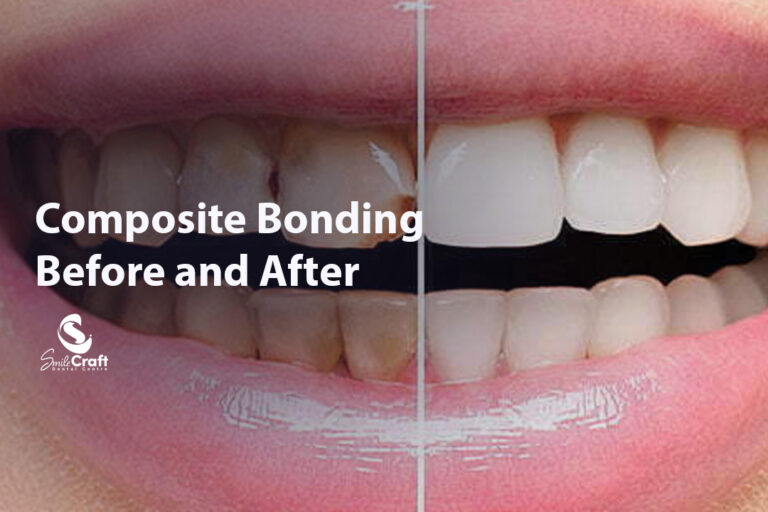
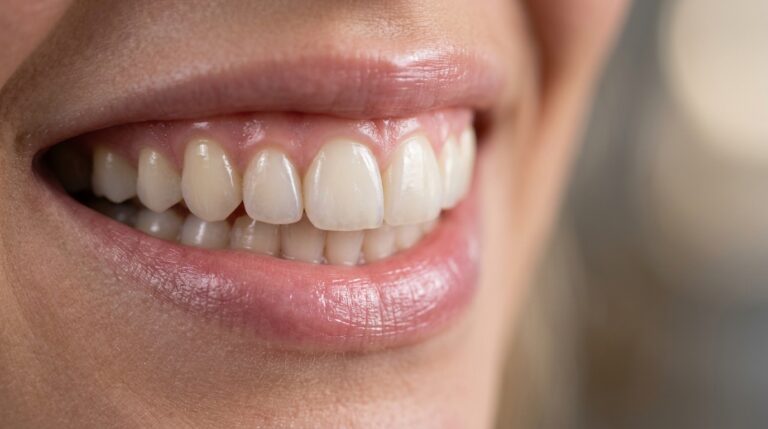
A cavity does not have to mean a mouth full of metal. Composite dental fillings have fundamentally changed the way dentists restore decayed teeth, offering a solution that is virtually invisible, structurally sound, and compatible with the philosophy of preserving as much natural tooth as possible.
Once considered a cosmetic compromise with limited durability, modern composite resins have evolved into high-performance materials that rival and in many cases surpass traditional amalgam in both aesthetics and function. Whether you are treating a new cavity or considering replacing old silver fillings, understanding how composite fillings work, what they cost, and how to care for them will help you make a confident, informed decision.

What Are Composite Dental Fillings?
A composite dental filling is a tooth-colored restoration made from a blend of synthetic resin and finely ground glass or ceramic particles. The resin matrix, typically based on Bis-GMA or UDMA chemistry, provides flexibility and bonding capacity, while the inorganic filler particles contribute hardness, wear resistance, and the ability to mimic the optical properties of natural tooth structure.
When these two components are combined in carefully calibrated ratios, the result is a material that can be shade-matched to the exact color of your tooth, shaped to replicate its natural anatomy, and cured to a durable solid within seconds using a high-intensity LED light.
Unlike amalgam fillings that are held in place by mechanical retention, meaning the dentist must create undercuts in the tooth to lock the filling in, composite fillings bond directly to the enamel and dentin through an adhesive system.
This chemical bond means less healthy tooth structure needs to be removed during preparation, preserving the integrity of the tooth. The American Dental Association recognizes composite resin as a safe, effective, and widely used direct restorative material for both anterior and posterior teeth.
How To Make Composite Dental Fillings?
The composite filling procedure is a meticulous, multi-step process that is typically completed in a single appointment lasting 30 to 60 minutes depending on the size and location of the cavity.
The dentist begins by administering local anesthesia to ensure complete comfort throughout the procedure. Once the area is numb, the decayed tooth structure is carefully removed using a high-speed handpiece and hand instruments, leaving only clean, healthy enamel and dentin.
Unlike amalgam preparation, which requires a specific cavity shape for retention, composite preparation follows the principle of “extension for prevention only,” meaning the dentist removes only what is diseased and nothing more.
After the cavity is prepared, the tooth is isolated from moisture, typically with a rubber dam or cotton rolls, because composite resin is extremely sensitive to contamination during the bonding process. An acid etchant, usually 37 percent phosphoric acid, is applied to the enamel and dentin surfaces for 15 to 30 seconds.
This etching step creates a microscopically rough surface that dramatically increases the bonding area. The etchant is rinsed away, and a bonding agent (dental adhesive) is applied and light-cured, creating the chemical bridge between the tooth and the filling material.
The composite resin is then placed in incremental layers, each no more than two millimeters thick. Each layer is sculpted to replicate the natural anatomy of the tooth and cured with an LED light for 20 to 40 seconds. This incremental layering technique is critical; it minimizes polymerization shrinkage, the slight contraction that occurs as the resin hardens, which could otherwise create gaps between the filling and the tooth wall.
Once the final layer is placed and cured, the dentist checks the bite (occlusion) using articulating paper, adjusts any high points, and polishes the restoration to a smooth, natural-looking finish. A well-executed composite filling is virtually indistinguishable from the surrounding tooth structure.
What Are the Advantages and Disadvantages of Composite Filling Treatment?
Every restorative material carries its own set of strengths and limitations, and composite resin is no exception. Understanding both sides allows you to have a productive conversation with your dentist about the best option for your specific situation.
The advantages of composite fillings are considerable. The most obvious benefit is aesthetics; the filling is shade-matched to your natural tooth, making it invisible in your smile. The adhesive bonding technique preserves significantly more healthy tooth structure compared to amalgam, supporting the principles of minimally invasive dentistry.
Composite also bonds to the tooth in a way that reinforces the remaining walls, reducing the risk of fracture in weakened teeth. The material is completely metal-free and mercury-free, which is important for patients with metal sensitivities or those who prefer to avoid mercury-containing materials. Additionally, composite fillings transmit temperature more gradually than metal, resulting in less post-operative sensitivity to hot and cold.
The disadvantages, while manageable, should also be acknowledged. Composite resin is more technique-sensitive than amalgam; the placement process requires strict moisture control and meticulous layering, and any error during bonding can compromise the longevity of the restoration. Composite fillings may not last as long as amalgam in very large, high-stress posterior cavities, particularly in patients with heavy bruxism.
Over many years, composite can absorb stain from coffee, tea, red wine, and tobacco, leading to slight discoloration, though this is typically correctable with polishing. Finally, the procedure takes longer than an amalgam filling due to the layering and curing steps, which translates to slightly higher chair time.
What Are the Factors to Be Considered After the Treatment?
The longevity of your composite filling depends not only on the quality of the placement but also on how you care for it afterward. Following a few straightforward guidelines will protect your investment and keep the restoration performing well for years.
Sensitivity to cold and pressure is common in the first one to two weeks after placement, especially in deeper cavities where the filling sits close to the nerve. This is a normal response to the bonding process and the polymerization of the resin, and it resolves on its own in the vast majority of cases. If sensitivity persists beyond two to three weeks or intensifies rather than improving, contact your dentist for evaluation.
Although the composite is fully cured by the time you leave the chair, the bonding interface benefits from gentle treatment in the first 24 hours. Avoid chewing hard or sticky foods directly on the filled tooth during this period. Once the initial settling phase passes, you can eat and function normally. For ongoing daily care, use a soft-bristled toothbrush and a non-abrasive toothpaste; highly abrasive whitening pastes can dull the polished surface of the composite over time. Interproximal cleaning with dental floss is essential for preventing secondary decay at the filling margins, the junction where the composite meets the natural tooth. This margin is the most vulnerable area for bacterial infiltration and must be kept meticulously clean.
Alcohol-based mouthwashes should be used with caution, as alcohol can degrade the resin matrix of the composite over time. Professional dental cleaning every six months allows your dentist to monitor the integrity of the filling, re-polish the surface if needed, and catch any early signs of marginal leakage before they become a problem.
If you grind your teeth, a custom night guard is strongly recommended; bruxism generates forces that exceed the design tolerance of most composite restorations, particularly in the posterior region. The same protective philosophy applies to patients with Emax Veneers, Dental Crowns, or any prosthetic restoration.
Composite vs. Amalgam (Silver)
The composite versus amalgam debate has been ongoing in dentistry for decades, and understanding the key differences helps patients make the right choice for their individual needs.
| Feature | Composite Resin | Amalgam (Silver) |
| Aesthetics | Tooth-colored, virtually invisible | Silver-gray, highly visible |
| Tooth preservation | Minimal removal, adhesive bonding | Requires mechanical retention, more removal |
| Mercury content | Mercury-free | Contains approximately 50% mercury |
| Longevity (posterior) | 7 – 12 years | 10 – 15 years |
| Technique sensitivity | High (moisture control critical) | Low (more forgiving placement) |
| Thermal conductivity | Low (less sensitivity) | High (more sensitivity) |
| Cost | Moderate to high | Low to moderate |
| Repairability | Can be repaired by adding new composite | Requires full replacement |
Amalgam has served dentistry reliably for over 150 years and remains a durable option for large posterior restorations in low-visibility areas. However, its use has declined dramatically worldwide due to aesthetic concerns, mercury content, and the need for more aggressive tooth preparation.
The Minamata Convention on Mercury, an international treaty signed by over 140 countries, has called for a phasedown of dental amalgam use, accelerating the global shift toward composite and ceramic alternatives. In modern aesthetic and minimally invasive dentistry, composite resin has become the default choice for direct restorations, with ceramic options like Emax Veneers and Composite Bonding available for cases requiring greater coverage or aesthetic refinement.
How Much Do Composite Fillings Turkey Cost?
Composite filling costs vary based on the size of the cavity, the number of surfaces involved, and the geographic location of the clinic. A small, single-surface composite filling in a front tooth costs considerably less than a large, multi-surface restoration in a molar.
| Filling Size | USA ($) | UK (£) | Germany (€) | Turkey ($) |
| Small (1 surface) | 150 – 300 | 100 – 200 | 80 – 180 | 40 – 80 |
| Medium (2 surfaces) | 200 – 400 | 150 – 300 | 120 – 250 | 60 – 120 |
| Large (3+ surfaces) | 300 – 600 | 200 – 450 | 180 – 350 | 80 – 180 |
Prices are for informational purposes only. Please consult your dentist or clinic for an exact quote.
Turkey offers some of the most competitive composite filling prices in the world, and the savings become especially significant when multiple fillings are needed or when the filling procedure is part of a larger treatment plan.
Many patients who travel to Turkey for comprehensive treatments such as Hollywood Smile design or Dental Implants have their composite fillings completed during the same visit, maximizing both value and efficiency. At Clean Smiley Turkey, composite filling procedures are performed at our contracted institutions using premium materials from leading manufacturers, ensuring that the cost advantage comes without any compromise in quality or longevity.

FAQ
Does getting a composite filling hurt?
The procedure is performed under local anesthesia, so you should not feel any pain during the treatment. You may feel pressure and vibration from the handpiece, but no sharp sensations. After the anesthesia wears off, mild sensitivity to cold and biting pressure is normal for one to two weeks. For patients with dental anxiety, sedation options can be discussed with your dentist to ensure complete comfort throughout the appointment.
How long do white fillings last?
Modern composite fillings typically last between 7 and 12 years, depending on the size and location of the restoration, the patient’s oral hygiene habits, and whether parafunctional habits like bruxism are present. Small to medium anterior fillings tend to last longer because they bear less chewing force, while large posterior fillings in molar teeth are subject to greater stress and may need replacement sooner. Regular professional check-ups every six months allow your dentist to monitor filling integrity and intervene early if any wear or marginal breakdown is detected.
Can I replace my silver fillings with white ones?
Yes, replacing old amalgam fillings with composite resin is one of the most commonly requested procedures in aesthetic dentistry. The process involves carefully removing the old amalgam filling, cleaning the cavity, and placing a new composite restoration using the adhesive bonding technique. If the cavity is too large for a direct composite filling, an indirect restoration such as a ceramic inlay or onlay, or in more extensive cases a full Dental Crown, may be recommended for optimal strength and longevity. Your dentist will assess each filling individually and recommend the most appropriate replacement option.
Can I eat immediately after a composite filling?
Since composite resin is fully cured with light during the procedure, the filling reaches its functional hardness before you leave the chair. Technically, you can eat as soon as the appointment is over. However, it is advisable to wait until the local anesthesia has completely worn off to avoid accidentally biting your cheek, lip, or tongue. During the first 24 hours, avoiding very hard, sticky, or crunchy foods on the filled tooth gives the bonding interface the best start for long-term durability.
Are composite fillings safe?
Composite fillings are considered safe by all major dental and health organizations worldwide. They are mercury-free, metal-free, and biocompatible. Concerns raised in the past about Bisphenol A (BPA) in composite resins have been addressed by extensive research; the Journal of the American Dental Association has concluded that the trace amounts of BPA potentially released from dental composites are far below any level that could pose a health risk. Modern composite formulations have further reduced or eliminated BPA-containing monomers, making current materials even safer than earlier generations.
Conclusion
Composite dental fillings represent the modern standard for restoring decayed teeth: tooth-colored, minimally invasive, mercury-free, and structurally supportive. They deliver an aesthetic result that amalgam simply cannot match, while preserving more of your natural tooth structure through adhesive bonding rather than mechanical retention. With proper care, a quality composite filling protects your tooth for years and integrates seamlessly into your smile.
Whether you need a single filling or a comprehensive treatment plan that includes composite restorations alongside advanced procedures such as Teeth Whitening, Emax Veneers, or a full Hollywood Smile makeover, the quality of the materials and the expertise of the clinician are what determine your long-term satisfaction.
To discuss your composite filling needs or explore a comprehensive smile transformation in the heart of the Mediterranean, contact Clean Smiley Turkey. Our expert team in Antalya combines precision restorative dentistry with world-class hospitality, ensuring that every step of your treatment journey is comfortable, transparent, and rewarding. Request your free quote today.