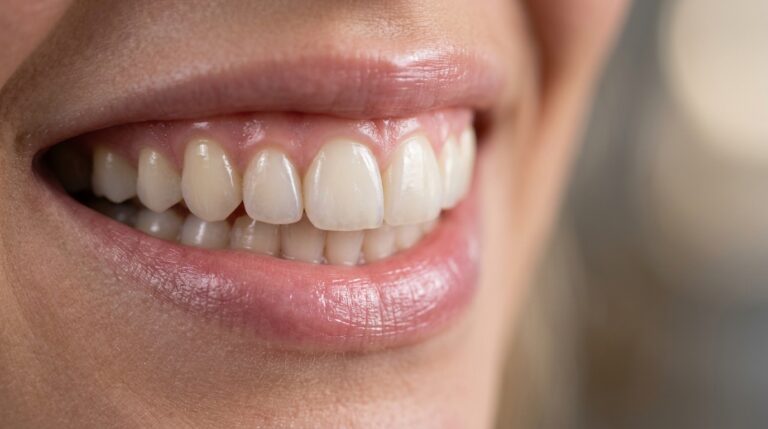
Few treatments in cosmetic dentistry deliver such a dramatic visual transformation in such a short time as composite bonding. A chipped edge that has bothered you for years, a gap that makes you hide your smile in photographs, a discolored tooth that refuses to respond to whitening — all of these can be corrected in a single appointment, often in under an hour, with results that look and feel like natural teeth.
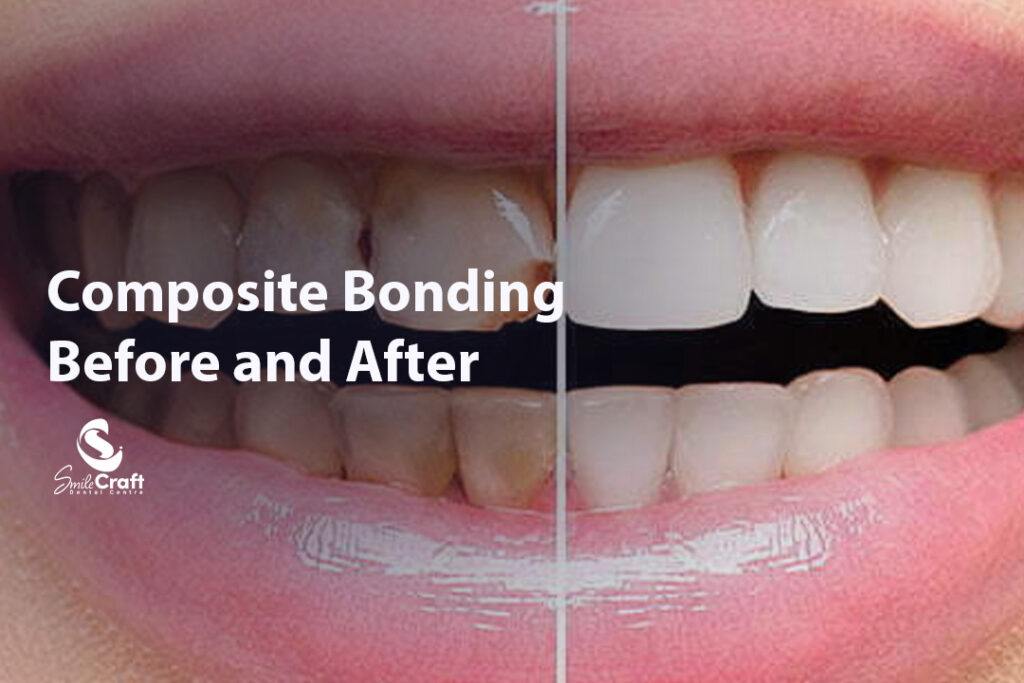
The composite bonding before and after difference is not subtle; it is the kind of change that makes people ask what you did differently without ever suspecting you visited a dentist. This guide walks you through exactly how the transformation happens, who benefits most, how the results compare to porcelain veneers, and what to expect in terms of cost, maintenance, and longevity.


How To Make Composite Bonding?
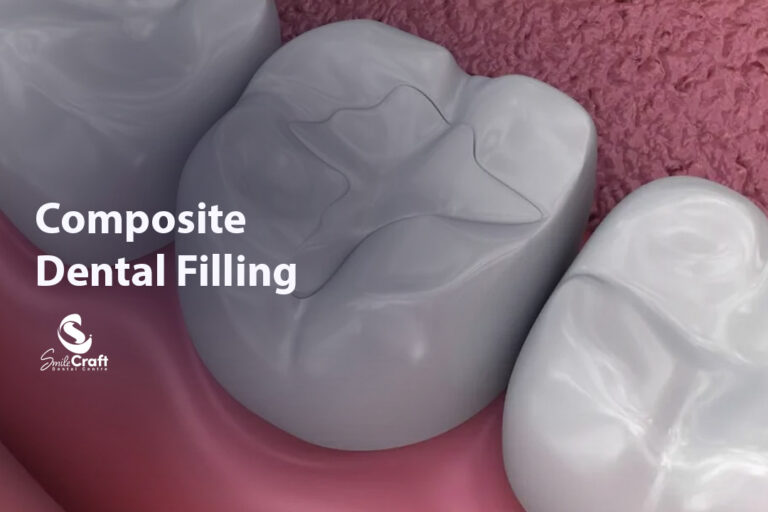
Composite bonding is a direct restorative and cosmetic technique in which tooth-colored composite resin is applied, sculpted, and hardened directly onto the tooth surface by the dentist. Unlike indirect restorations such as porcelain veneers or crowns that are fabricated in a laboratory, composite bonding is created freehand in the mouth, making the dentist both clinician and artist in a single appointment.
The process begins with the selection of a composite shade that matches the patient’s natural tooth color. The tooth surface is then lightly etched with phosphoric acid to create a microscopically rough texture, and a liquid bonding agent is applied and cured with an LED light to establish the adhesive connection between the tooth and the resin.
The dentist applies the composite in thin, incremental layers, sculpting each layer to build up the desired shape, contour, and surface anatomy. Each layer is cured with the LED light for 20 to 40 seconds before the next is applied. Once the final shape is achieved, the restoration is trimmed with fine finishing burs, adjusted for proper bite contact, and polished to a smooth, natural-looking sheen that mimics the light reflection of healthy enamel.
The entire procedure for a single tooth typically takes 30 to 60 minutes. Multiple teeth can be treated in the same session, with a full smile transformation involving six to ten teeth usually completed within two to three hours. No laboratory phase, no temporary restorations, no second appointment — the before and after happens in real time, in a single visit.
What Is Cosmetic Bonding?
Cosmetic bonding is the application of composite bonding specifically for aesthetic purposes rather than for restoring decay. While the material and technique are identical, the intent differs: cosmetic bonding aims to improve the appearance of teeth that are structurally healthy but aesthetically unsatisfactory. This distinction is important because it means that in most cosmetic bonding cases, little or no natural tooth structure needs to be removed, making the procedure minimally invasive and, in many cases, fully reversible.
The American Academy of Cosmetic Dentistry classifies cosmetic bonding as one of the most conservative aesthetic interventions available, positioned between professional teeth whitening on the minimal end and porcelain veneers on the more involved end of the cosmetic spectrum. Its accessibility, affordability, and immediate results have made it one of the fastest-growing cosmetic dental procedures worldwide, with demand increasing significantly among patients in their twenties and thirties seeking natural-looking improvements without the commitment of irreversible preparations.
Who Is the Ideal Candidate for Composite Bonding?
Composite bonding is remarkably versatile, but certain patients and clinical situations yield the most impressive before and after outcomes.
The ideal candidate has teeth that are fundamentally healthy in structure and alignment but present with specific aesthetic flaws that disproportionately affect the smile. Small to medium-sized chips on the incisal edges of front teeth respond beautifully to bonding, restoring the natural contour in minutes. Gaps between teeth, particularly the diastema between the upper central incisors, can be closed with composite that is sculpted to widen each tooth symmetrically.
Teeth that are slightly undersized, peg-shaped, or asymmetrical relative to their neighbors can be reshaped to create proportional harmony across the smile. Surface irregularities, shallow pits, and minor enamel defects that create texture inconsistencies are smoothed and masked by the composite layer.
Patients with intrinsic stains that do not respond to professional Teeth Whitening, such as tetracycline banding or fluorosis markings, can achieve significant improvement through bonding that covers the discolored surface with a uniformly colored composite.
Mildly crowded or rotated teeth that the patient does not wish to correct orthodontically can be visually straightened through strategic reshaping with composite, creating the illusion of alignment without moving the tooth at all.
However, composite bonding has its limits. Teeth with severe discoloration, significant structural damage, heavy wear, or major rotational misalignment are better served by porcelain Emax Veneers or Dental Crowns that offer superior coverage, strength, and longevity.
Patients with active bruxism present a relative contraindication, as grinding forces can fracture composite restorations more readily than porcelain. A thorough clinical evaluation determines whether bonding, veneers, or a combination of both will deliver the best before and after result for your specific case.
Common “Before” Scenarios & Their “After” Results
The power of composite bonding is best understood through the clinical scenarios it transforms most effectively. The following table illustrates common before conditions and the typical after outcomes achievable with skilled bonding:
| Before Condition | After Result | Typical Treatment Time |
| Chipped or fractured incisal edge | Restored natural contour, seamless color match | 20 – 30 minutes per tooth |
| Diastema (gap between front teeth) | Closed gap with symmetrically widened teeth | 30 – 45 minutes for both teeth |
| Peg-shaped or undersized lateral incisor | Proportionally reshaped to match central incisors | 30 – 45 minutes per tooth |
| Mild crowding or rotational appearance | Visually straightened through contouring illusion | 45 – 60 minutes per tooth |
| Intrinsic stains (tetracycline, fluorosis) | Uniform color coverage preserving natural texture | 30 – 45 minutes per tooth |
| Uneven gum-to-tooth proportions | Lengthened or widened tooth appearance restoring balance | 30 – 45 minutes per tooth |
| Worn or flattened incisal edges from aging | Rebuilt edge with youthful contour and translucency | 20 – 30 minutes per tooth |
| Old discolored or defective composite | Replaced with fresh, color-matched material | 30 – 45 minutes per tooth |
In every scenario, the after result depends heavily on the skill and artistic eye of the dentist performing the procedure. Composite bonding is among the most technique-sensitive treatments in dentistry; the same material in the hands of an experienced cosmetic dentist and a general practitioner can produce dramatically different outcomes.
The dentist’s ability to layer different opacities and translucencies of composite, replicate the natural surface texture of enamel, and create seamless margins that are invisible to the naked eye is what separates a good result from a truly exceptional one.
The Procedure: From “Before” to “After” in 60 Minutes
The transformation from before to after follows a precise clinical sequence that balances artistry with adhesive science. Each step is critical to the durability and natural appearance of the final result.
Step 1: Shade Selection & Isolation
Before any material touches the tooth, the dentist selects the composite shade under natural lighting conditions. Most composite systems offer a range of body shades, enamel shades, and translucent shades that can be layered to replicate the optical depth of a natural tooth.
A single flat shade creates an opaque, lifeless appearance; skilled layering of two to three different shades is what produces the vitality and dimension seen in the best composite bonding before and after cases. Once the shade is determined, the treatment area is isolated from moisture using cotton rolls, a dry guard, or a rubber dam. Moisture contamination during the bonding process is the primary enemy of adhesion; even microscopic salivary contamination can weaken the bond and shorten the lifespan of the restoration.
Step 2: Etching & Bonding Agents
The tooth surface is etched with 37 percent phosphoric acid gel for 15 to 30 seconds, creating a microscopically porous enamel surface that dramatically increases the bonding area. The etchant is rinsed away thoroughly, and the tooth is dried to a frosty white appearance that confirms successful etching.
A liquid bonding agent (dental adhesive) is then applied to the etched surface in a thin, even layer and cured with an LED light for 10 to 20 seconds. This cured adhesive layer forms the chemical bridge between the natural tooth structure and the composite resin, and its integrity is the foundation upon which the entire restoration’s longevity depends.
Step 3: Sculpting & Curing
This is where science meets artistry. The dentist applies the first layer of composite, typically a more opaque body shade, to replace the dentin layer and establish the core shape of the restoration. This layer is cured and the next layer, usually a more translucent enamel shade, is applied over it, replicating the way natural teeth transition from opaque at the core to translucent at the edges.
Each layer is no more than two millimeters thick to minimize polymerization shrinkage, the slight contraction that occurs as the resin hardens. The dentist sculpts each layer freehand using composite placement instruments, shaping the material to match the contours, ridges, and surface anatomy of the adjacent natural teeth.
Incisal edge translucency, mammelons (the subtle rounded lobes visible on young unwormed teeth), and surface perikymata (horizontal growth lines) can all be replicated by a skilled hand to produce an after result that is genuinely indistinguishable from nature.
Step 4: Final Polish & Bite Check
Once the final layer is cured and the gross anatomy is established, the dentist uses fine diamond burs, flexible polishing discs, and silicone polishing tips to refine the shape, smooth the margins, and bring the surface to a high gloss. The polishing sequence progresses from coarse to ultrafine grits, each step removing the scratches left by the previous one until the surface reflects light with the same luster as natural enamel.
The bite is checked with articulating paper to ensure that the bonded tooth contacts the opposing tooth evenly and that no premature contact exists that could fracture the composite under function. Minor adjustments are made as needed, a final polish is applied, and the before and after transformation is complete. The patient sees the result immediately in the mirror, with no waiting period, no temporaries, and no second appointment.
Bonding vs. Veneers: Comparing the “After”
The most common question patients ask when considering composite bonding is how the result compares to porcelain veneers. Both treatments can dramatically improve the appearance of front teeth, but they differ significantly in durability, stain behavior, and the nature of the after result over time.
Durability & Lifespan Differences
Composite bonding has an expected functional lifespan of 5 to 8 years, after which the material typically shows enough wear, staining, or marginal degradation to warrant repair or replacement. Porcelain veneers, particularly Emax Veneers made from lithium disilicate glass-ceramic, last 15 to 20 years or longer with proper care.
The difference lies in the fundamental material properties: composite resin is softer, more porous, and more susceptible to wear than fired ceramic. For patients seeking the longest possible after result with minimal maintenance, porcelain veneers are the superior investment. For patients who prioritize minimal intervention, reversibility, lower initial cost, or who are not yet ready to commit to the permanence of porcelain preparation, composite bonding is the intelligent starting point.
| Feature | Composite Bonding | Porcelain Veneers (Emax) |
| Average lifespan | 5 – 8 years | 15 – 20+ years |
| Tooth preparation | Minimal to none | 0.3 – 0.5 mm |
| Reversibility | Yes (in most cases) | No |
| Appointments needed | 1 | 2 – 3 |
| Stain resistance | Moderate | Excellent |
| Repairability | Easy chairside repair | Full replacement required |
| Initial cost | Lower | Higher |
| Annual cost (over lifespan) | Moderate (due to shorter life) | Lower (due to longer life) |
Many comprehensive smile makeovers combine both approaches strategically: porcelain veneers on the most visible and aesthetically critical teeth, and composite bonding on less prominent teeth or areas requiring only minor correction.
This hybrid approach optimizes both cost and result quality. A detailed treatment plan developed through the free quote process will determine the ideal combination for your specific goals.
Stain Resistance & Shine Retention
Porcelain is inherently stain-resistant due to its glazed, non-porous ceramic surface. Composite resin, by contrast, has an organic matrix that absorbs pigment from coffee, tea, red wine, curry, and tobacco over time. The initial after shine of a freshly polished composite can rival porcelain in the first months, but gradual micro-scratching and stain absorption dull the surface over the following years.
Regular professional polishing during six-month check-up visits can restore much of the original luster, but the cumulative effect of staining means that the composite bonding after appearance at year five will not match the day-one result as closely as porcelain would. For patients who consume significant amounts of staining beverages or who smoke, porcelain veneers offer a dramatically more stable long-term aesthetic.
Maintaining Your “After” Smile
The longevity of your composite bonding result depends directly on how you care for it after leaving the dental chair. Composite resin is durable under normal function but less forgiving than porcelain when exposed to abusive forces, staining agents, or neglected hygiene.
Daily care should include a soft-bristled toothbrush and a non-abrasive toothpaste. Highly abrasive whitening pastes contain particles that can scratch the polished composite surface, accelerating stain absorption and dulling the finish.

Interproximal cleaning with dental floss is essential for preventing plaque accumulation at the bonding margins, the junction where the composite meets the natural tooth, which is the most vulnerable area for secondary decay and marginal discoloration. Alcohol-based mouthwashes should be avoided, as alcohol can degrade the resin matrix of the composite over time, weakening both the material and the adhesive bond.
Minimizing exposure to staining agents extends the aesthetic life of the bonding significantly. Drinking coffee, tea, and red wine through a straw and rinsing the mouth with water immediately after consumption reduces direct contact between pigment and the composite surface. Quitting or reducing smoking eliminates the single most aggressive staining agent and simultaneously improves gum health. Professional dental cleaning and polishing every six months revitalizes the composite surface and removes surface stains before they become embedded.
For patients who grind their teeth, a custom nightguard is essential. Bruxism generates forces that exceed the fracture resistance of composite resin, particularly at thin incisal edges where bonding is most commonly applied. A nightguard distributes these forces evenly and can double the functional lifespan of your bonding. The same protective philosophy applies to patients with Hollywood Smile restorations, Dental Crowns, or any prosthetic investment.
How Much Do Composite Bonding Turkey Cost?
Composite bonding is one of the most affordable cosmetic dental treatments available, and the cost advantage of receiving treatment in Turkey makes it even more accessible for international patients. The price per tooth varies based on the complexity of the case, the amount of composite material required, and the number of teeth being treated.
| Scope | USA ($) | UK (£) | Germany (€) | Turkey ($) |
| Single tooth (minor chip repair) | 200 – 500 | 150 – 350 | 120 – 300 | 60 – 150 |
| Single tooth (full facial bonding) | 400 – 800 | 250 – 500 | 200 – 450 | 100 – 250 |
| Smile makeover (6 – 10 teeth) | 2,400 – 8,000 | 1,500 – 5,000 | 1,200 – 4,500 | 600 – 2,500 |
Prices are for informational purposes only. Please consult your dentist or clinic for an exact quote.
The savings become especially meaningful for multi-tooth smile makeovers, where the per-tooth cost in the US or UK can add up to thousands of dollars. Many patients who travel to Turkey for comprehensive treatments such as Dental Implants or Emax Veneers incorporate composite bonding into the same visit for teeth that require only minor cosmetic refinement, optimizing both value and treatment efficiency.
At Clean Smiley Turkey, composite bonding is performed at our contracted institutions using premium materials from internationally recognized manufacturers, ensuring that the cost advantage is achieved through lower operating costs and favorable exchange rates rather than any compromise in material quality or clinical expertise.
FAQ
Does composite bonding ruin your teeth?
No. Composite bonding is one of the least invasive cosmetic procedures available. In most cases, minimal or no natural tooth structure is removed, and the composite is bonded directly to the enamel surface using adhesive chemistry. Because the tooth beneath remains largely intact, the procedure is considered reversible; the composite can be removed and the tooth restored to its original state if desired.
This is a fundamental advantage over porcelain veneers, which require irreversible enamel preparation. The only scenario in which bonding could contribute to tooth damage is if the margins are poorly maintained and secondary decay develops at the interface, a risk that is entirely preventable with daily flossing and regular professional check-ups.
Can you whiten composite bonding later?
Composite resin does not respond to chemical whitening agents the way natural tooth enamel does. If you whiten your natural teeth after bonding, the bonded teeth will remain their original shade while the surrounding natural teeth become brighter, creating a visible color mismatch.
For this reason, Teeth Whitening should always be completed before composite bonding so that the composite shade is matched to your whitest natural tooth color. If your bonding has stained over time and professional polishing cannot restore the original shade, the composite can be removed and replaced with fresh, correctly shaded material in a single appointment.
How long does bonding actually last?
The average lifespan of composite bonding is 5 to 8 years, though this varies widely based on the location of the bonding, the size of the restoration, the patient’s dietary and oral hygiene habits, and the presence or absence of bruxism.
Small chip repairs on teeth that do not bear heavy occlusal load can last considerably longer, while large bonding restorations on teeth with heavy function may require repair or replacement sooner. Consistent maintenance, professional polishing, and nightguard use for bruxism patients are the three factors that most reliably extend bonding lifespan toward the upper end of the range.
Is the procedure painful?
Composite bonding is typically painless and often does not require local anesthesia at all. Because the procedure involves minimal or no tooth preparation, the sensitive dentin layer is usually not exposed, and the patient feels only light pressure and vibration during the etching and sculpting phases.
For patients who are particularly anxious or who require slightly more aggressive preparation due to the depth of a chip or defect, a small amount of local anesthesia can be administered for complete comfort. The absence of needles and drilling in most bonding cases makes it one of the most patient-friendly procedures in cosmetic dentistry.
What happens if the bonding chips?
One of the practical advantages of composite bonding over porcelain is repairability. If a bonded tooth chips, the dentist can add new composite material directly onto the existing restoration without removing the entire bonding.
The chipped area is roughened, a fresh layer of bonding agent is applied, and new composite is sculpted and polished to match the original shape and shade. This chairside repair is quick, affordable, and does not require a laboratory phase. Porcelain veneers, by contrast, cannot be repaired if they chip; the entire veneer must be removed and replaced. This repairability is a significant practical advantage for patients who lead active lifestyles or who are not yet ready for the commitment and cost of porcelain.
Conclusion
Composite bonding before and after represents one of the most accessible and visually rewarding transformations in cosmetic dentistry. A chipped edge becomes smooth, a gap closes, a discolored surface disappears, and an asymmetric smile finds balance all in a single appointment, with minimal preparation and immediate results. While composite does not match the longevity or stain resistance of porcelain, its affordability, reversibility, and repairability make it an intelligent choice for patients seeking meaningful aesthetic improvement without the permanence or cost of veneers.
The quality of your after result depends on two things above all: the skill of the dentist who sculpts the composite and the consistency of your maintenance routine in the months and years that follow. Choose your clinician carefully, protect your bonding with gentle hygiene and a nightguard if needed, and your smile will reward you for years to come.
To explore composite bonding as part of your smile journey, or to combine it with Emax Veneers, Dental Implants, or a full Hollywood Smile makeover, contact Clean Smiley Turkey. Our specialist team in Antalya delivers world-class cosmetic results in a setting that combines clinical excellence with the warmth of the Mediterranean. Request your free quote today and see what your after could look like.