Tooth pain has a unique ability to hijack your entire day. It throbs when you eat, pulses when you lie down, and refuses to let you concentrate on anything other than the fact that something inside your mouth is screaming for attention. Whether the pain arrived suddenly after biting into something hard or has been building gradually over weeks, the immediate priority is the same: make it stop.
This guide provides evidence-based methods to stop teeth pain quickly using over-the-counter medication, proven home remedies, and simple techniques you can apply right now, while also explaining what your pain is trying to tell you, which “remedies” are actually dangerous, and when the situation demands emergency professional care rather than another saltwater rinse.
What Causes Tooth Pain?
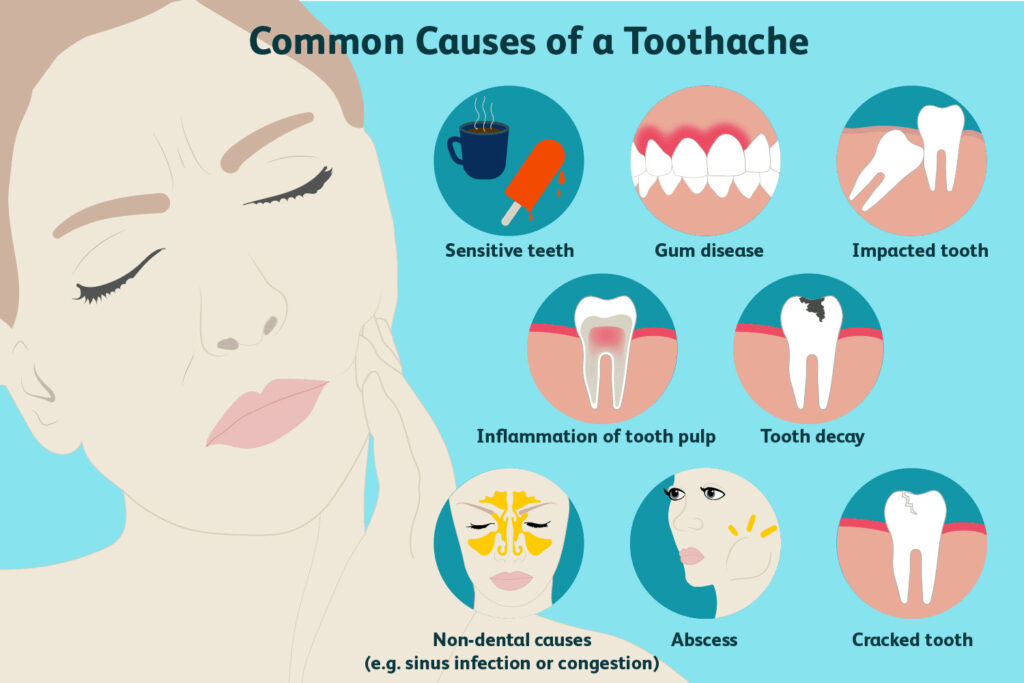
Tooth pain is not a disease; it is a symptom, and understanding its source is the first step toward effective relief. The tooth is not a solid block of mineral; it is a living structure with a nerve-rich pulp at its center, surrounded by dentin and protected by an outer shell of enamel. When that protective architecture is compromised, the nerve responds with pain signals that range from mild sensitivity to unbearable, sleep-destroying agony.
The most common cause of tooth pain is dental caries (decay). Bacteria in the oral biofilm produce acids that dissolve enamel, and once the cavity penetrates through the enamel into the dentin, the exposed dentin tubules transmit thermal and chemical stimuli directly to the nerve, producing sharp sensitivity.
If the decay reaches the pulp itself, the resulting inflammation (pulpitis) generates intense, spontaneous pain that can radiate across the entire side of the face. The American Dental Association identifies untreated decay as the leading cause of dental pain worldwide.
- Cracked or fractured teeth can flex under biting pressure, irritate the nerve, and cause pain.
- Gum recession can expose the sensitive root surface and lead to sensitivity, especially to hot and cold.
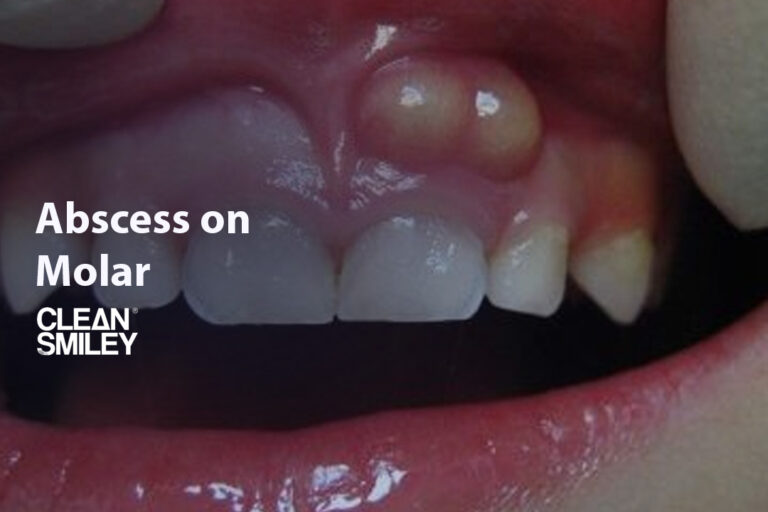
- A periodontal abscess can cause throbbing pain due to bacterial infection accumulating in a pocket beside the tooth.
- A periapical abscess can lead to severe pain when infection collects at the root tip of a dead tooth.
- Impacted wisdom teeth can cause pain by pressing against adjacent molars.
- Recent dental procedures can temporarily inflame the pulp and result in sensitivity.
- Sinus infections can create pressure and pain that is felt particularly in the upper back teeth.
- Bruxism (clenching and grinding) can overload the teeth and their supporting structures, leading to pain.
What Are The Symptoms of Tooth Pain?
Tooth pain presents differently depending on its underlying cause, and paying attention to the specific characteristics of your pain provides valuable diagnostic information.
Sharp, momentary sensitivity that occurs only when you eat or drink something cold, hot, or sweet and disappears within seconds typically indicates exposed dentin from a cavity, gum recession, or a worn filling. This type of sensitivity is the earliest warning signal and usually corresponds to a problem that can be resolved with a simple filling, desensitizing treatment, or Composite Bonding to cover the exposed surface.
Lingering pain that persists for 30 seconds or more after the stimulus is removed suggests that the inflammation has reached the pulp (irreversible pulpitis). This is a more serious signal indicating that the nerve is dying and root canal treatment is likely necessary.
Spontaneous pain that arrives without any trigger, wakes you from sleep, or throbs with your heartbeat is the hallmark of advanced pulpitis or a periapical abscess. Pain that is diffuse and difficult to localize, seemingly affecting multiple teeth or an entire quadrant, often indicates that the problem has progressed beyond the initial tooth and is involving the surrounding bone and soft tissue.
Pain on biting or chewing that shoots through a specific tooth when pressure is applied, especially when biting on hard foods, suggests a cracked tooth or a high restoration that is absorbing disproportionate force. Swelling of the gum, cheek, or jaw accompanying the pain indicates that infection has spread beyond the tooth into the surrounding tissues. Fever, difficulty swallowing, or difficulty opening the mouth combined with dental pain constitutes a medical emergency that requires immediate attention.
Methods to Stop Tooth Pain Immediately
When tooth pain strikes, the following methods provide the fastest and most reliable relief while you arrange to see a dentist. These are not cures; they are bridges to professional treatment.
Painkiller
Over-the-counter analgesics are the most effective immediate tool for stopping tooth pain. The two most recommended options are ibuprofen and acetaminophen (paracetamol), and research supports using them in combination for maximum effect.
Ibuprofen (Advil, Nurofen) is the first-line choice because it provides both pain relief and anti-inflammatory action. Dental pain is fundamentally an inflammatory process, and reducing the inflammation at the source is more effective than simply blocking the pain signal. The standard adult dose is 200 to 400 milligrams every four to six hours, not exceeding 1200 milligrams in 24 hours without medical advice. Ibuprofen should be taken with food to protect the stomach lining and is contraindicated for patients with gastric ulcers, kidney disease, or aspirin allergy.
Acetaminophen (Tylenol, Panadol) works through a different mechanism and can be alternated with ibuprofen for enhanced pain control. A study published in the Journal of the American Dental Association found that the combination of 400 milligrams of ibuprofen with 500 milligrams of acetaminophen provided superior dental pain relief compared to either drug alone and was even more effective than some prescription opioid combinations. Alternating the two drugs every three hours (ibuprofen at hour zero, acetaminophen at hour three, ibuprofen at hour six) maintains consistent pain control without exceeding the safe dosage of either medication.
Aspirin should be swallowed as a tablet with water if used, but should never be placed directly on the gum tissue (see Critical Safety Warnings below).
The Saltwater Rinse
A warm saltwater rinse is the simplest and most universally recommended home measure for tooth pain. Dissolve half a teaspoon of table salt in 250 milliliters (one cup) of warm water and swish gently around the affected area for 30 to 60 seconds before spitting. The hypertonic solution draws fluid from inflamed tissue through osmosis, reducing swelling and pressure around the painful tooth. Salt water also has a mild antimicrobial effect that helps reduce the bacterial load in the area. Repeat three to four times throughout the day. This rinse provides meaningful relief for pain associated with gum inflammation, minor abscesses, and post-procedural sensitivity. It costs nothing, carries no risk, and can be repeated as often as needed.
Cold Compress / Ice Pack
Applying a cold compress to the outside of the cheek, over the area of the painful tooth, constricts blood vessels, reduces swelling, and numbs the nerve endings in the region. Wrap ice or a cold pack in a thin cloth and hold it against the cheek for 15 minutes, then remove for 15 minutes. This on-off cycle can be repeated for as long as needed.
Cold therapy is particularly effective for pain associated with swelling, trauma, and post-surgical discomfort. Never apply ice directly to the skin or inside the mouth against the tooth, as this can cause tissue damage and paradoxically increase sensitivity. The cold compress works best as a complement to oral analgesics rather than a standalone measure.
Home Natural Remedies For Preventing Tooth Pain
When over-the-counter medication is unavailable or when you want supplementary relief alongside analgesics, several natural remedies have both traditional backing and varying degrees of scientific support.
Clove Oil
Clove oil (eugenol) is the most well-established natural analgesic for dental pain and has been used in dentistry for centuries. Eugenol, the active compound, is a natural anesthetic and anti-inflammatory agent that is still used as a component in some professional dental materials. A study in the Journal of Dentistry confirmed that eugenol produces localized numbing comparable to benzocaine when applied directly to oral tissue.
To use clove oil for tooth pain, place one or two drops on a small cotton ball or cotton swab and apply it directly to the painful tooth and surrounding gum. Hold it in place for 30 to 60 seconds, then remove. The area should feel numb within one to two minutes. Reapply every two to three hours as needed. Avoid using undiluted clove oil in large quantities, as it can irritate the soft tissue. Patients who find pure clove oil too intense can dilute it with a carrier oil such as olive or coconut oil at a 1:1 ratio.
Peppermint Tea Bags
Peppermint contains menthol, a compound with mild anesthetic and cooling properties. A slightly warm, used peppermint tea bag placed against the painful tooth and gum can provide soothing relief. Alternatively, chilling the used tea bag in the freezer for a few minutes and applying it cold combines the menthol’s numbing effect with the anti-inflammatory benefit of cold therapy. This method is gentle, pleasant-tasting, and carries no risk. It is particularly suitable for mild to moderate sensitivity and for children who may resist other remedies.
Garlic Paste
Garlic contains allicin, a sulfur compound released when garlic is crushed that has documented antibacterial properties. Crushing a fresh garlic clove into a paste and applying it to the painful area delivers allicin directly to the bacterial load that may be contributing to the infection and inflammation. A small amount of salt can be mixed into the paste to enhance the osmotic and antimicrobial effect. The taste and odor of garlic are strong, which limits its appeal for many patients, but for those willing to tolerate it, the antibacterial action provides a genuine if modest complement to pain management.
Rinse
Beyond saltwater, two additional rinse options provide supplementary relief. Hydrogen peroxide rinse (3 percent hydrogen peroxide diluted 1:1 with water) acts as an antiseptic that reduces bacterial load and can help manage pain associated with gum infection or pericoronitis (inflammation around a partially erupted wisdom tooth).
Swish for 30 seconds and spit thoroughly; do not swallow. Warm water with a drop of tea tree oil offers antimicrobial properties, though the evidence base is less strong than for clove oil. Any rinse should be used as a temporary adjunct, never as a replacement for professional dental treatment. Once your dental issue is resolved, maintaining long-term oral health through proper hygiene protects against future pain episodes, whether you are caring for natural teeth, Dental Crowns, Emax Veneers, or Dental Implants.
Critical Safety Warnings
Not every popular “remedy” for tooth pain is safe. Some widely shared tips can cause serious harm and should be avoided categorically.
The “Aspirin on the Gum” Myth
One of the most persistent and dangerous home remedy myths is placing a crushed aspirin tablet directly on the gum tissue next to a painful tooth. The logic seems intuitive: put the painkiller right where the pain is. The reality is that aspirin is acetylsalicylic acid, and when held against soft tissue, it causes a chemical burn that destroys the mucosal lining.
The result is a painful, white or red ulcerated lesion on the gum that takes one to two weeks to heal and adds a second source of pain on top of the original toothache. Aspirin provides dental pain relief only when swallowed as a tablet and absorbed systemically. It should never be applied topically to any oral tissue.
Avoiding Heat
Applying heat to a toothache, whether through a warm compress on the cheek, a hot water bottle, or warm beverages, can worsen the pain and accelerate the progression of an underlying infection. Heat increases blood flow to the area, which amplifies swelling and pressure on the already inflamed nerve. If an abscess is present, heat encourages the infection to spread into surrounding tissue rather than remaining contained.
Cold therapy is the safe choice for dental pain; heat should be avoided entirely until a dentist has evaluated the tooth and ruled out infection. The only exception is a warm saltwater rinse, where the temperature is mild and the contact time is brief.
When to See a Dentist Immediately
Home remedies and over-the-counter painkillers are temporary measures. Certain symptoms associated with tooth pain indicate that the situation has escalated beyond what self-care can manage and that professional intervention is urgently needed.
Swelling in the Face or Jaw
Swelling that extends beyond the gum immediately around the tooth into the cheek, the area under the jaw, or the floor of the mouth indicates that a dental infection has breached its containment and is spreading through the fascial spaces of the head and neck. This type of swelling is firm, warm, and often visibly asymmetric compared to the other side of the face. It can progress rapidly over hours and, in severe cases, compromise the airway. Do not wait for the swelling to resolve on its own; contact a dentist immediately or go to the emergency room if after-hours care is unavailable.
Fever or Difficulty Swallowing
Fever accompanying dental pain signals that bacteria or their toxins have entered the bloodstream, triggering a systemic immune response. A temperature above 38°C (100.4°F) in the context of a toothache is a warning sign that demands same-day professional evaluation.
Difficulty swallowing (dysphagia) or difficulty opening the mouth fully (trismus) indicates that the infection is involving the deep spaces of the throat and the muscles of the jaw, conditions such as Ludwig’s angina that carry life-threatening potential if treatment is delayed. The Sepsis Alliance identifies dental infections as a recognized pathway to sepsis and urges immediate emergency care when systemic symptoms develop.
A tooth that causes these symptoms may require urgent treatment ranging from incision and drainage to root canal therapy to extraction. For teeth that are ultimately lost to advanced infection, modern restorative solutions including Dental Implants, All on 4, and All on 6 full-arch protocols can restore complete function and aesthetics once the infection is fully resolved.
FAQ
Why does my tooth hurt more at night?
Tooth pain intensifying at night is one of the most common complaints in dentistry, and there is a clear physiological explanation. When you lie down, blood flow to the head increases because gravity is no longer drawing blood toward your feet. This increased blood flow raises the pressure inside the pulp chamber of the inflamed tooth, intensifying the throbbing sensation. Additionally, the distractions of the day, work, conversations, screens, are absent at night, making you hyper-aware of the pain that was partially masked during waking hours.
Cortisol levels also drop at night, reducing the body’s natural anti-inflammatory activity. To mitigate nighttime tooth pain, sleep with your head elevated on an extra pillow to reduce blood pressure to the head, take your analgesic dose 30 minutes before bed, and apply a cold compress to the cheek for 15 minutes before lying down.
Will the toothache go away on its own?
In most cases, no. A toothache caused by decay, cracked tooth, abscess, or pulpitis will not resolve without professional treatment. What can happen is that the acute pain subsides temporarily if the nerve inside the tooth dies, removing the source of pain signals. This gives the dangerous illusion that the problem has “fixed itself,” when in reality the infection at the root tip continues to grow silently, destroying bone and potentially spreading to adjacent structures.
A toothache that disappears suddenly after days of intense pain should prompt a dental visit, not relief; it often indicates that the pulp has necrosed and the infection is transitioning from acute to chronic. Teeth Whitening and other elective procedures should always be preceded by a thorough evaluation to ensure that no underlying pathology is masquerading as a resolved issue.
Can I put alcohol (whiskey) on the tooth?
Swishing whiskey, brandy, or any high-proof alcohol around a painful tooth is a folk remedy that provides negligible anesthetic benefit while carrying real risks. The alcohol concentration in spirits is insufficient to provide meaningful topical anesthesia to dental nerve tissue. Meanwhile, alcohol irritates the already inflamed gum tissue, causes a burning sensation on any open wound or ulcer, and can interact negatively with pain medications you may be taking. In children, any amount of oral alcohol exposure is inappropriate and potentially dangerous. Stick with proven remedies: ibuprofen, saltwater, cold compress, and clove oil deliver reliable, evidence-based relief without the downsides of alcohol.
Is Orajel (Benzocaine) safe to use?
Benzocaine-containing topical gels such as Orajel provide temporary surface numbing of the gum tissue and can offer short-term relief for localized tooth pain. Applied sparingly to the gum around the painful tooth, benzocaine blocks nerve signal transmission at the tissue surface for 15 to 30 minutes. However, benzocaine carries a rare but serious risk of methemoglobinemia, a condition in which the blood’s ability to carry oxygen is impaired.
The U.S. Food and Drug Administration has issued warnings against using benzocaine products in children under two years of age and advises adults to use the minimum effective amount for the shortest necessary duration. Benzocaine is a reasonable short-term option for adults when used as directed, but it numbs only the surface tissue and does not address pain originating deep within the tooth pulp or at the root tip.
How long can I wait before seeing a dentist?
The answer depends on the severity and nature of your symptoms. Mild sensitivity that occurs only with specific triggers (cold, sweet) and resolves quickly can be monitored for a few days while you schedule a routine appointment. Moderate pain that requires regular analgesic use should be seen within one to two days. Severe, spontaneous, or throbbing pain that interferes with sleep or daily function should be evaluated the same day or the next morning at the latest.
Pain accompanied by facial swelling, fever, difficulty swallowing, or difficulty breathing is a medical emergency that requires immediate hospital or emergency dental care, not a scheduled appointment. As a general principle, the sooner you seek treatment for dental pain, the simpler and less costly the solution will be. A cavity that could be managed with a straightforward filling today may require root canal treatment, a Dental Crown, or even extraction and an implant if left for weeks or months.
Conclusion
Teeth pain is your body’s alarm system telling you that something inside your mouth requires attention. The combination of ibuprofen and acetaminophen provides the most effective immediate pharmaceutical relief. Saltwater rinses, cold compresses, and clove oil offer proven supplementary support. Dangerous myths like placing aspirin on the gum or applying heat to a swollen jaw should be avoided categorically. And above all, home remedies are bridges to professional care, not replacements for it.
Every toothache has a cause, and every cause has a treatment. The earlier you seek that treatment, the simpler, less painful, and less expensive it will be. A tooth that could be saved today with a filling or root canal may be lost tomorrow to an infection that has spread beyond the point of rescue.
Whether you need emergency treatment for an acute toothache, restorative work such as Dental Crowns or Composite Bonding to repair damaged teeth, or a complete smile restoration with Emax Veneers or a Hollywood Smile makeover, the expertise of qualified professionals is what transforms pain into relief and damaged teeth into confident smiles. Contact Clean Smiley Turkey to discuss your dental needs with experienced specialists in Antalya, or request a free quote to explore your treatment options today.