Last updated: October 27, 2026
What to eat after wisdom teeth removal depends on the day. In the first 24 hours, choose cool or lukewarm liquids and very soft foods such as yogurt, smooth soup and mashed potatoes, eaten with a spoon and never through a straw. Most people manage fork-soft foods within a few days and most normal meals in one to two weeks.
What to eat after wisdom teeth removal also depends on how the tooth came out, because a surgical extraction of an impacted tooth usually needs a longer soft-food phase. At Clean Smiley Turkey in Antalya, eating advice is part of extraction aftercare, and this guide covers it day by day, food by food.
What can you eat in the first 24 hours after wisdom teeth removal?
In the first 24 hours after wisdom teeth removal, you can have cool or lukewarm liquids and smooth foods that need no chewing, such as yogurt, pudding, applesauce, blended soup, thin mashed potatoes and plain ice cream. Wait until the gauze is out and the bleeding has slowed before you eat anything.
The gauze comes first. Biting on it firmly for as long as your dentist recommends, often 30 to 60 minutes, helps a blood clot form in the socket. The clot protects the bone and becomes the base for new gum, so day one is about keeping it in place: no straws, no spitting, no forceful rinsing and nothing hot.
Wait for the local anesthetic to wear off before eating, usually a few hours, because a numb mouth is easy to burn or bite. Lukewarm means roughly body temperature. If the extraction was in the afternoon, our guide to the first night after tooth extraction covers sleeping position and bleeding.
What to eat after wisdom teeth removal, day by day
Deciding what to eat after wisdom teeth removal is easiest in stages: liquids and smooth foods on day one, spoon-soft foods on days two and three, fork-soft foods from day four to seven, and a gradual return to normal textures in week two. Move to the next stage only when chewing at the current one feels comfortable.
| Stage | What to eat | What to hold off on |
|---|---|---|
| First few hours | Nothing while the gauze is in place, then sips of cool water | Hot drinks, chewing while numb |
| Day 1 | Yogurt, pudding, applesauce, smooth lukewarm soup, thin mashed potatoes, plain ice cream | Straws, hot food, alcohol, anything with pieces |
| Days 2 and 3 | Smooth oatmeal, scrambled eggs, mashed banana or avocado, hummus, cottage cheese | Crunchy, spicy or acidic foods, seeds, rice |
| Days 4 to 7 | Soft pasta, flaked fish, shredded chicken in sauce, well-cooked vegetables, soup with tender pieces | Crusty bread, chips, nuts, popcorn, tough meat |
| Week 2 | Most everyday foods, including rice and soft bread, chewed gently | Hard or sharp foods on the extraction side |
| Weeks 3 and 4 | Usually a normal diet once the gum over the socket has closed | Popcorn and hard seeds if the socket still feels open |
Treat the table as a guide, not a schedule. A surgical removal with stitches can need a few extra days at each stage. For swelling, pain and the rest of healing, see our day by day wisdom teeth recovery timeline.
Days 2 and 3: soft foods with a little more substance
On days two and three, most people can add soft foods with more substance, such as smooth oatmeal, scrambled eggs, mashed banana or avocado, hummus and cottage cheese. Swelling often peaks now, so small spoonfuls help, and protein from eggs, yogurt or soft cheese supports tissue repair.
Days 4 to 7: foods you can mash with a fork
From day four to seven, foods you can mash with a fork usually work: soft pasta, flaked fish, shredded chicken in sauce, well-cooked vegetables and soups with tender pieces. Chew on the side away from the extraction and rinse gently after meals, since food starts collecting in the socket.
When can I eat normally after wisdom teeth removal?
Most people can eat normally again about one to two weeks after wisdom teeth removal, starting with soft everyday meals and adding crunchy or hard foods last. After a surgical extraction of an impacted tooth, a full return to chips, nuts and crusty bread can take three to four weeks.
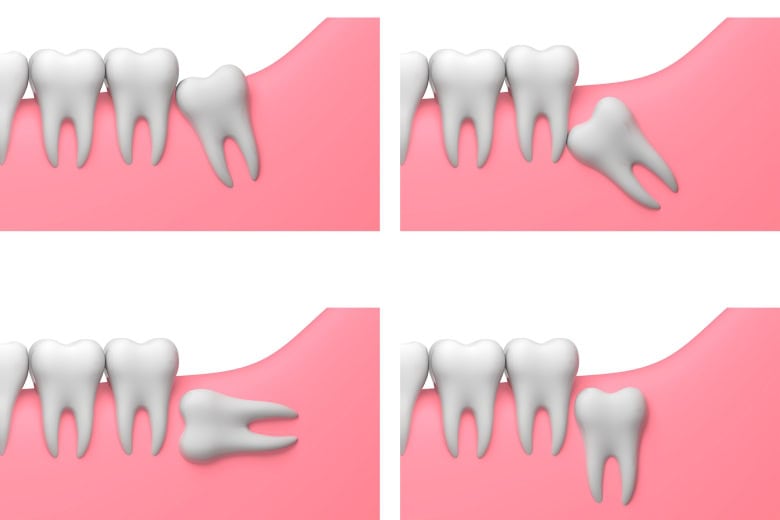
The gum over the socket usually closes within a few weeks, while the bone underneath keeps filling in for months. You only need the gum to close enough that crumbs no longer catch. A lower impacted tooth, stuck at an angle under the gum, usually needs a small cut and stitches, and its deeper socket traps food more easily than an upper one.
You are ready to move on when you can open your mouth comfortably, chewing on that side no longer aches and food is not getting trapped. At the follow-up visit the socket is examined, a good moment to ask about crunchy foods.
Which soft foods after wisdom teeth removal are easiest to eat?
The easiest soft foods after wisdom teeth removal are smooth, cool or lukewarm, and have no seeds, crumbs or sharp edges. Yogurt, smooth soup, mashed potatoes, scrambled eggs, oatmeal, ripe banana, soft pasta and flaked fish give you protein and energy without making a sore jaw work hard.
Soup: lukewarm and smooth
Soup after wisdom teeth removal is one of the most useful foods, as long as it is lukewarm and smooth for the first two or three days. Blended vegetable soup, pureed pumpkin, strained broth and smooth red lentil soup all work. From around day four, soups with soft pieces or noodles are usually fine. Keep chili, pepper and lemon out for the first week, and sip from a mug rather than a straw.
Mashed potatoes, yogurt and ice cream
Mashed potatoes are filling and easy to thin with milk or broth on day one. Plain yogurt, pudding and ice cream are cold and need no chewing. Pick flavors without nuts, cookie pieces or chocolate chips, and skip the cone.
Smoothies without a straw
Smoothies give you fruit, protein and fluid at once, as long as you drink them from a glass or use a spoon. Choose seedless fruit such as banana, mango or peach. Strawberries, raspberries and kiwi have tiny seeds that can lodge in the socket, and orange or pineapple juice can sting in the first days.
Eggs, pasta, oatmeal and fish
Soft scrambled eggs and smooth, lukewarm oatmeal fit from day two. Well-cooked pasta usually works from day three or four, though tiny shapes such as orzo behave like rice and are better left for later. Flaky fish such as salmon or cod is a gentle protein from about day four if you check for bones.
Can you eat rice after wisdom teeth removal?
You can eat rice after wisdom teeth removal, but it is usually better to wait about a week. Single grains of cooked rice are small and firm enough to slip into an open socket, where they can irritate the gum and hold bacteria. Once the socket starts to close, soft rice is generally fine.
Very soft rice porridge, often called congee, is easier because the grains have broken down, and some people manage it from day three or four. Quinoa, couscous, bulgur and sesame seeds carry the same risk as rice grains and follow the same timing.
If a grain gets stuck, do not dig it out with a toothpick or your tongue. A gentle rinse after the first 24 hours usually loosens it, and a small syringe helps if you were given one. A trapped grain alone is not an emergency, but increasing pain, swelling or a bad taste is worth a call.
What foods should you avoid after wisdom teeth removal?
The foods to avoid after wisdom teeth removal are those that can burn, scratch, sting or lodge in the socket: very hot food and drinks, crunchy snacks, nuts, seeds, popcorn, spicy and acidic foods, sticky or chewy foods, alcohol and fizzy drinks. Straws and smoking matter just as much, because suction can pull out the clot.
| Food group | Easier choices | Avoid for now | Why |
|---|---|---|---|
| Soups | Smooth, lukewarm blended soups and broth | Very hot or chunky soup in the first days | Heat can restart bleeding |
| Grains and starches | Mashed potatoes, smooth oatmeal, soft pasta | Rice, quinoa, couscous, crusty bread, chips | Small grains and crumbs lodge in the socket |
| Protein | Scrambled eggs, flaked fish, shredded chicken, hummus | Steak, jerky, tough or crispy meat | Tough food strains a sore jaw |
| Dairy | Yogurt, pudding, cottage cheese, plain ice cream | Ice cream with nuts, cones or cookie pieces | Hard pieces scratch the healing gum |
| Fruit | Banana, applesauce, mango, ripe peach | Berries with seeds, citrus, pineapple | Seeds lodge, acid stings |
| Snacks | Smoothies by spoon, mashed avocado, soft cheese | Nuts, popcorn, crackers, granola | Sharp pieces and husks |
| Drinks | Water, milk, lukewarm tea or coffee from day two | Alcohol, fizzy drinks, very hot drinks, straws | Suction, heat and alcohol disturb healing |
Why straws, smoking and spitting raise the risk of dry socket
Straws, smoking and forceful spitting create suction or pressure that can pull the blood clot out of the socket and leave the bone exposed. The result is dry socket, one of the most common painful complications after a lower wisdom tooth extraction, and smoking is one of its clearest risk factors. Most dentists advise no straws for about a week and no smoking or vaping for at least the first few days.
Skip alcohol, fizzy drinks and very hot drinks for the first few days as well. Alcohol can increase bleeding and interact with prescribed medicine, so leave it out while you take that medicine. Crunchy, spicy and acidic foods can wait until the gum starts to close: chips and popcorn break into sharp pieces that wedge in the socket, and chili and citrus sting.
Which meals after wisdom teeth removal work for the first week?
Good meals after wisdom teeth removal are soft, lukewarm, rich in protein and easy to prepare when you are tired. The sample plan below covers the first week. Swap items as you like, keep portions small and eat four or five times a day if large meals feel tiring.
| Day | Breakfast | Lunch | Dinner | Snack |
|---|---|---|---|---|
| Day 1 | Cool yogurt once the numbness wears off | Lukewarm blended vegetable soup | Thin mashed potatoes | Plain ice cream or pudding |
| Day 2 | Smooth, lukewarm oatmeal | Smooth red lentil or pumpkin soup | Mashed sweet potato with hummus | Banana and yogurt smoothie from a glass |
| Day 3 | Soft scrambled eggs | Cottage cheese with mashed avocado | Mashed potatoes with gravy and pureed carrots | Applesauce |
| Days 4 and 5 | Soft pancakes without crispy edges | Mac and cheese | Flaked salmon with mashed potatoes | Pudding |
| Days 6 and 7 | Omelet with soft cheese | Soup with soft vegetables and noodles | Shredded chicken in gravy with well-cooked vegetables | Soft cake |
Sip water from a glass through the day, especially in warm weather. If you have diabetes or follow a special diet, tell your dentist beforehand so meals and medicine can be planned together. For more recipe ideas, see our collection of delicious meals after dental surgery.
How should you eat to protect the extraction site?
Eat slowly with small bites, chew on the side away from the extraction and keep food cool or lukewarm. After meals, clean the area the way your dentist describes, which usually means no rinsing on the first day and gentle rinses with warm salt water from the second day onward.
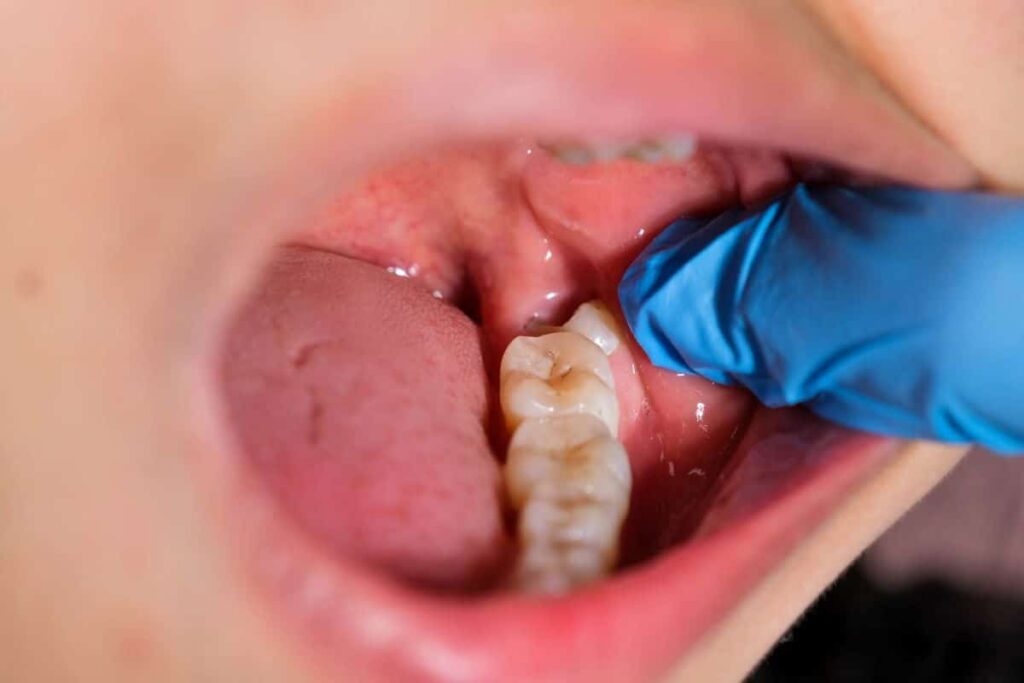
A teaspoon limits how wide you need to open and keeps food away from the back of the mouth. When rinsing, let the water roll gently around and fall out over the sink instead of spitting. An irrigation syringe for a lower socket, if you were given one, is usually started several days after surgery.
Keep brushing your other teeth from the first night with a soft brush. If your medicine should be taken with food, plan a small soft meal around it.
Which signs of dry socket or infection mean you should call your dentist?
Call your dentist if pain gets worse instead of better after day two or three, if the socket looks empty or you can see bone, or if you notice a bad taste, pus, fever or swelling that keeps increasing. Pain that does not settle with the medicine you were prescribed also needs a check.
Dry socket usually appears a few days after the extraction, most often between day two and day four. Infection tends to show up a little later. Watch for these signs:
- throbbing pain spreading to the ear, temple or neck that starts or worsens after day two
- an empty-looking socket or whitish bone visible in the gap
- a bad taste or bad breath that gentle rinsing does not clear
- swelling that increases after day three, or new swelling later on
- fever, chills or pus coming from the socket
- bleeding that continues despite firm pressure on gauze
Difficulty swallowing or breathing, swelling spreading toward the eye or neck, or bleeding that will not stop needs urgent care. If dry socket is confirmed, the dentist usually cleans the socket and places a soothing dressing. Mild soreness and stiffness in the first three days are expected, and our article on wisdom tooth pain explains pain around the back teeth.
How can you plan soft meals if you have wisdom teeth removed abroad?
If you have wisdom teeth removed abroad, plan your soft food before the appointment. Choose a hotel with room service or a fridge, buy yogurt, pudding, bananas and eggs on the first day, and book the extraction early in your stay so the socket can be checked before you fly home.
Turkish red lentil soup, mercimek çorbası, is traditionally blended smooth, so it suits day one or two once it has cooled, ordered without chili flakes and with the lemon on the side. Smooth milk pudding (muhallebi), plain yogurt and ayran, a lightly salted yogurt drink, are easy to find. Drink ayran from a glass rather than through the straw it often comes with, and save rice pudding and pilaf for the second week.
For the journey home, pack fruit puree pouches to squeeze onto a spoon rather than suck from the spout, because airport food is often crunchy or very hot. Ask your dentist when flying is reasonable in your case, and keep your aftercare instructions in your hand luggage.
Frequently Asked Questions
Can I drink coffee after wisdom teeth removal?
You can usually drink coffee from the second day if it is lukewarm and sipped from a cup without a straw or lid. Very hot coffee on the first day can restart bleeding. Keep water as your main drink and skip iced coffees served with a straw.
Is it normal to have no appetite after wisdom teeth removal?
Yes, a low appetite for the first day or two is common, because the jaw is sore and swallowing feels different. Small, frequent portions are easier than full meals, and cool yogurt or a lukewarm soup still gives you protein and fluid. If you cannot keep fluids down or feel faint, contact your dentist or doctor.
Can I eat mac and cheese after wisdom teeth removal?
Mac and cheese is usually fine from about day three or four, once you can chew gently. Cook the pasta until soft, serve it lukewarm and leave out crispy toppings such as breadcrumbs. Larger pasta shapes are easier than tiny ones, which can lodge in the socket the way rice does.
When can I eat bread after wisdom teeth removal?
Soft bread without the crust usually works from around day five, chewed on the opposite side. Crusty bread, toast, bagels and pizza crust can wait until the second or third week, because they are hard, sharp-edged and crumble into pieces that catch in the healing socket.
Can I eat chocolate after wisdom teeth removal?
Smooth chocolate pudding, chocolate ice cream without pieces and a small square of chocolate left to melt on the tongue are usually fine after the first day. Bars with nuts, caramel or wafer pieces can wait until the socket has closed, since hard and sticky bits can lodge in it or pull at stitches.
Can I eat normally if I have stitches after wisdom teeth removal?
Soft food does not harm stitches, and most stitches used after wisdom teeth removal dissolve or fall out on their own within a week or two. Chew on the other side and avoid tough or sticky food that could tug at the threads. If a stitch comes out early and the area bleeds, bite on gauze and call your dentist.
Eating well after wisdom teeth removal comes down to a few habits: soft and lukewarm food first, small bites on the other side, no straws or smoking, and a slow return to crunchy textures. At Clean Smiley Turkey in Antalya, eating and aftercare are explained before you leave the clinic, and the healing socket is checked at your follow-up visit. If pain worsens after day three, the socket looks empty, or you notice fever, pus or growing swelling, contact your dentist rather than waiting.
This article is for general information and does not replace a dental examination or personal medical advice.
Related Articles