The stress of modern life doesn’t just haunt us during the day; it follows us even while we sleep. If you wake up with unexplained fatigue, a throbbing pain in your temples, or a feeling as if your jaw is locked, you might be one of the millions of people who unknowingly clench their teeth throughout the night. Known medically as “Bruxism,” the habit of clenching and grinding teeth is a silent force of destruction that places tons of load on your teeth. As Clean Smiley Dental Clinic, we explain the details of “Teeth Protectors” (Night Guards)—your teeth’s most important insurance policy against this destructive force—and how to choose the right one.
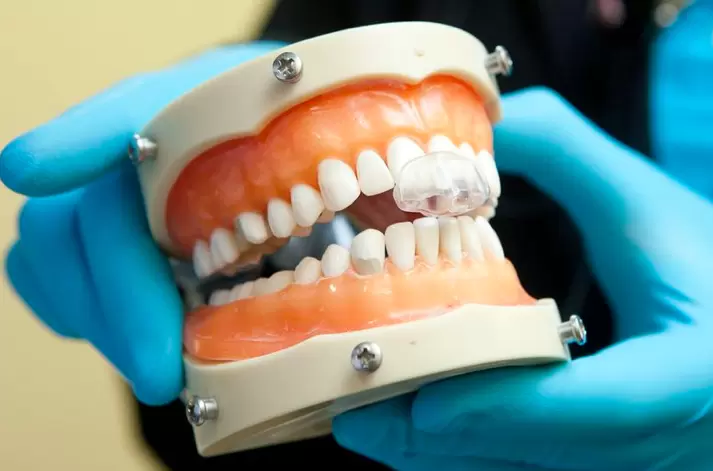
Why You Need a Teeth Protector (Bruxism)
Bruxism is a condition where teeth are ground together or clenched due to excessive contraction of the jaw muscles, usually occurring unconsciously during sleep. This is not a simple habit, but a destructive pressure applied to your teeth. Forces many times greater than those applied during normal chewing are loaded onto your teeth and jaw joint incessantly throughout the night. Using a teeth protector creates a barrier between your teeth and this destructive force, placing your teeth, muscles, and jaw joint under protection.
Signs You’re Grinding: Morning Headaches & Jaw Fatigue
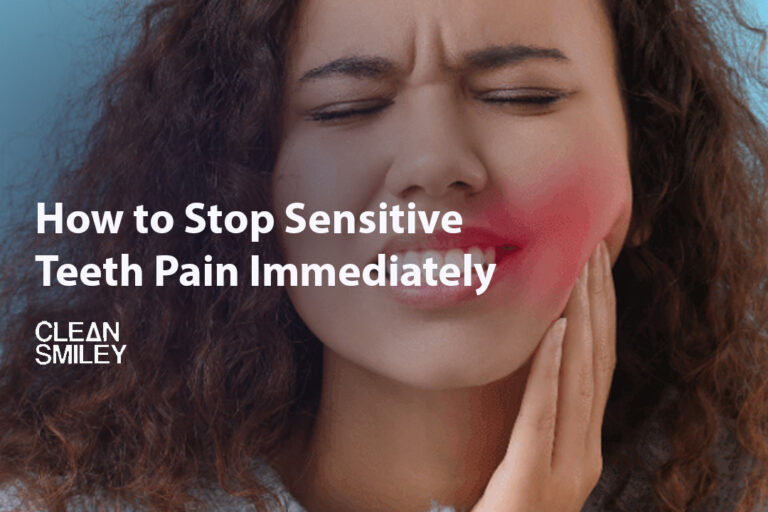
Most patients are not even aware they grind their teeth until a partner warns them. However, your body gives you clear signals in the morning. If you feel fatigue in your cheek muscles as if you’ve been working out all night, if you hear a clicking sound when opening your jaw, or if you experience a dull headache spreading from your temples to your neck, it means your body spent the night fighting. This muscle fatigue and joint pain are the most concrete proofs of how severely you are clenching your teeth during the night.
Enamel Erosion: The Permanent Cost of Ignoring the Grind
Pain may be temporary, but the damage done to your teeth is unfortunately permanent. “Enamel,” the outermost layer of the tooth, is the hardest substance in the body, but it cannot withstand constant friction. Tooth tips flattened as if sandpapered, shortened tooth lengths, and the yellow dentin layer appearing as a result of enamel loss are the signatures of bruxism. Once enamel is lost, it does not regenerate; this leads to lifelong sensitivity, tooth cracks, and aesthetic losses. Not using a protector means standing by and watching your teeth slowly erode.
Comparing the 3 Main Types of Teeth Protectors
Not all products sold as “dental guards” on the market provide the same protection. The right choice is critical for your comfort and the success of the treatment.
Custom-Fit (Lab-Direct)
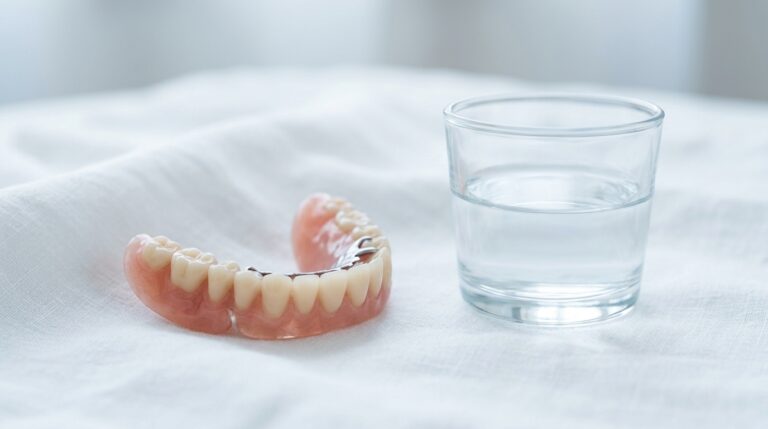
This is the method we accept as the gold standard at Clean Smiley Dental Clinic. They are produced specifically for you in the laboratory environment with precise measurements taken by your dentist. They provide a millimetric fit to your tooth structure, jaw arch, and bite pattern. They do not feel bulky in the mouth, do not fall out while sleeping, and do not make breathing difficult. It is the professional solution designed for long-term use, providing the highest comfort and protection.
Hybrid/Dual-Laminate: Soft Inside, Hard Outside
These new-generation guards, emerging with the advancement of technology, combine comfort and durability. The inner surface of the guard that touches the teeth is made of a soft material, wrapping the gums and teeth like a pillow; the outer surface is produced from hard acrylic to resist the wear caused by teeth grinding. It is a perfect balance, especially for patients who seek comfort but grind their teeth with moderate-to-severe intensity.
Boil and Bite: The Emergency Solution
These guards, sold in pharmacies or online, are shaped by biting after being softened in hot water and are generally an “emergency” solution. Since they are produced in standard molds, they can feel bulky in the mouth, may not provide a perfect fit, and can cause discomfort during sleep. They can be used temporarily during short trips or until your professional guard is made, but they are insufficient for long-term bruxism treatment.
How to Choose Your Material Based on Grinding Severity
Everyone’s grinding severity is different; therefore, the material of the guard they should use must also be different.
The Soft Guard (EVA): For Light Clenchers Only
If your clenching habit is mild or only occurs during stressful periods, soft silicone-like (EVA) guards can be preferred. These guards cushion and protect the teeth. However, if you are a severe tooth grinder, soft guards can trigger the chewing reflex, causing you to clench even more, or they may be torn apart in a short time.
The Hard Acrylic Guard: For Severe “Night Warriors”
For “night warriors” who aggressively grind their teeth throughout the night, the most correct choice is hard acrylic guards. These guards, which have a glass-like smooth and hard surface, allow the teeth to slide over each other. This sliding movement prevents the jaw muscles from locking and helps the muscles relax. It is durable, does not wear out, and minimizes the load on the joint.
Modern Maintenance: Keeping Your Guard Bio-Hygienic
Since your teeth protector stays in your mouth for hours, it is open to bacteria and plaque accumulation. The basic rule is to clean your guard every morning with warm water and liquid soap (toothpaste can scratch it).
The Subscription Model: Why 6-Month Replacement is Trending
No matter how durable the guards are, invisible micro-cracks form on them over time. These cracks are perfect homes for bacteria to settle in. To maintain hygiene standards and prevent the material from losing its protectiveness due to fatigue, it is recommended to replace especially soft or hybrid guards on average every 6 months. Regular replacement ensures the continuity of protection without risking your oral health.
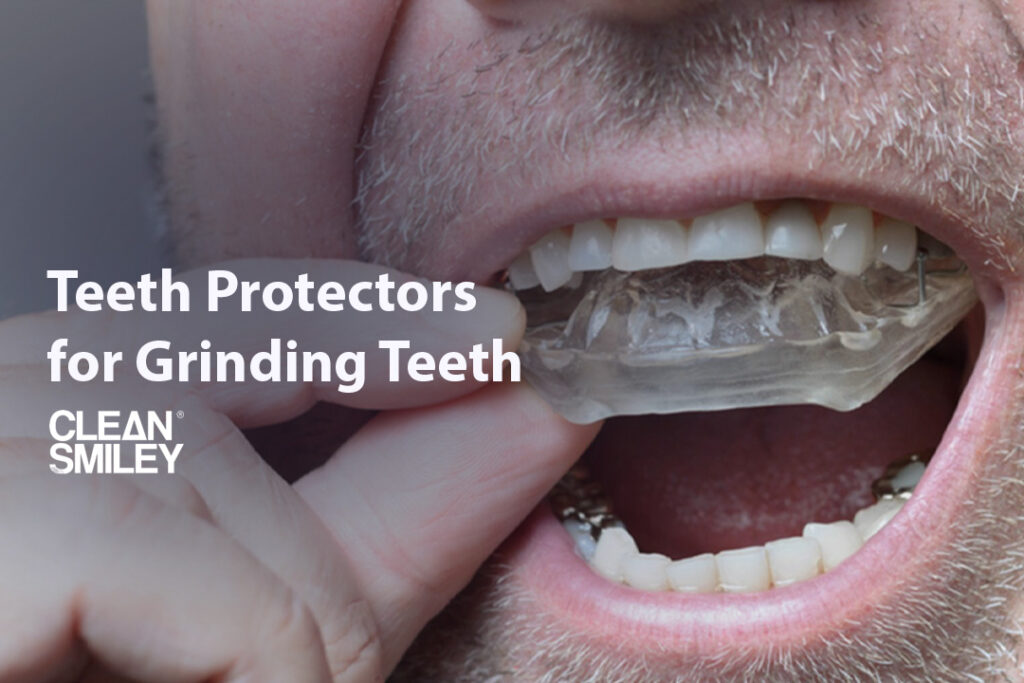
Advanced Angle: Can a Mouth Guard “Fix” TMJ?
Temporomandibular Joint disorders (TMJ) are the most painful result of teeth grinding. A night guard may not completely “cure” joint disease on its own, but it is the most critical part of the treatment. By increasing the distance between the upper and lower jaw, the guard relieves the joint space, lifts the pressure off the disc, and resolves muscle spasms. This provides the environment the body needs for the healing process to begin. In other words, the guard is the most effective way to manage the problem and stop the damage.
Conclusion: Investing in Your Future Smile
The investment you make in a teeth protector is much more economical than having to repair broken teeth, get porcelain veneers, or undergo jaw surgery in the future. This is not just a piece of plastic; it is a shield protecting the future of your smile.
As Clean Smiley Dental Clinic, we are ready to protect your teeth and offer you a sound sleep with our comfortable and durable night guards produced with measurements specific to you.