A Hollywood Smile is more than a dental procedure; it is a complete transformation of how the world perceives you and how you perceive yourself. Inspired by the luminous, camera-ready smiles of American film stars, this comprehensive treatment has evolved from a luxury reserved for celebrities into an accessible, science-driven makeover available to patients worldwide. In 2026, advances in digital design, material science, and minimally invasive techniques have made the Hollywood Smile more predictable, more natural, and more customizable than ever before.
What is a Hollywood Smile?
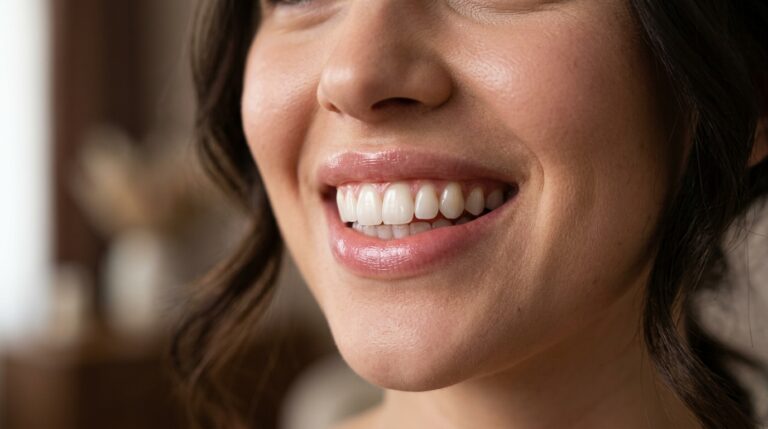
A Hollywood Smile is a full-mouth aesthetic restoration that addresses every visible tooth in the smile zone, typically the upper and lower front six to ten teeth, to create a harmonious, bright, and symmetrically balanced appearance. Unlike single-tooth treatments that correct isolated problems, a Hollywood Smile treats the smile as a unified composition. Tooth color, shape, size, alignment, gum line, and the relationship between the teeth and facial features are all redesigned simultaneously. The result is a smile that appears effortlessly perfect while remaining functionally sound.
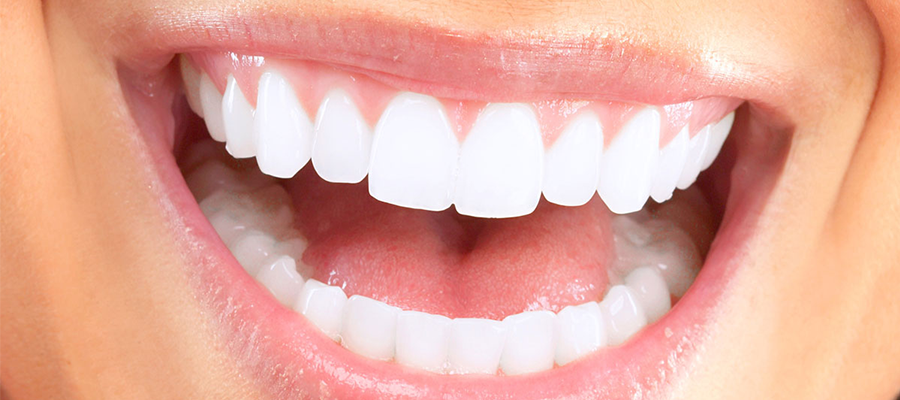
The 3 Pillars: Color, Alignment, and Shape
Every Hollywood Smile rests on three fundamental pillars. The first is color; a bright, uniform shade that conveys health and vitality without crossing into artificial territory. The second is alignment: teeth that follow a natural arch, are symmetrically positioned relative to the facial midline, and display correct proportional relationships from central incisors through canines. The third is shape: individual tooth forms that complement the patient’s facial structure, gender, age, and personality. When all three pillars are in balance, the smile looks simultaneously striking and believable. A failure in any single element, whether teeth that are too white, too uniform in shape, or misaligned relative to the lip line, compromises the entire result.
Hollywood Smile vs. Natural Smile
The distinction between a Hollywood Smile and a “natural” smile design lies primarily in the degree of idealization. A natural smile design aims to improve the existing dentition while preserving subtle imperfections, slight color gradients, minor size variations, and organic surface texture, so that the result looks as if the patient was simply born with excellent teeth.
A Hollywood Smile, by contrast, pursues a more idealized aesthetic: higher brightness, stronger symmetry, and more uniform tooth shapes. However, modern Hollywood Smile design has moved far beyond the monochromatic, flat-looking “chiclet teeth” of earlier decades. Today’s approach incorporates internal characterizations, translucency gradients, and surface texture to ensure that even a bold Hollywood Smile retains depth and vitality. The choice between these two philosophies is deeply personal and should be discussed thoroughly during the Digital Smile Design consultation phase.
How To Make Hollywood Smile?
Creating a Hollywood Smile is not a single procedure but an orchestrated sequence of treatments tailored to each patient’s unique anatomy and goals. The process typically begins with a comprehensive oral health assessment, including periodontal evaluation, radiographic analysis, and bite assessment. Any underlying issues such as gum disease, decay, or bite disorders must be resolved before aesthetic work begins.
Once the foundation is healthy, the smile is digitally designed using facial analysis and intraoral scanning, and the patient approves the design through a physical mock-up before any permanent alteration is made. Only then are the definitive restorations, whether veneers, crowns, bonding, or implant-supported prosthetics, fabricated and placed. This systematic, design-first approach is what separates a predictable, satisfying result from a gamble.
The Anatomy of Perfection: Smile Standards
Aesthetic dentistry relies on well-established standards that guide the design of an ideal smile. The American Academy of Cosmetic Dentistry has published guidelines emphasizing several critical parameters. The upper central incisors should be the dominant teeth in the smile, with a length-to-width ratio between 75 and 80 percent.
The incisal edges of the upper teeth should follow the curvature of the lower lip when smiling, creating a “smile arc” that conveys youth and dynamism. The midline of the upper central incisors should align with the facial midline, though slight deviations of up to two millimeters are generally imperceptible. The buccal corridor, the dark space visible between the back teeth and the cheek, should be minimized but not eliminated entirely; its complete absence can make the smile appear unnaturally wide.
Finally, the gingival margins of the central incisors and canines should be at the same height, with the lateral incisors sitting slightly lower, creating a balanced gum line that frames the teeth harmoniously.
Core Treatments Used in a Hollywood Smile
A Hollywood Smile is rarely achieved with a single material or technique. Instead, it combines multiple treatments, each selected for its specific advantages in different zones of the mouth.
Porcelain Veneers
Porcelain veneers, particularly Emax Veneers made from lithium disilicate glass-ceramic, are the cornerstone of most Hollywood Smile cases. Applied to the front surfaces of the visible teeth, Emax veneers replicate the translucency, color depth, and surface texture of natural enamel with extraordinary fidelity. Their flexural strength allows application in layers as thin as 0.3 to 0.5 millimeters, preserving maximum natural tooth structure. For front teeth where aesthetics are paramount, Emax remains the gold standard material in 2026.
Zirconia Crowns
When teeth have been significantly weakened by large fillings, root canal treatment, or structural damage, full-coverage Dental Crowns provide the necessary protection and aesthetics. Monolithic zirconia crowns, with a flexural strength of 900 to 1200 MPa, are the preferred choice for posterior teeth and for patients with bruxism. The latest generation of high-translucency zirconia has also made significant strides in anterior aesthetics. In comprehensive Hollywood Smile cases, a hybrid strategy is common: Emax for the front teeth where light transmittance matters most, and zirconia for the premolars and molars where durability is the priority.
Composite Bonding
Composite Bonding serves as either a standalone treatment for minor improvements or a complementary procedure within a larger Hollywood Smile plan. Composite resin can close small gaps, repair chips, and refine tooth edges in a single session without any tooth preparation. While its lifespan of five to seven years is shorter than porcelain, composite bonding offers reversibility and affordability that make it an excellent option for young patients or for fine-tuning areas that do not require full veneer coverage.
Dental Implants & Bridges
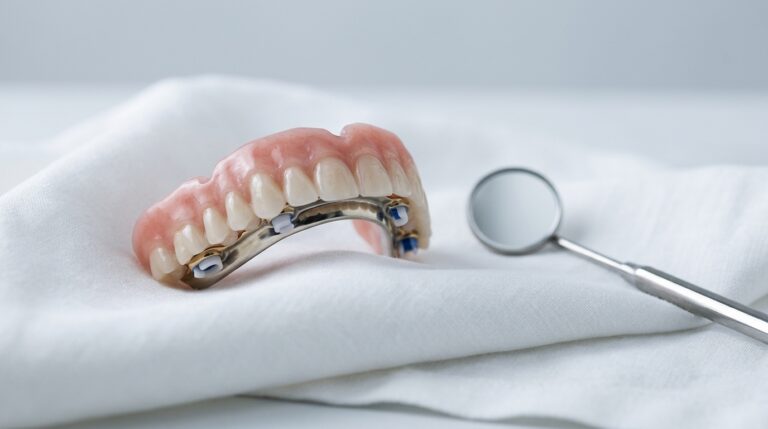
Missing teeth must be replaced before a Hollywood Smile can be finalized, and Dental Implants are the most advanced solution available. A titanium implant replaces the natural tooth root, preserving jawbone density and providing a stable foundation for a crown that integrates seamlessly with the adjacent veneers. For patients with multiple missing teeth, implant-supported bridges or full-arch solutions such as All on 4 and All on 6 concepts can restore an entire arch on just four or six implants, dramatically reducing surgical complexity and cost while delivering a fixed, permanent result.
Matching Teeth To Shape Of Your Face
One of the most overlooked aspects of smile design is the relationship between tooth shape and facial morphology. Research in dental aesthetics has identified three primary face shapes, oval, square, and tapered, and each corresponds to a tooth form that creates the most harmonious visual balance. Oval faces are complemented by softly rounded central incisors with gentle incisal curvature. Square faces pair well with broader, more angular teeth that echo the strong jawline.
Tapered or heart-shaped faces benefit from narrower, more delicate tooth forms that avoid overwhelming the lower third of the face. Gender also plays a role; masculine smile designs tend to feature flatter incisal edges and more angular line angles, while feminine designs often incorporate softer contours and slightly rounded incisal edges. An experienced smile designer evaluates these relationships during the Digital Smile Design phase, ensuring that the final result looks not just beautiful in isolation but perfectly integrated with the patient’s unique facial canvas.
Step By Step Hollywood Smile Procedure
The Hollywood Smile procedure is a systematic journey that unfolds over several carefully planned stages. Each phase builds upon the previous one, ensuring that the final result meets the patient’s expectations with precision.
Step 1: Consultation & Digital Smile Design (DSD)
The journey begins with a comprehensive consultation. Facial photographs, video recordings of natural speech and smiling, and high-resolution intraoral scans are captured and imported into AI-powered DSD software. The software analyzes facial symmetry, lip dynamics, tooth-to-face proportions, and smile width to generate a digital blueprint of the ideal smile. This digital design is presented to the patient on screen, discussed in detail, and refined until full approval is achieved.
Step 2: Preparation & Mock-ups
Once the digital design is finalized, a three-dimensional mock-up is fabricated and placed directly over the patient’s existing teeth using temporary composite or acrylic material. This “test drive” allows the patient to see, feel, and live with their new smile for a period before any permanent changes are made. Does the size feel natural?
Is the color compatible with the skin tone? Is speech comfortable? All these questions are answered during this phase, and adjustments are made accordingly. Only after patient approval does tooth preparation begin. Depending on the material selected, preparation ranges from 0.3 millimeters for minimal-prep Emax veneers to 1.5 millimeters for full-coverage zirconia crowns.
Step 3: Lab Creation
Precise digital impressions of the prepared teeth are transmitted to the dental laboratory, where master ceramists fabricate the definitive restorations. For Emax veneers, the process involves either CAD/CAM milling from lithium metasilicate blocks followed by crystallization at 840°C, or the press technique where molten ceramic is injected into a mold under pressure. For the most aesthetically demanding cases, hand-layering is applied: the ceramist builds up layers of porcelain with varying translucency and opacity, replicating the internal color transitions and surface characterizations of natural teeth. This phase typically takes five to ten working days.
Step 4: Final Bonding & Occlusion Check
The completed restorations are tried in the mouth for fit, color, and aesthetic verification. Once approved, each veneer or crown is bonded to the prepared tooth using adhesive resin cement under isolation conditions. After bonding, the occlusion (bite) is meticulously checked and adjusted to ensure that all teeth contact evenly during chewing and that no single restoration bears disproportionate force. A final polish completes the process, and the patient leaves with their definitive Hollywood Smile.
The Average Cost of a Hollywood Smile (2026)
Hollywood Smile costs vary significantly depending on the number of teeth treated, the materials used, and the geographic location of the clinic. Understanding the cost structure helps patients plan their investment accurately.
Hollywood Smile – Price Breakdown by Procedure (2026)
| Procedure | United States (Per Tooth) | United Kingdom (Per Tooth) | Turkey (Per Tooth) |
| Emax Porcelain Veneers | determined individually | determined individually | ≈ determined individually (≈ determined individually) |
| Zirconia Crowns/Veneers | determined individually | determined individually | ≈ determined individually (≈ determined individually) |
| Composite Bonding | determined individually | determined individually | ≈ determined individually (budget option) |
| Single Dental Implant | determined individually | determined individually | ≈ determined individually (varies by clinic & brand) |
Estimated Total Cost for a Full Hollywood Smile (20 Teeth)
| Country | Estimated Total Cost (20 Teeth) |
| United States | determined individually |
| United Kingdom | determined individually |
| Turkey | ≈ determined individually (much more affordable overall) |
Prices are for informational purposes only. Please consult your dentist or clinic for an exact quote.
Location Factors: USA/UK vs. Turkey
Turkey has established itself as one of the world’s leading destinations for dental tourism, and the Hollywood Smile is among the most sought-after treatments. The cost advantage is substantial: patients can expect to pay a fraction of US or UK prices while receiving treatment at internationally accredited clinics equipped with the latest digital technology and staffed by experienced specialists. The price difference is not a reflection of lower quality but of lower operating costs, favorable exchange rates, and the intense competitive environment of Turkey’s dental tourism sector.
At Clean Smiley Turkey, Hollywood Smile packages include Digital Smile Design, intraoral scanning, mock-up, veneer or crown fabrication and placement, follow-up sessions, hotel accommodation, and airport transfer. Combined with the opportunity to enjoy a Mediterranean holiday in Antalya, the experience transforms dental treatment into a rewarding journey. To learn the exact cost for your case, request a free quote.
Pros And Cons
Every transformative treatment carries both advantages and limitations, and an informed patient is a satisfied patient.
The psychological impact of a Hollywood Smile extends far beyond aesthetics. Research published in the American Journal of Orthodontics and Dentofacial Orthopedics has demonstrated that an attractive smile significantly influences social perceptions of intelligence, friendliness, and professional competence.
Patients consistently report dramatic improvements in self-confidence, willingness to smile openly, and comfort in social and professional settings following smile makeover treatment. Functionally, properly designed restorations also improve bite balance, protect weakened teeth, and can even enhance phonetics.
The Downsides: Irreversibility & Sensitivity
The most important consideration is that tooth preparation for veneers and crowns is irreversible. Once enamel is removed, the tooth will always require a restoration. Patients may experience temporary sensitivity to cold and hot stimuli in the days following bonding, though this typically resolves within one to two weeks.
In rare cases, a tooth may require root canal treatment if the preparation approaches the pulp. Additionally, restorations have a finite lifespan; even the most durable Emax veneers and zirconia crowns will eventually need replacement after 15 to 20 years. Patients must be fully aware of these realities and factor them into their long-term planning.
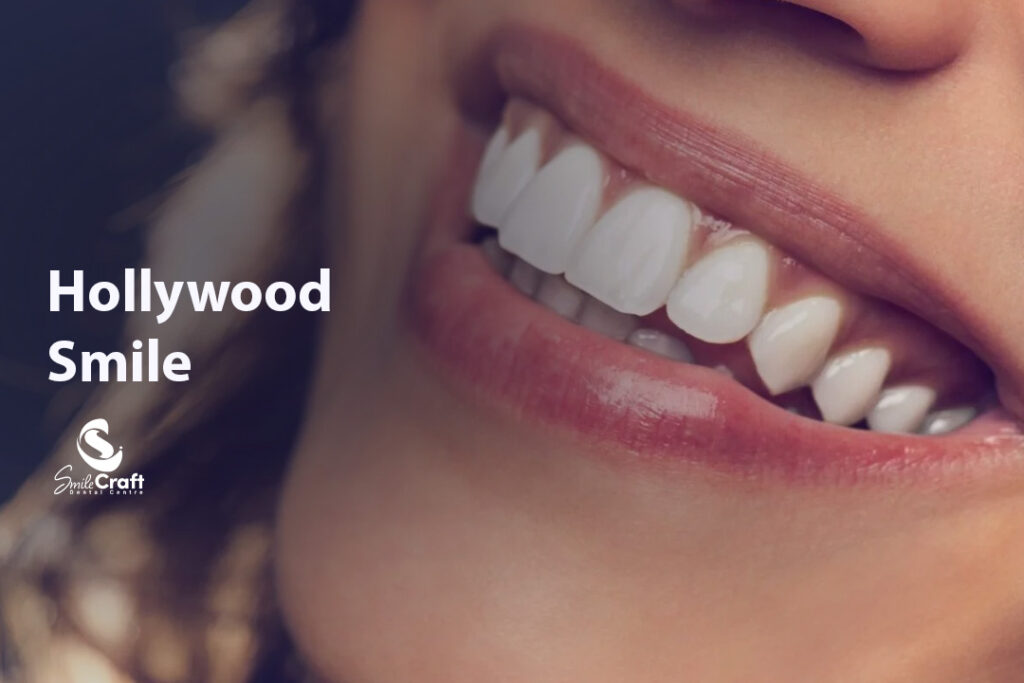
Maintenance & The “Lifecycle” of Your Smile
A Hollywood Smile can deliver 15 to 20 years of service or more, but only with proper maintenance. Daily care should include a soft-bristled toothbrush, non-abrasive toothpaste, and thorough interproximal cleaning with dental floss or a water flosser. Alcohol-based mouthwashes should be avoided, as alcohol can weaken the adhesive bond of the resin cement over time.
Patients with bruxism must wear a custom night guard to protect the restorations from excessive force. Professional dental cleaning and check-ups every six months are essential for monitoring restoration margins, gum health, and bite stability. Avoiding habits such as biting directly into hard foods, nail biting, pen chewing, and using teeth as tools are practical measures that significantly extend the life of the restorations. The same maintenance principles apply whether your restoration is a Hollywood Smile, a set of Emax Veneers, or a full-arch All on 4 prosthetic.
Frequently Asked Questions
Does the procedure hurt?
The vast majority of patients report minimal discomfort throughout the Hollywood Smile process. Tooth preparation is performed under local anesthesia, so the procedure itself is painless. Some patients experience mild sensitivity for a few days after preparation and after final bonding, but this resolves quickly with over-the-counter pain relief and desensitizing toothpaste. Patients with dental anxiety can discuss sedation options with their clinician.
Can I eat apples and hard foods?
Once the final restorations are bonded and the occlusion is verified, you can eat most foods comfortably. However, biting directly into very hard items such as whole apples, raw carrots, ice cubes, or hard candies with your front teeth is not recommended. Cutting hard foods into smaller pieces before eating distributes the force across multiple teeth and dramatically reduces the risk of veneer chipping or fracture.
Can I whiten my veneers later?
Porcelain and zirconia restorations do not respond to chemical whitening agents; their color is set permanently during fabrication. This is why selecting the correct shade during the design phase is so important. If your natural teeth adjacent to the restorations darken over time, professional Teeth Whitening can be applied to the natural teeth to restore color harmony. Planning the whitening before the Hollywood Smile procedure ensures that the veneer shade is matched to the brightest version of your natural teeth.
What happens to my natural teeth underneath?
Prepared teeth remain alive and functional beneath the restorations. The enamel that was removed is replaced by the veneer or crown, which bonds to the remaining tooth structure and restores its original contour and strength. Proper oral hygiene is essential to prevent decay at the restoration margins where the veneer meets the natural tooth. Regular professional monitoring ensures the long-term health of the teeth underneath.
Does insurance cover a Hollywood Smile?
Most insurance plans classify a Hollywood Smile as an elective cosmetic procedure and do not provide coverage. Some plans may partially cover components that have a functional justification, such as crowns for structurally compromised teeth or implants for missing teeth, but the aesthetic veneer component is typically excluded. Patients should verify their specific plan details and consider the significant cost savings available through dental tourism in Turkey as an alternative pathway to their ideal smile.
Conclusion
A Hollywood Smile is the pinnacle of aesthetic dentistry, a comprehensive, multi-disciplinary treatment that transforms the entire visible dentition into a harmonious, confident, and radiant smile. The combination of Digital Smile Design, advanced materials like Emax and zirconia, and meticulous clinical execution has made this once-exclusive treatment accessible, predictable, and remarkably natural in its results. However, a Hollywood Smile is only as good as the planning behind it; the correct facial analysis, the right material selection, the honest mock-up evaluation, and the disciplined maintenance routine are what separate an exceptional outcome from a mediocre one.
Your smile is your most powerful social asset, and it deserves the best possible investment. To begin your Hollywood Smile journey amidst the stunning Mediterranean beauty of Antalya, contact Clean Smiley Turkey. Our expert team will guide you from digital design to final application, with hotel accommodation and tours that make your treatment an unforgettable experience. Request your free quote today.