“Bone color” is one of those terms patients land on after browsing online photos of dental work and noticing something they cannot quite name. The smile in the picture is bright. The shade behind the teeth — where the gum meets the bone — looks particular. They search for “bone color” or “bone shade” and find a confusing mix of orthodontic, prosthodontic, and aesthetic articles, none of which give a clean answer. This piece is our attempt at one.
In dentistry, “bone color” comes up in two practical contexts. The first is the visible bone-related shade behind the teeth — the appearance of the alveolar bone, the gum line, and the way it interacts with tooth shade. The second is the question of bone shade for restorative dentistry, particularly in patients with thin gums, recession, or implant cases where the bone interface affects the final aesthetic. Both contexts matter, and patients ask about both at our chair at Clean Smiley Turkey.
What patients usually mean by “bone color”
When we trace the question back through consultation conversations, the most common meanings are these:
- The colour of the gum line and the bone underneath — usually a pinkish hue with subtle white-yellow undertones from the bone showing through thin gum tissue. Healthy alveolar bone is a creamy off-white, similar to dentin colour, sometimes with very faint yellow undertones.
- The colour difference between gum tissue and adjacent tooth shade — particularly visible in patients with high lip lines or thin gum biotypes where the bone showthrough is more apparent.
- The shade of a tooth that has lost vitality or undergone trauma — sometimes described colloquially as “the tooth looks bone-coloured,” referring to a greyish or off-white discoloured tooth.
- The expected shade of restorative material in an implant case — when patients want to know what colour the bone-supported part of their final restoration will look like next to the visible crown.
Each meaning has a different clinical implication and a different practical answer.
The natural colour of healthy alveolar bone
Alveolar bone — the bone of the jaw that holds the teeth — is naturally a pale, off-white colour with very subtle yellow undertones. In healthy patients with normal gum thickness, this bone is not visible. The gum tissue and a thin layer of cortical bone underneath produce the pinkish gum-line colour patients see in the mirror.
When the gum biotype is thin — common in people with naturally fine features or those with mild recession — the underlying bone influences the gum colour more visibly. The gum line takes on a slightly paler, more cream-toned appearance. This is sometimes mistaken for “the bone showing through” and is a real aesthetic factor in smile design, particularly for veneer cases on the upper front teeth.
Why bone colour matters in dental aesthetics
For most patients, the colour of alveolar bone is irrelevant to daily life. It becomes a clinical consideration in three specific scenarios.
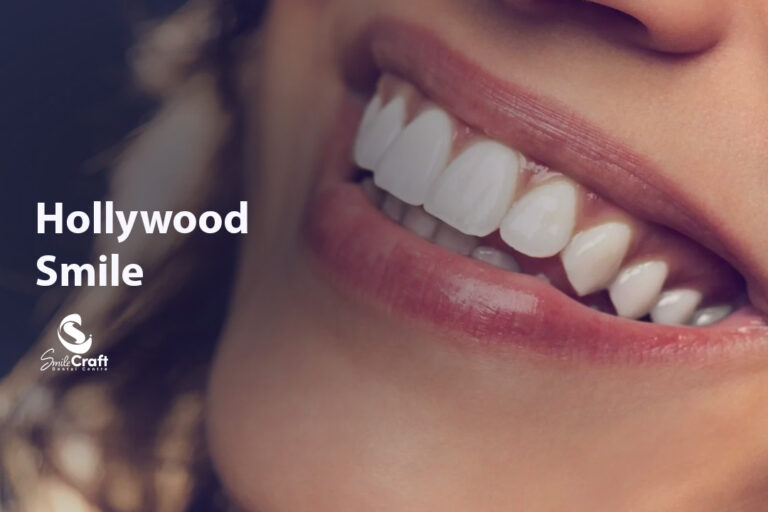
High lip-line cases. Patients whose upper lip rises high during a wide smile reveal not just the teeth but the gum margin and sometimes a hint of the underlying tissue. The colour interaction between the gum, the bone underneath, and the tooth shade affects how a smile design reads aesthetically. A bright A1 veneer next to a gum line with a visible cream-coloured bone showthrough can look slightly mismatched.
Implant cases with thin biotype. When a single front-tooth implant is placed in a patient with thin gum tissue, the metal of the implant abutment can sometimes show through the gum as a slight grey shadow. The bone surrounding the implant supports the gum architecture, and bone volume affects whether the gum sits naturally over the implant or thins out and reveals the structure beneath.
Patients with severe recession. When gum recession exposes part of the tooth root, the visible area is sometimes near the gum margin where the bone has retreated as well. The yellowish-grey appearance in this zone is partly the exposed root surface and partly the influence of the underlying bone level. Treatment combines gum graft, bone preservation, and shade matching.
Tooth shade versus bone shade — they are not the same
A common confusion in patient conversations is between tooth shade (the colour of the visible tooth itself) and the surrounding tissue colour. The two operate on different scales.
Tooth shade is described on systems like VITA Classical (A1, A2, B1, etc.). Bone and gum colour are described separately, often using gum biotype categories (thin, medium, thick) and pigmentation classifications. When a dentist talks about a “bone-coloured” tooth, they usually mean a discoloured tooth that has lost its natural translucency — sometimes after trauma, after a root canal, or as a sign of internal change. This is closer to the C or D groups on the VITA Classical scale, which carry grey undertones.
For more on the lightest end of the tooth shade scale, our piece on A1 tooth shade covers the natural-bright range in detail.
When a tooth turns “bone-coloured” — what it can mean
If a patient comes in describing one of their teeth as looking “bone-coloured” — meaning duller, greyer, or paler than the neighbouring teeth — the clinical possibilities are specific.
- Loss of vitality. A tooth whose nerve has died slowly loses translucency and takes on a greyish off-white tone. This often follows past trauma or deep decay and is sometimes the first visual sign of internal change.
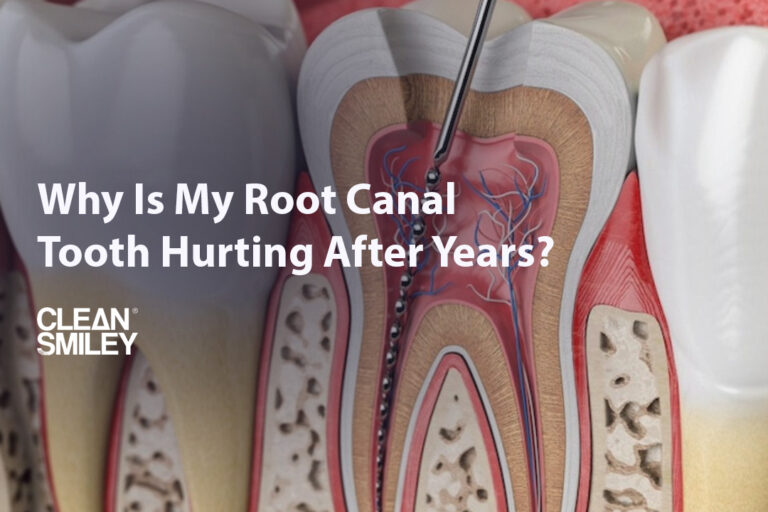
- Old root canal treatment. Some endodontically treated teeth darken slightly over years because the inner dentin changes after the nerve and pulp have been removed. The shift is usually subtle and gradual.
- Tetracycline staining. A history of tetracycline antibiotic exposure during tooth development can produce a band-like greyish hue across multiple teeth, sometimes described as bone-toned.
- Fluorosis. White or chalky patches from fluoride exposure during tooth development can produce a paler, more bone-like overall appearance.
- Old composite filling. Composite fillings that have lost their original colour match over years can give a tooth a duller, off-white appearance compared to its neighbours.
Each of these has a different treatment route. A non-vital tooth often benefits from internal whitening after root canal. Tetracycline staining and fluorosis respond well to veneers in moderate cases and to composite bonding in milder ones. Old composite fillings can be replaced and re-shaped to match the surrounding shade.
Bone preservation around implants and aesthetics
For implant patients, the long-term aesthetic outcome depends on the bone around the implant as much as on the implant itself. The gum drapes over the bone. The bone supports the gum architecture. Bone loss around an implant — even mild — can produce a slight darkening at the gum line as the underlying bone retreats and the soft tissue thins.
This is why bone preservation matters in implant planning. Surgical placement that respects the bone volume, attachment of restorative components that do not cause gum recession, and patient maintenance with the right cleaning routine all combine to keep the bone supporting the gum at its original colour and contour. Our overview of dental implants and the related bone grafting options covers the surgical side of bone preservation in detail.
How we discuss “bone color” with patients in consultation
When a patient brings up “bone colour” in a consultation, our first job is to translate what they actually mean. Are they describing a tooth that has changed colour? Are they worried about how an implant will look at the gum line? Are they asking about veneer cases and gum biotype interaction? Each of these conversations leads to a different examination and a different plan.
For a colour-changed tooth, the steps are clinical examination, vitality testing if needed, X-ray imaging to check for root issues, and a discussion of the realistic treatment options — internal whitening, veneer, composite bonding, or, in some cases, extraction and implant. For implant aesthetic concerns, the steps are imaging, biotype assessment, and a discussion of how the planned implant case will interact with the soft tissue and bone around it. For veneer aesthetic planning in patients with thin biotype, the conversation includes shade choice, gum biotype management, and sometimes a gum graft alongside the veneer plan.
What patients tell us after addressing a “bone-coloured” tooth
The most common feedback from patients who came in with one tooth looking duller than its neighbours and left with it treated — usually through internal whitening or a single veneer — is the same: the visual difference they had been seeing in the mirror for years disappears. The smile reads as even-coloured again, and they stop covering their mouth in photographs in the way they had become used to.
The patients who chose internal whitening for a non-vital front tooth and stayed with that approach at one and three years report that the result has held in most cases. The patients who chose a veneer for tetracycline or trauma staining describe the outcome as “permanent in feel” — they forget which tooth was treated.
Frequently asked questions about bone color in dental context
What does “bone color” mean in dentistry?
It is not a single official term. Most commonly it refers either to the natural off-white shade of alveolar bone, the way bone showthrough affects gum colour in thin biotypes, or — informally — to a tooth that looks duller and more grey-white than its healthy neighbours.
What is the natural colour of jawbone?
Healthy alveolar bone is a pale, off-white colour with subtle yellow undertones, similar to dentin. In most patients it is not visible — the gum tissue covers it. In thin gum biotypes the bone colour subtly influences the gum’s appearance, especially at the upper front teeth.
Why does my tooth look bone-coloured compared to the others?
The most common reasons are loss of vitality (a tooth whose nerve has died), an old root canal that darkened over years, tetracycline staining, fluorosis, or an old composite filling that has lost its colour match. Each has its own treatment route, ranging from internal whitening to a veneer.
Does bone colour affect veneer or crown aesthetics?
In patients with thin gum biotype and a high lip line, yes — the underlying bone showthrough at the gum line can influence how a bright veneer reads next to it. In patients with normal or thick biotype it is rarely a factor. This is part of the smile design discussion before the impressions are taken.
Can a “bone-coloured” tooth be whitened?
It depends on the cause. A non-vital tooth often responds well to internal whitening after a root canal. Tetracycline staining and fluorosis usually do not whiten predictably with external whitening and are addressed with veneers or bonding. The route is decided after clinical examination and imaging.
How does bone health affect implant aesthetics over time?
The bone supports the gum, and the gum drapes over the implant. Bone loss — even mild — can thin the gum and slightly darken the appearance at the gum line. Bone preservation through careful surgical placement, well-fitting restorative components and proper hygiene all keep the long-term aesthetic stable.
Our approach starts with translation — making sure we and the patient are talking about the same thing. From there, the path is clinical examination, imaging where needed, and a written plan that lays out the realistic options in plain language. Whether the question is about a single tooth that changed colour, an implant aesthetic concern, or a veneer plan in a thin biotype, the principle is the same: the plan should match what is actually happening in your mouth, not a generic answer.
If you have noticed a tooth that looks paler or duller than the others, or if you are weighing a veneer or implant plan and want a clinic-honest view on how the gum and bone will interact with the final aesthetic, you can reach us through the contact form or WhatsApp. We will look at your case and walk through the options before any decision.