Son güncelleme: 20 Ağustos 2026
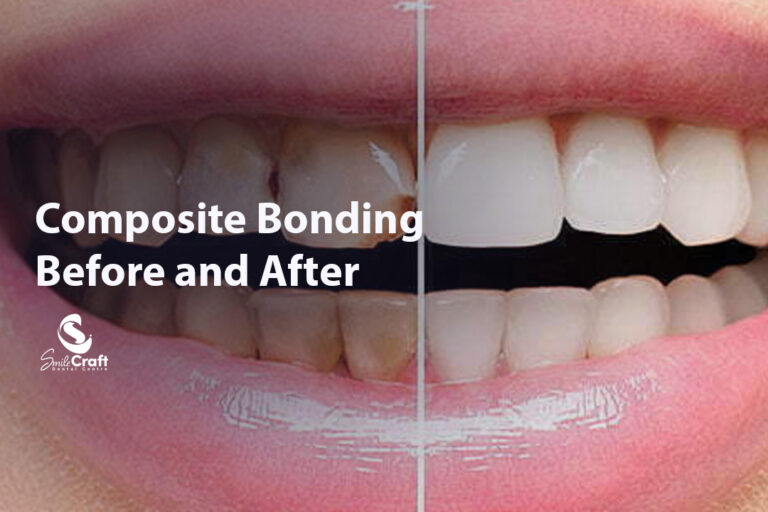
Most people who ask us about composite bonding have already spotted one specific thing in the mirror: a chip, a gap, a tooth that sits a shade darker than the rest. The question underneath is almost always the same. Is this a quick fix, or am I in for something bigger? In most of these cases composite bonding is the lighter option, and that is exactly why it gets so much attention.
Here is what it actually is. Composite bonding is a procedure where we apply a tooth-coloured resin to the surface of a tooth, shape it by hand, and harden it with a curing light. No drilling into healthy enamel in the way a crown would need, no lab waiting times in straightforward cases. The whole thing usually happens in one visit. Below we walk through what to expect before, during, and after, plus the part people forget to ask about until the bill arrives: insurance.
What is composite bonding, exactly?
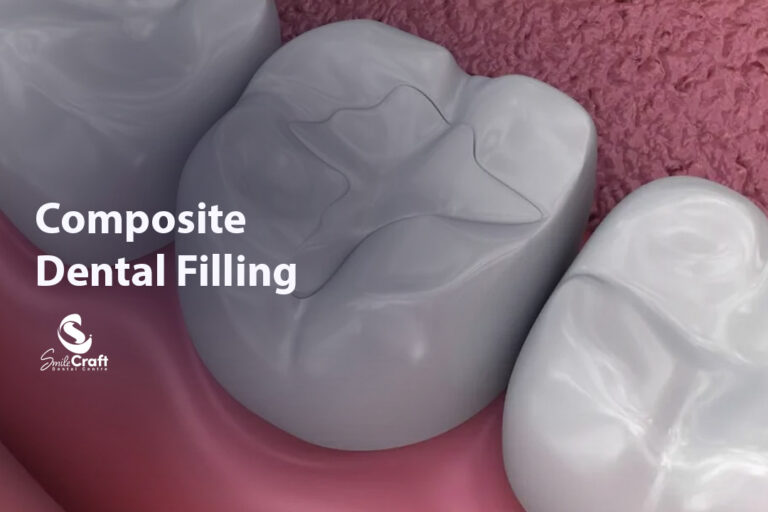
Composite bonding is a cosmetic and restorative technique that builds up or reshapes a tooth using a resin material matched to your natural colour. We bond the resin directly to the tooth, sculpt it while it is still soft, then cure it so it sets hard within seconds.
The material itself is the same family of composite used in white fillings. The difference is how it is applied. A filling repairs a cavity inside the tooth. Bonding works on the visible surface and the edges, where shape and colour matter as much as function. Because we are adding material rather than cutting the tooth down, in many cases little or no enamel is removed. That is the part patients find reassuring once we explain it.
What problems does it solve?
- Chipped or slightly cracked front teeth
- Small gaps between teeth (often called diastema)
- Teeth that look shorter or worn at the edge
- Surface stains that whitening alone will not lift
- Minor shape or alignment irregularities that do not need orthodontics
For deeper structural damage, heavy wear, or a tooth that has lost a large portion of its body, bonding may not be the right tool. That is a call we make at the chair, not from a photo. A proper examination, and usually an x-ray, tells us whether the tooth underneath can support cosmetic work in the first place.

What happens during a composite bonding appointment?
The short version: clean, prepare, apply, shape, cure, polish. One sitting for one or two teeth in most cases. Here is the longer view, because knowing the order tends to settle nerves.
First we clean the tooth and check the shade. Matching colour is where the artistry lives, and it is the step we never rush. We lightly roughen the surface and apply a conditioning gel so the resin grips properly. Then comes a thin bonding agent. After that we place the composite in layers, sculpting each one to the right contour before a curing light sets it. The last steps are trimming, refining the bite, and polishing until the surface catches light like natural enamel.
Most patients do not need an anaesthetic, since we are not drilling into the nerve area. If a small amount of preparation is needed near a sensitive edge, we discuss numbing first. You stay awake, you can see what is happening, and you can speak up at any point if something feels off.
How long does it take?
Roughly 30 to 60 minutes per tooth, though that range shifts with how much reshaping is involved. A single chipped corner is quick. Rebuilding the edge of a worn tooth and blending it into the neighbours takes longer because the layering and polishing carry more weight. We would rather take the extra time than hand you a result that reads as obvious.
Does composite bonding hurt?
For most people, no. The procedure works on the outer surface of the tooth, so the nerve is rarely disturbed. That is the main reason anaesthetic is often skipped. You might feel pressure while we shape the material, or a brief cool sensation from the air and water, but sharp pain is not the typical experience.
Some sensitivity to hot or cold can show up for a day or two afterwards, particularly if any preparation was done close to the gum line. It usually settles on its own. If it lingers or sharpens, that is worth a message to us rather than waiting it out, because it can point to something the examination needs to revisit.
How long does composite bonding last?
Composite bonding generally holds up for several years, and the upper end of that depends heavily on habits. Resin is durable, but it is not as hard as natural enamel or porcelain. It can chip or stain over time, which is the honest trade-off for a treatment that is fast, gentle on the tooth, and repairable.
What shortens its life is fairly predictable. Biting nails, chewing pens, opening packaging with your teeth, grinding at night. Coffee, red wine, and tobacco can dull the colour the way they would dull anything. The good news is that bonding is easy to touch up. If an edge chips or the shade drifts, we can usually repair or refresh it without redoing the whole tooth.
How do I make it last longer?
- Brush twice a day and floss; bonded teeth get no special pass on plaque
- Avoid using your teeth as tools (the package-opening habit is the classic offender)
- Cut back on staining drinks, or rinse with water after them
- If you grind your teeth, ask us about a night guard
- Keep up with routine check-ups so small chips get caught early
Composite bonding vs veneers: which is right for me?
This is the comparison patients wrestle with most, so it deserves a clear answer rather than a sales pitch. The two treatments overlap but are not interchangeable.
| Factor | Composite bonding | Porcelain veneers |
|---|---|---|
| Tooth preparation | Minimal, often none | Usually some enamel removed |
| Appointments | Often one visit | Typically two or more |
| Material | Resin, sculpted at the chair | Porcelain, made in a lab |
| Longevity | Several years; repairable | Longer-lasting; harder to repair |
| Stain resistance | Lower; can discolour over time | Higher |
| Reversibility | More reversible | Less reversible once enamel is shaped |
If you want a fast, conservative fix for a chip or a small gap and you like the idea of keeping your options open, bonding tends to fit. If you are after a long-term change across several teeth and stain resistance is a priority, veneers may be the better route. There is no universally correct answer here. The right choice comes out of looking at your teeth, your bite, and what you actually want changed. If you want to read more about the procedure itself, our composite bonding page goes into the technique in more depth.
Does insurance cover composite bonding?
Short answer: often not, but it depends on why the bonding is being done. This is the question that catches people out, so it is worth slowing down on.
Insurers usually split dental work into two buckets. Restorative treatment, done to repair function or fix damage, has a better chance of qualifying for some coverage. Cosmetic treatment, done to improve appearance, typically sits outside what a standard policy pays for. Composite bonding lands on whichever side the reason for treatment puts it.
When bonding might be covered
If a tooth has chipped or fractured through injury, or bonding is being used to restore a tooth after decay, an insurer may treat it as restorative. In that situation part of the cost can sometimes fall within your plan. The wording of your specific policy decides this, not a general rule.
When it usually is not
If the goal is purely aesthetic, closing a small gap you have always disliked, brightening a single tooth, evening out edges, most plans class that as elective. Cosmetic bonding then generally comes out of pocket.
Two practical steps save a lot of frustration. Ask your insurer directly whether your policy distinguishes restorative from cosmetic bonding, and request that distinction in writing. Then ask us for documentation that describes the clinical reason for the treatment, since that paperwork is what an insurer assesses. We cannot promise what your provider will decide, but we can make sure the clinical side is clearly recorded so you are not arguing your case with a gap in the file.
Who is a good candidate for composite bonding?
Bonding suits people with generally healthy teeth and gums who want to correct minor cosmetic or structural issues without a major procedure. If your gums are inflamed or there is untreated decay, those come first; you cannot bond over an active problem and expect it to hold.
Heavy grinders are a more nuanced case. Bonding can still work, but the edges take more punishment, so a night guard often becomes part of the plan rather than an optional extra. People who smoke or drink a lot of staining beverages can absolutely get bonding, they just need realistic expectations about colour over time. The only way to know for certain whether you are a candidate is an in-person assessment, because the tooth underneath has the final vote.
Frequently Asked Questions
Is composite bonding permanent?
No, and that is part of its appeal. Bonding is durable but not permanent; it can be repaired, adjusted, or removed more easily than treatments that reshape the tooth. Most cases last several years before a refresh is worth considering.
Can composite bonding be whitened?
The resin itself does not respond to whitening the way natural enamel does. If you are planning to whiten your teeth, it is usually best to do that first and then match the bonding to the brighter shade, so the colours line up.
Will the bonded tooth look fake?
Done carefully, it should not. The result depends on shade matching, layering, and polishing. A well-finished bonding catches light and blends with the surrounding teeth, which is why we treat the polishing stage as seriously as the shaping.
Can composite bonding fix a gap between my front teeth?
Small to moderate gaps, yes, in many cases. We add resin to the adjacent surfaces to close the space. Larger gaps, or ones linked to bite issues, may need a different approach, which is something the examination clarifies.
How should I care for bonded teeth?
Treat them like natural teeth, with one bit of extra caution: avoid biting hard objects and using your teeth as tools. Brush and floss normally, keep up with check-ups, and ask about a night guard if you grind.
What happens if my bonding chips?
It is usually a straightforward fix. Because bonding is added in layers, a chipped edge can often be repaired or topped up without redoing the entire tooth. Get it looked at promptly so a small chip does not turn into a larger one.
A few final thoughts
Composite bonding earns its popularity by being quick, gentle on the tooth, and easy to live with. It is not the answer to every dental concern, and it is not designed to be. For a chip, a gap, or a tooth that has always bothered you, it is one of the most reversible cosmetic options on the table. The two things worth pinning down before you book are whether your case is cosmetic or restorative (that decides the insurance conversation) and whether the tooth underneath is healthy enough to support the work.
If you want to know which option fits your situation, the most useful next step is a proper assessment rather than a guess from a photo. Reach out through our appointment form or message us, and we can talk through what your teeth actually need.
This article is for general information and does not replace a clinical examination. An accurate plan can only be made after an in-person assessment of your teeth and gums.
Related Articles