Investing in veneers is one of the most impactful decisions you can make for your smile, but it is also a decision that should be measured in decades, not months. The question “how long do veneers last” is not just about material durability; it is about understanding what determines whether your restoration thrives for 20 years or fails in five.
The answer depends on the type of veneer material, the quality of the preparation and bonding, your daily habits, and the consistency of your maintenance routine. This guide provides an honest, evidence-based breakdown of veneer lifespan by material type, explains the most common reasons for failure, and gives you actionable strategies to protect your investment for as long as clinically possible.
What Is Veneer?
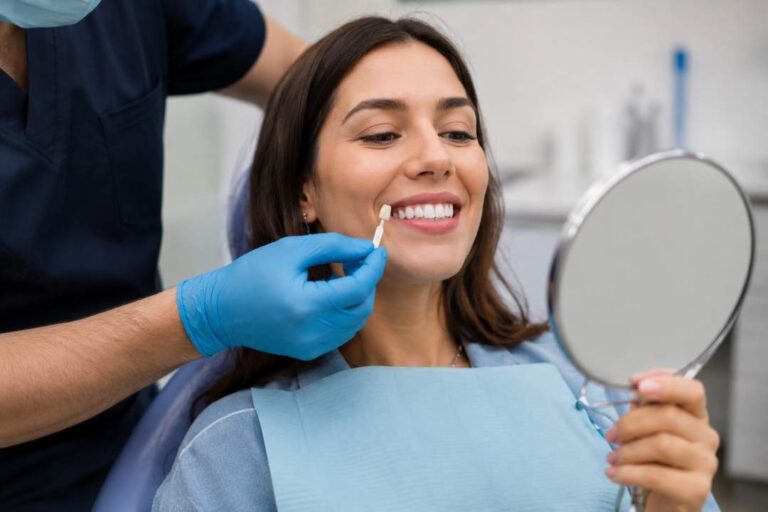
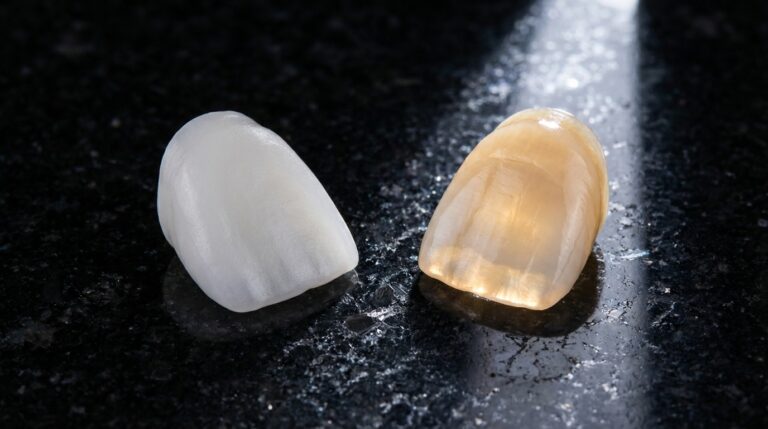
A veneer is a thin shell of restorative material bonded to the front surface of a tooth to improve its color, shape, size, or alignment. Think of it as a custom-made facade that transforms the visible face of the tooth while preserving the majority of the natural structure underneath. Veneers are one of the cornerstones of cosmetic dentistry and are the primary building block of smile makeover treatments including Hollywood Smile design.
The concept is straightforward but the execution is highly technical. The tooth surface is prepared by removing a controlled thickness of enamel, typically 0.3 to 0.7 millimeters depending on the material and the clinical situation. A precise impression or digital scan captures the prepared tooth, and the veneer is fabricated in a dental laboratory to exact specifications of color, translucency, shape, and surface texture.
Once returned from the lab, the veneer is bonded to the tooth using adhesive resin cement, creating a chemical and micromechanical connection that is remarkably strong when performed correctly. The American Academy of Cosmetic Dentistry recognizes veneers as one of the most requested and most satisfying cosmetic dental procedures worldwide, with patient satisfaction rates consistently exceeding 90 percent across published clinical studies.
Average Lifespan of Veneers
The average lifespan of veneers varies significantly depending on the material, but as a general benchmark, most patients can expect their veneers to function well for 10 to 20 years before replacement becomes necessary. A systematic review published in the Journal of Dentistry analyzed clinical studies spanning up to 20 years and reported that porcelain veneers demonstrate an annual failure rate of less than 2 percent, with cumulative survival rates of approximately 89 to 93 percent at the 10-year mark. Composite veneers show a shorter but still respectable functional life, with average replacement needed at the 5 to 8 year point.
However, these are averages. Individual veneer longevity can fall well below or well above these figures depending on factors that are largely within the patient’s and the clinician’s control. A perfectly bonded Emax veneer on a patient with excellent hygiene, no bruxism, and regular professional maintenance can comfortably exceed 20 years. Conversely, the same veneer on a patient who grinds their teeth, neglects oral care, and skips check-ups may fail within five to seven years. Understanding the variables that influence how long veneers last empowers you to land on the favorable end of the spectrum.
Lifespan Breakdown by Veneer Material
Not all veneers are created equal. The material from which your veneer is fabricated is the single most influential factor determining its longevity, stain resistance, and aesthetic stability over time.
Porcelain Veneers
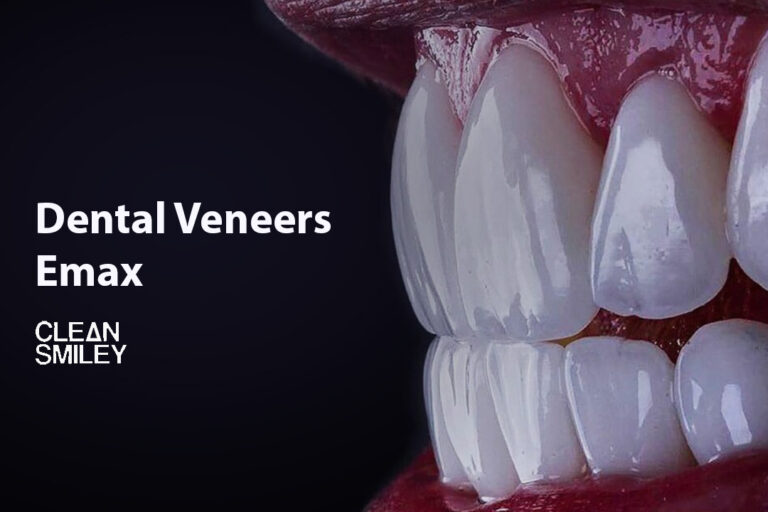
Porcelain veneers, particularly those made from lithium disilicate glass-ceramic (Emax Veneers), represent the gold standard in veneer longevity and aesthetics. Emax offers a flexural strength of approximately 400 to 500 MPa, three to four times higher than traditional feldspathic porcelain, while maintaining the translucency and light transmittance that make it nearly indistinguishable from natural enamel. This combination of strength and beauty is why Emax has become the material of choice for the majority of veneer cases worldwide.
| Property | Emax (Lithium Disilicate) | Traditional Feldspathic Porcelain |
| Average lifespan | 15 – 20+ years | 10 – 15 years |
| Flexural strength | 400 – 500 MPa | 60 – 120 MPa |
| Stain resistance | Excellent | Excellent |
| Translucency | Near-identical to natural enamel | Good to excellent |
| Minimum thickness | 0.3 – 0.5 mm | 0.5 – 0.7 mm |
| Color stability | Exceptional over decades | Very good |
The superior strength of Emax allows thinner preparations, which means more natural enamel is preserved during the bonding surface, and a higher percentage of enamel bonding translates directly into stronger adhesion and longer clinical life. Porcelain veneers do not absorb stain the way composite does; coffee, tea, red wine, and tobacco discolor the margins and the natural tooth structure long before they affect the porcelain surface itself. This color stability is one of the primary reasons patients choose porcelain over composite for long-term smile investments.
Composite Resin Veneers
Composite resin veneers, also known as Composite Bonding, are applied directly to the tooth surface in a single appointment. The dentist sculpts the composite freehand, building up layers and curing each with an LED light. This approach is faster, more affordable, and requires minimal or no tooth preparation, making it reversible in most cases.
However, composite veneers have a shorter functional lifespan than porcelain, typically lasting 5 to 8 years before replacement or significant repair is needed. The organic resin matrix absorbs pigment from food and beverages over time, leading to gradual discoloration that cannot be fully reversed by polishing. The surface of composite is softer than porcelain and more susceptible to micro-scratches, which dull the initial polish and create sites for further stain accumulation. Edge chipping and marginal wear are also more common with composite, particularly on patients who consume hard or acidic foods frequently.
Despite these limitations, composite veneers are an excellent option for young patients whose teeth and bite are still developing, patients who want to “test” a new smile before committing to porcelain, and those with budget constraints who need an immediate aesthetic improvement. The lower initial cost and the ability to repair individual veneers chairside without a laboratory phase make composite a practical and valuable choice within its expected lifespan.
No-Prep Veneers
No-prep veneers, including brands such as Lumineers, are ultra-thin porcelain shells (0.2 to 0.3 millimeters) that are bonded directly to the enamel surface without any tooth preparation. The primary appeal is reversibility; because no enamel is removed, the natural tooth remains intact beneath the veneer and can theoretically be restored to its original state if the veneer is removed.
The average lifespan of no-prep veneers falls between 10 and 15 years, slightly shorter than conventional porcelain veneers in most clinical studies. The thinner profile means less material is available to resist fracture under heavy occlusal forces, and the adhesive bond relies entirely on enamel, which is favorable, but the lack of mechanical retention from preparation means the veneer is slightly more vulnerable to debonding under shear stress.
No-prep veneers are best suited for patients with minimal color correction needs, those who want to add length or width without altering the underlying tooth, and individuals who prioritize the reversibility factor above all else. They are not ideal for severely discolored teeth, significant shape changes, or cases requiring rotational correction, where conventional prepared veneers deliver markedly superior results.
Why Do Veneers Fail?
Understanding the common modes of veneer failure helps you avoid the behaviors and conditions that shorten their life. Clinical research identifies several primary causes:
Fracture and chipping account for the largest percentage of porcelain veneer failures. Despite their impressive strength, porcelain veneers are brittle under point-loading forces. Biting directly into hard objects such as ice, nutshells, bone, pen caps, or hard candy concentrates force on a small area of the veneer, exceeding its fracture resistance. Bruxism is equally destructive; nighttime grinding generates sustained lateral forces that far exceed normal chewing loads and can crack even the strongest ceramics over time.
Debonding, the detachment of the veneer from the tooth, is the second most common failure mode. Debonding typically results from inadequate moisture control during the original bonding procedure, contamination of the bonding surface, or progressive degradation of the adhesive cement. Alcohol-based mouthwashes accelerate cement degradation, and this is why clinicians consistently recommend alcohol-free rinses for patients with bonded restorations.
Secondary caries at the veneer margins represents a failure not of the veneer itself but of the maintenance around it. Plaque accumulation at the junction where the veneer meets the natural tooth allows bacteria to penetrate, creating decay that undermines the restoration from within. This failure mode is entirely preventable with daily flossing and regular professional cleaning.
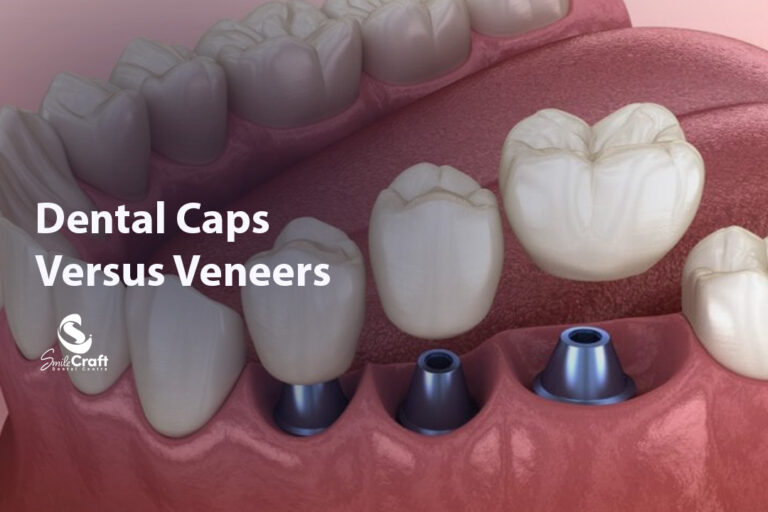
Gum recession can expose the margin of the veneer over time, creating a visible line where the restoration ends and the natural root surface begins. While this does not constitute a structural failure, it compromises the aesthetics that motivated the treatment in the first place and may eventually necessitate replacement with a longer veneer or a Dental Crown for full coverage.
Signs Your Veneers Need Replacing
Veneers do not fail overnight. There are progressive warning signs that, when recognized early, allow for planned replacement rather than emergency intervention:
- Visible darkening or a gray shadow at the margin where the veneer meets the tooth, indicating marginal leakage or cement breakdown
- A rough or chalky texture on the veneer surface that does not improve with professional polishing
- Sensitivity to cold, heat, or sweet stimuli on a previously comfortable veneered tooth, suggesting secondary decay beneath the restoration
- A hairline crack visible under direct light or transillumination, which will inevitably propagate under continued function
- Recession of the gum line exposing the upper edge of the veneer preparation, creating a visible step between porcelain and root surface
- A change in the way the veneered tooth contacts the opposing teeth during biting, indicating possible debonding or cement washout
- Chipping at the incisal edge that catches your lip or tongue
If you notice any of these signs, schedule an evaluation with your dentist. Early detection often allows a single veneer to be replaced individually without disturbing the adjacent restorations. Delaying assessment risks decay progression, further structural damage, and the potential need for more extensive treatment.
How to Extend the Life of Your Veneers
The difference between a veneer that lasts 10 years and one that lasts 20 comes down to two categories of protection: managing mechanical forces and maintaining impeccable hygiene.
Wear a Nightguard
Bruxism is the number one threat to veneer longevity. Clenching and grinding during sleep generate forces that can exceed 600 Newtons, far beyond what any ceramic is designed to withstand repeatedly. A custom-made occlusal splint (nightguard) distributes these forces evenly across the arch, preventing concentrated stress on individual veneers. If you have invested in Emax Veneers or a full Hollywood Smile, wearing a nightguard is not optional; it is an integral part of your treatment protocol. The cost of a nightguard is negligible compared to the cost of replacing fractured veneers prematurely.
Beyond nightguards, awareness of daytime clenching habits is equally important. Many patients unconsciously clench during periods of concentration or stress. Training yourself to rest your teeth apart with the tongue lightly touching the palate reduces cumulative stress on your veneers throughout the day.
Dietary Habits
What you eat and how you eat it significantly affects how long your veneers last. Hard foods such as whole nuts, ice cubes, hard candy, popcorn kernels, and crusty bread should never be bitten into directly with veneered front teeth. Cut or break hard foods into smaller pieces and chew them with your back teeth, where Dental Crowns or natural molars are designed to handle compressive forces.
Sticky foods like caramel, toffee, and chewy candy exert pulling forces on the veneer bond and should be minimized. Acidic foods and beverages, while not directly damaging to porcelain, can erode the exposed enamel and cement at veneer margins, creating vulnerability over time. Rinsing your mouth with water after consuming acidic drinks such as citrus juice, wine, or carbonated beverages is a simple protective habit.
Daily care should include a soft-bristled toothbrush, non-abrasive toothpaste, and thorough interproximal cleaning with dental floss or a water flosser. Highly abrasive whitening toothpastes can dull the polished surface of both porcelain and composite veneers over time, so they should be avoided. Professional cleaning and check-up appointments every six months allow your dentist to monitor margin integrity, gum health, and occlusal balance, catching potential issues before they become costly problems. This same maintenance philosophy applies to every type of dental restoration, from veneers and Composite Bonding to Dental Implants and All on 4 prosthetics.

FAQ
Do veneers last forever?
No dental restoration lasts forever, and veneers are no exception. However, with the right material, skilled placement, and diligent maintenance, porcelain veneers can function beautifully for 15 to 20 years or longer. Some documented cases of well-maintained feldspathic porcelain veneers have exceeded 25 years of clinical service. The key is to treat your veneers as a long-term investment that requires ongoing care rather than a permanent, maintenance-free solution.
What happens to the teeth under veneers after 10 years?
The teeth beneath your veneers remain alive and functional. They continue to receive blood supply and nerve innervation just as before. After 10 years, the teeth themselves are typically healthy provided that oral hygiene has been maintained and no secondary decay has developed at the margins.
The enamel that was removed during preparation does not regenerate, which means the tooth will always require a restoration of some kind, but the remaining tooth structure is stable and sound under a well-bonded veneer. Professional check-ups every six months include radiographic evaluation that allows your dentist to monitor the health of the tooth beneath the restoration.
Can porcelain veneers stain over time?
The porcelain surface of Emax veneers and other glass-ceramic restorations is highly resistant to stain absorption. Unlike composite resin, which has an organic matrix that absorbs pigment, the glazed ceramic surface repels coffee, tea, red wine, and tobacco staining for the life of the restoration.
However, the adhesive cement at the veneer margin and any exposed natural tooth structure adjacent to the veneer can stain, which may create a visible color discrepancy at the edges over many years. Regular professional cleaning removes surface deposits from these vulnerable zones. If you are considering Teeth Whitening alongside or before veneer placement, it is always advisable to whiten first so that the veneer shade is matched to your brightest natural tooth color.
Is it expensive to replace veneers?
Replacing veneers involves removing the old restoration, reassessing the underlying tooth, taking new impressions, and fabricating and bonding a new veneer. The cost is comparable to the original placement, though in some cases additional preparation or a crown upgrade may be needed if the tooth has changed over the years.
In the United States, replacing a single porcelain veneer costs determined individually while in the United Kingdom the range is determined individually per tooth. In Turkey, the same replacement can be performed for a fraction of these prices at internationally accredited clinics. At Clean Smiley Turkey, veneer replacement is handled with the same digital planning and material quality as the initial placement, ensuring that the new restoration matches or exceeds the original in fit and aesthetics.
Prices are for informational purposes only. Please consult your dentist or clinic for an exact quote.
Can a veneer pop off?
Veneer debonding is uncommon but possible. The most frequent causes are trauma to the tooth, biting into a very hard object, degradation of the adhesive cement over time, or an original bonding procedure that was compromised by moisture contamination. If a veneer does come off, keep it in a clean container and contact your dentist as soon as possible.
In many cases, the veneer can be rebonded to the tooth if it is intact and the tooth surface is undamaged. Do not attempt to glue a veneer back on yourself with household adhesive, as these products are toxic, create an improper bond, and can make professional rebonding more difficult.
What is the average lifespan of veneers applied in Turkey?
The lifespan of veneers applied in Turkey is determined by the same factors that govern veneer longevity anywhere in the world: material quality, clinician expertise, bonding technique, and patient maintenance. When premium materials such as Emax lithium disilicate are used by experienced cosmetic dentists following established digital design and bonding protocols, veneers placed in Turkey are expected to last 15 to 20 years, identical to the lifespan documented in European and American clinical studies.
The cost advantage of treatment in Turkey reflects lower operating costs and favorable exchange rates, not lower material quality or clinical standards. Tens of thousands of international patients receive veneers in Turkish clinics every year, and long-term patient satisfaction rates are consistently high across the dental tourism sector.
Conclusion
How long do veneers last is ultimately a question you answer through the choices you make: the material you select, the clinician you trust, and the daily habits you commit to after treatment. Porcelain veneers, particularly Emax lithium disilicate, deliver 15 to 20 years or more of color-stable, stain-resistant, natural-looking service when bonded correctly and maintained diligently. Composite veneers offer a more affordable and reversible option with a 5 to 8 year functional life. No-prep veneers fall between the two, trading some longevity for the preservation of untouched enamel.
Protecting your veneers with a nightguard, conservative dietary habits, daily flossing, alcohol-free mouthwash, and professional check-ups every six months is the formula that consistently separates patients who get two decades from their restorations from those who need premature replacement.
Your smile is your most visible investment, and it deserves both the best materials and the best ongoing care. To plan your veneer treatment or to discuss replacing aging restorations with the latest Emax technology, contact Clean Smiley Turkey. Our expert team in Antalya combines advanced digital smile design with world-class hospitality, ensuring that every step of your journey is as rewarding as the result. Request your free quote today and discover how far your investment can take you.