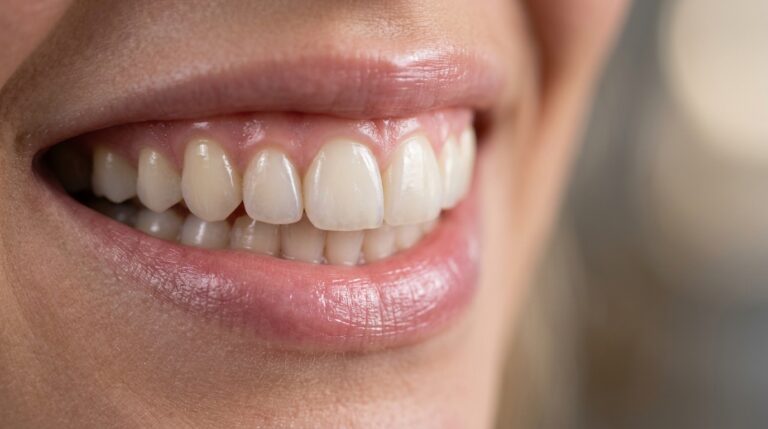
Palatal dentures — also called palate-covering upper dentures — are one of the most commonly worn full upper dentures. The big plastic plate that covers the roof of the mouth is what gives this kind of denture both its retention and its specific user experience. Patients arriving at our chair at Clean Smiley Turkey ask three questions about palatal dentures almost without exception. Does it work? Can I still taste food? How long until I forget it is there? This piece pulls together what real palatal denture users tell us at their follow-up visits.
If you are weighing a palatal denture as an upper-jaw solution — usually after losing many or all upper teeth — this is meant to give you a picture of the experience that goes beyond the first-week reviews online.
What a palatal denture actually is
A palatal denture is a full upper removable denture where the acrylic base covers most or all of the hard palate. The plate runs from behind the upper front teeth to just before the soft palate, sitting against the bone of the roof of the mouth. The visible row of teeth is supported by this base, and the suction created between the plate and the palate is what holds the denture in place during daily wear.
This is the traditional full upper denture design and has been used in dentistry for decades. It works because the palate provides a large, flat, stable surface for the suction seal. The trade-off is that this large plate also covers the sensory area where the tongue normally meets the palate during eating and speaking.
What palatal denture users say first
The most common feedback we hear in the first month of wear:
- “Food tastes different at first.” A real and consistent observation. The roof of the mouth contributes to flavour perception more than most people realise. The first 2-3 weeks taste subdued.
- “My speech feels thick.” The plate changes where the tongue meets the palate during certain sounds — “t,” “d,” “n,” “l.” Speech adapts within 2-4 weeks for most patients.
- “Hot food can surprise me.” The plate insulates the palate from temperature. Patients sometimes burn their tongue or lip in the first weeks before recalibrating with hot drinks.
- “It feels bulky in the front of the mouth.” The plate ends just behind the front teeth, where the tongue sits during rest. The first week the tongue notices this constantly. By week two it stops registering.
By week 4-6, most palatal denture users tell us the major adjustments are behind them. The taste returns. The speech feels normal. The plate becomes part of the routine.
The taste question — what really happens
The most asked-about element of palatal denture wear is taste. The honest answer from our follow-up conversations:
The palate covers some of the taste-related sensory area, particularly for hot temperature and texture perception. Most flavour comes from the tongue itself, which is uncovered. So the change is real but partial — patients describe food as “less intense for a few weeks” rather than “tasteless.” Sweet, salty, sour and bitter perception remain intact because they are tongue-mediated.
By month 2-3 most patients report that taste has normalised to what they expect. The brain adapts to the new sensory map. Patients who tell us at month 6 that taste is still significantly muted are uncommon and usually have a fit issue with the denture that warrants checking — not a permanent taste change.
For patients who prioritise taste sensation above stability — typically those still active with food enthusiasm, cooking, or wine — the alternative is an implant-supported palateless denture or a fixed implant bridge. Both leave the palate uncovered and preserve full sensory access.
Stability and retention: what users describe
A well-fitted palatal denture relies on the suction seal between the plate and the palate. When this suction is good, the denture stays in place during eating, talking and laughing. When the seal is compromised — by bone shrinkage over years, by a poor initial fit, or by inflammation under the plate — the denture starts to feel loose.
Real-user feedback on retention falls into a consistent pattern:
- Day 1: The seal is tight, the denture feels firm. Some patients tell us “it stays in better than I expected.”
- Months 1-3: Small adjustments at follow-up visits fine-tune the fit. Patients learn to trust the seal during eating.
- Years 1-2: The fit holds for most patients with normal bone health. Maintenance is routine.
- Years 3-5: Bone in the upper ridge gradually shrinks, the seal loosens, the denture starts to move slightly during certain motions. Some patients add denture adhesive to maintain the seal.
- Years 5+: Relining (adding new acrylic to the inside surface) or a new denture is usually needed to restore the original fit.
This timeline is similar to traditional removable upper dentures in general. The palate-covering design generally gives slightly better long-term retention than palateless versions without implants.
Eating with a palatal denture
Eating is the topic that comes up most often after taste. The realistic timeline:
Days 1-7: Soft food only. Yoghurt, blended soup, mashed potato, soft eggs. Patients try to chew normally and find the denture moves slightly, which is normal in the adjustment week.
Weeks 2-4: Medium-textured foods become possible. Cooked vegetables, soft bread, well-cooked pasta. Chewing on both sides becomes a habit because one-sided chewing levers the denture.
Months 2-3: Most foods are accessible. Some patients tell us they still avoid very crunchy raw vegetables (apples, raw carrots) or very chewy items (tough steak, sticky caramels). Most patients adapt by cutting these foods into smaller pieces rather than avoiding them entirely.
The single piece of practical advice patients say made the biggest difference: cut everything into smaller pieces during the first month. By month two, most users do this less consciously but the habit sticks.
Cleaning and care: what users do daily
Real-user cleaning routines for palatal dentures look almost identical to other removable dentures:
- Rinse after each meal. Quick water rinse to remove food debris.
- Brush twice daily. Soft denture brush with non-abrasive cleaner. Regular toothpaste is too abrasive.
- Overnight soak. In water or denture-cleaning solution. Drying the denture causes warping over time.
- Brush the palate, gums and tongue. The covered palate still needs daily cleaning when the denture is out. Patients who skip this step develop a yeast-related condition under the plate over months.
- Professional check every 6-12 months. Fit changes slowly; a routine visit catches it.
Patients who developed this routine in the first month rarely had issues with denture stomatitis (the inflamed palate condition that can develop under unsanitary plates). Patients who skipped night removal or underplate brushing had this as the most common complaint at follow-up.
When palatal denture users say it was the right choice
At the six-month and one-year follow-ups, the patients most settled with their palatal denture choice tend to share specific factors:
- They had a stable upper ridge with healthy bone. A good foundation produces a good seal.
- They were not heavy hot-food enthusiasts. The temperature insulation of the palate plate matters less if hot foods are not central to daily eating.
- They valued cost and reversibility over the implant alternative. A traditional palatal denture is the most affordable upper-jaw replacement and can later be upgraded to an implant-supported version if the patient changes their mind.
- They built the cleaning routine consistently. Daily care prevented the most common long-term complaints.
When palatal denture users wish they had chosen differently
Honesty matters here. Patients who told us at one and two years that the palatal denture was not the right choice for them fell into specific categories:
- Heavy gag reflex patients. The plate, especially the back edge of the palate-covering portion, triggers gag in some patients. Lighter or palateless options are better for this group.
- Food enthusiasts who missed taste intensity. Even after adaptation, a small number of patients reported that the muted taste experience never fully returned to their pre-denture baseline. For this group, an implant-supported palateless upper is usually a better fit.
- Patients with rapid bone resorption. Those who developed loose-fit issues within the first 2-3 years and needed frequent relining. An implant-stabilised version reduces this maintenance burden.
For more on alternative upper-jaw solutions, our overview of All-on-4 dental implants covers the fully fixed option, and our piece on snap-on dentures covers the implant-retained removable middle ground.
What international patients in Antalya tell us
For international patients, palatal dentures are sometimes the most realistic choice for a single-trip solution because no implants are needed. A new palatal denture typically requires 4-6 appointments over 2-3 weeks for impression, wax try-in, fit and adjustments.
The reviews from this group focus on three things. Trip length matters — patients who tried to compress this into a week often left without the final adjustments and reported worse long-term comfort. The maintenance plan after returning home is straightforward — most local dentists can handle fit checks and minor relining. And the upgrade conversation comes up later — patients who chose a palatal denture as a first-line solution often ask about the implant-retained version at the 1-2 year mark once they have a feel for what improvement they want.
What patients wish they had known about palatal dentures
“I wish I had been told the taste change was temporary.” The first weeks of muted flavour can be discouraging. Knowing it normalises within 2-3 months changes the experience completely.
“I wish I had practised speaking out loud from day one.” Speech adapts faster with active practice. Reading aloud for 5-10 minutes daily during the first two weeks is the most common piece of advice from patients who adjusted easily.
“I wish I had taken the cleaning routine seriously from day one.” Patients who developed denture stomatitis at the 6-month or 1-year mark all wished they had paid more attention to night removal and underplate brushing.
“I wish I had asked about the implant upgrade path from day one.” Knowing the long-term map removed the feeling of being locked into a single choice.
Frequently asked questions about palatal denture user reviews
How long does it take to adjust to a palatal denture?
Most patients describe the first 2-4 weeks as the steepest adjustment for speech, taste and the feel of the plate. By weeks 4-6 most users eat most foods comfortably and speak normally. By months 2-3 the experience feels essentially routine.
Will I lose my sense of taste with a palatal denture?
Most taste comes from the tongue, which is uncovered. The palate plate covers some of the sensory area for hot temperature and texture perception, producing a real but partial change. Most patients describe taste as “muted for 2-3 weeks” rather than “lost,” with full normalisation by month 2-3.
Can I eat normally with a palatal denture?
Most patients can eat most foods by weeks 4-6. Soft and medium textures come first. Crunchy raw vegetables and very chewy or sticky items need adaptations or smaller pieces. Cutting food into smaller pieces and chewing on both sides become common habits.
How long does a palatal denture last?
Most palatal dentures hold their fit for 5-7 years with proper care. Over time, gum ridge shrinkage loosens the seal, requiring relining (adding new acrylic to the inside surface) or eventual replacement. Yearly check-ups catch fit changes early.
What is denture stomatitis and how do I prevent it?
Denture stomatitis is an inflamed, sometimes red appearance under the denture caused by yeast and bacteria accumulating under the plate. Prevention is daily — remove the denture overnight, brush the palate and gums while the denture is out, clean the denture daily, and have a professional check every 6 months.
Can I have a palatal denture made in Antalya as an international patient?
Yes. The process typically needs 4-6 appointments over 2-3 weeks for impression, wax try-in, fit and adjustments. International patients usually plan either a longer single stay or two shorter trips, with the final adjustments in the second visit. Future upgrades to implant-retained versions are part of the same conversation.
How we approach palatal dentures in our clinic
Our approach starts with imaging — a panoramic X-ray and clinical examination of the upper ridge to confirm bone volume and gum health. The treatment plan lists the denture type, the appointment schedule, the expected adjustment timeline, and the long-term care plan. For patients considering both palatal denture and implant options, we present both in writing so the choice can be made with full information.
If you are weighing a palatal denture or want a second opinion on an existing fit issue, you can reach us through the contact form or WhatsApp. We will look at the case and walk through realistic options before any treatment decision.