Last updated: October 13, 2026
Is the dentist responsible for a failed crown? Sometimes. The dentist is usually accountable when the failure comes from the work itself, such as a poor fit, an open margin, a high bite or decay left under the crown, while new decay, grinding, an accident, gum disease and ordinary wear can make even a well-made crown fail.
Is the dentist responsible for a failed crown, or did something else cause it? A fair answer needs X-rays, a bite check and a close look at the edge of the crown. At Clean Smiley Turkey in Antalya, a failed crown is assessed that way, and this guide explains how to tell the causes apart and what to do next.
Is the dentist responsible for a failed crown?
The dentist is responsible for a failed crown when the failure traces back to how the tooth was prepared, how the crown was made or fitted, or a problem that should have been treated first. When the cause is new decay, grinding, trauma, gum disease or years of normal use, the failure usually is not a sign of poor work.
Many cases sit in between. A slightly weak margin may meet poor cleaning at the gum line, and a well-chosen crown can still crack under grinding nobody knew about. Age matters too: a crown that gives out after a decade is often simply worn out, while one that fails within a year or two deserves a closer look.

What are the most common crown failure causes?
The most common crown failure causes are new decay at the edge of the crown, the crown coming loose, chipped or cracked ceramic, nerve problems in the tooth and gum disease around it. Each of these can start with the dental work, with factors outside the dentist’s control, or with both at once.
Causes linked to the dentist’s work
Workmanship problems usually show up as a fit or design issue. An open margin, a gap where the crown meets the tooth, lets bacteria in and can lead to decay underneath. A preparation that is too short or too tapered gives the crown little grip, so it keeps coming off. Too little reduction leaves the ceramic thin, a high bite adds force with every chew, and decay left under the crown or cement trapped under the gum cause trouble later.
Lab and material factors
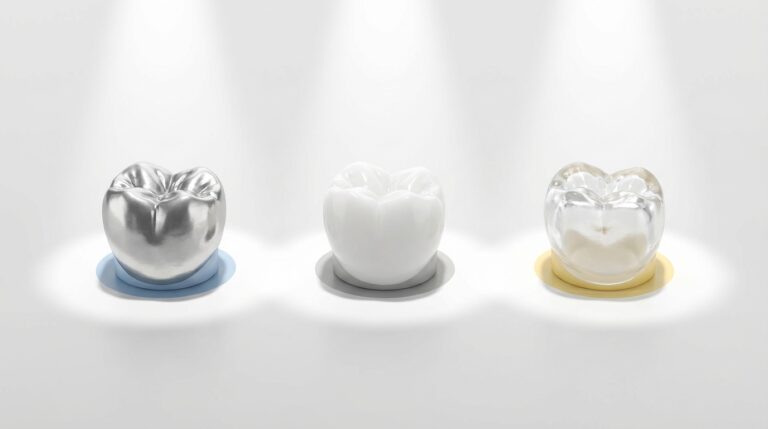
Errors can also enter at the laboratory or milling stage, such as a poor internal fit or porcelain layered too thin. Material choice is still the dentist’s call, so a fragile ceramic on a known grinder’s molar is part of the clinical picture. True material reactions are uncommon, and our guide on whether you could be allergic to a zirconia crown explains how they differ from gum irritation.
Causes outside the dentist’s control
Many failures begin after a crown has been fitted well. Plaque at the gum line, frequent sugary snacks and a dry mouth cause new decay at the margin. Grinding, biting ice or pens, a fall or a sports injury can chip or break a sound crown. Gum disease can expose the margin and loosen the tooth, and if a crowned tooth starts to move, our article on how to stabilize a loose tooth covers the next steps. After many years, cement slowly washes out and gums recede, which is ordinary wear.
| Problem | Points more to the dental work | Points more to other causes |
|---|---|---|
| Crown comes off | Within weeks or months, or again soon after recementing, with no decay inside | After years, with decay inside, or after biting something sticky or hard |
| Decay under the crown | Gap at the margin on early X-rays, or decay left before the crown went on | New decay at a margin that had sealed well |
| Chipped or cracked crown | Thin ceramic, a high bite, or a fragile material for a known grinder | Trauma, hard objects, or grinding without the advised night guard |
| Sore, bleeding gum | Overhanging edge, trapped cement, or an open contact that traps food | Plaque build-up and gum disease |
| Tooth needs a root canal | Deep decay missed beforehand, or no warning that it could happen | A recognized risk of crowning a heavily filled tooth, even with sound work |
How can you tell whether the dental work caused the failure?
You can usually tell whether the dental work caused the failure only after an examination with X-rays and a bite check, ideally before anything is removed or redone. Timing, the condition of the tooth under the crown and the pattern of the problem are the three clues that point one way or the other.
Timing narrows things down. A high bite or poor fit usually shows within weeks, an open margin may take a year or two to turn into decay, and wear and recession take many years, although a slowly leaking margin can also cause trouble late.
The tooth itself adds detail: a gap at the margin, decay inside a crown that has come off, cracks, or a prepared tooth too short to hold a crown. When we assess a failed crown at Clean Smiley Turkey, new X-rays are compared with earlier ones, so ask your clinic for copies of the images from the time the crown was fitted.
What does “standard of care” mean when a crown fails?
Standard of care means the level of care a reasonably competent dentist would provide in similar circumstances, using the knowledge and methods accepted when the work was done. It does not mean perfection, so a failed crown is not automatically proof that the standard was missed. The real question is whether the work and the advice given were reasonable at the time.
Advice counts. Before a crown, patients are normally told about known risks, such as the nerve later needing root canal treatment, porcelain chipping, or grinding raising the risk of fracture. Whether grinding was checked and a night guard suggested can matter later.
Standards and complaint routes differ by country. Most countries have a dental regulator or licensing body, and some have patient advice services, but procedures and time limits vary, and treatment abroad can involve more than one country’s rules. Nothing here is legal advice, so take legal questions to a lawyer qualified in the relevant country.
What to do if a crown fails?
If a crown fails, keep the crown, protect the tooth, record what happened and ask the clinic that placed it for an examination soon. Good notes keep the later conversation calm and help a second dentist if you need one.
Do not glue the crown back with superglue, because a crown seated wrongly changes your bite and complicates proper recementing. If the tooth is painful, swollen or broken, get seen first and deal with paperwork later.
| Step | What to do | What to document |
|---|---|---|
| 1. Keep the crown | Rinse, dry and store it in a clean container | Date it came off, whole or broken |
| 2. Protect the tooth | Chew on the other side and keep the area clean | Pain, swelling or bad taste, and when it started |
| 3. Take photos | Photograph the tooth and the inside of the crown | Clear, dated photos from several angles |
| 4. Write a timeline | Note when the crown was fitted and any adjustments | Dates of visits, symptoms and conversations |
| 5. Gather records | Ask for copies of X-rays, scans and treatment notes | Crown material, cement and aftercare advice given |
| 6. Contact the clinic | Call, follow up in writing and ask for an examination | Who you spoke to, the diagnosis and the options offered |
What does it mean if a crown came off after a year?
A crown that came off after a year most often points to a retention problem, cement breaking down, or new decay softening the tooth under its edge. Retention problems, such as a short or tapered preparation, lean toward the original work, while decay from plaque, grinding or very sticky food can loosen a crown that fitted well.
If the crown is undamaged and clean inside, it can often be cemented back once the dentist finds why it let go. Broken tooth or soft, dark decay inside means new X-rays and a bigger repair. A crown that comes off again after recementing needs a different plan.
Two look-alike situations are different. A temporary crown is held with weaker cement on purpose, as our guide on how long temporary dental crowns last explains. A loose implant crown is often a screw or abutment issue, and the symptoms of a loose dental implant crown differ from those of a crown on a natural tooth.
How do you raise a failed crown with your clinic?
Raise a failed crown with your clinic by describing what happened, sharing your photos and timeline, and asking for an examination before anyone decides who is at fault. A calm, factual message usually gets a more useful answer than an angry one and keeps the focus on the tooth.
Write as well as call, and take these questions to the appointment:
- What do the X-rays and the exam show as the most likely cause?
- Was there a gap at the margin, a high bite or decay under the crown?
- Can the crown be recemented, or does it need to be remade?
- What would change in a new crown?
- Do I show signs of grinding, and would a night guard help?
- What does your written aftercare and follow-up policy say?
Be open about your own habits, since grinding or missed check-ups help explain the cause without excusing a problem with the work. Ask for copies of your X-rays and notes.
When is a second opinion worth it?
A second opinion is worth it when the explanation you received does not match what you see or feel, when a crown keeps coming off, when pain continues after adjustments, or before you agree to remove a crown or tooth. An independent dentist can read your X-rays without any stake in the earlier work.
Bring your photos, timeline, X-rays and notes, and ask for the findings in writing. If possible, have the tooth photographed and X-rayed before the old crown is removed, because the original evidence goes with it. Urgent pain or swelling still comes first.
Is the dentist responsible for a failed root canal or filling?
The dentist is responsible for a failed root canal or filling when the treatment fell clearly short of reasonable practice, not simply because it failed. Both have known failure rates even with good technique, so the question is the same as with crowns: what caused the failure, and could it reasonably have been avoided?
Failed root canal
Root canal treatment keeps most teeth, but some fail despite careful work because of complex anatomy, a hidden crack or bacteria leaking in while the final crown is delayed. Signs that lean toward the treatment itself include a missed canal later seen on 3D imaging, a root filling well short of the root end, or a broken instrument never mentioned to you.
Failed filling
A filling lost within days or weeks often points to a bonding or technique issue, such as moisture during placement. One that fails after several years more often reflects new decay, wear, grinding or a tooth cracking around a large filling.
How is a failed crown repaired or replaced?
A failed crown is repaired or replaced according to its cause and the state of the tooth underneath. Options range from recementing or adjusting the bite to a new crown, a core or post build-up, and in serious cases removing the tooth.
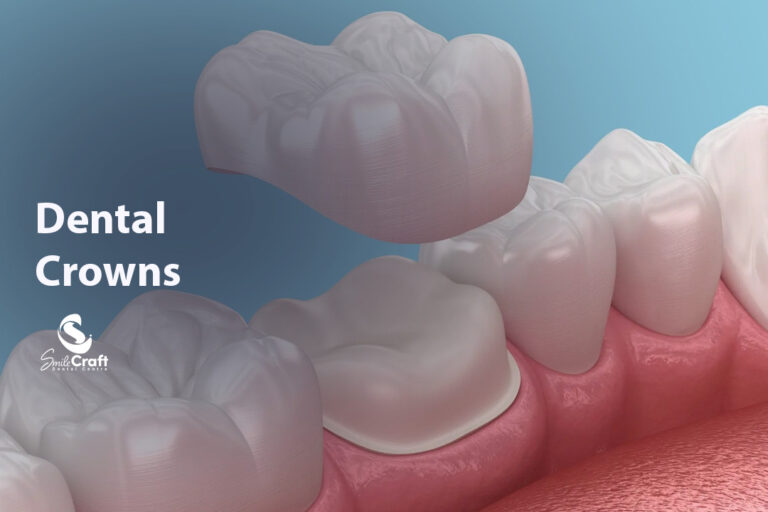
Small chips can sometimes be polished or repaired with composite resin. A new crown is made when the fit, margin or bite was wrong, or when decay must be removed. A core build-up or a post rebuilds a weak tooth, and crown lengthening, a minor gum procedure, can expose more tooth. Our page on dental crowns describes how a new one is made.
If the tooth cannot be kept, usually because of a deep root crack or decay far below the gum, an implant or bridge is discussed. Whatever the plan, ask how it deals with the original cause.
Frequently Asked Questions
How long should a dental crown last?
Many crowns last 10 to 15 years or longer with good care. Lifespan depends on the material, the bite, grinding, daily cleaning and how much natural tooth supports the crown. Early failures, within the first year or two, are more likely to involve fit, design or a problem underneath.
Why does my crown hurt when I bite down?
Pain on biting can mean the crown sits too high, the ligament around the root is inflamed, the nerve is irritated or the tooth has a crack. A high bite is usually simple to adjust. Pain that lingers, throbs or wakes you at night needs prompt examination, as the tooth may need root canal treatment.
Can decay under a crown be seen on an X-ray?
X-rays often show decay along the side edges of a crown, especially between teeth, but metal and zirconia can hide areas directly underneath. Dentists combine X-rays with probing the margin and checking for soft spots or a dark line. Sometimes the full extent of decay only becomes clear once the crown is removed.
Is a dark line at the gum around my crown a sign of failure?
Not always. On a metal-ceramic crown, a gray line often appears when the gum recedes and exposes the metal edge or the root, which is a cosmetic change rather than a failure. A dark line can also be decay at the margin, though, so a dentist should check it with a probe and an X-ray.
Should I go back to the same dentist after a crown fails?
Going back first is usually sensible, because the original dentist has your records and knows how the tooth was prepared. A high bite or a crown that needs recementing is often handled quickly. If trust has broken down or the explanation does not match the findings, seeing another dentist is reasonable.
What if my crown was placed abroad and fails after I return home?
Contact the clinic that placed it, send your photos, timeline and any new X-rays, and ask what it recommends. A local dentist can handle urgent care meanwhile. Ask for the clinic’s written aftercare and follow-up policy so you know what it says about problems after you travel.
A failed crown is frustrating, but the way forward is the same whoever is responsible: find the cause, treat the tooth and change what led to the failure. At Clean Smiley Turkey in Antalya, the options are explained after new X-rays and a bite check, before any work begins. See a dentist promptly if the tooth hurts when you bite, the gum swells or bleeds, a bad taste appears at its edge, or the crown comes off with the tooth broken underneath.
This article is for general information and does not replace a dental examination or personal medical advice.
Related Articles